Summary
Opposition leaders and fact-checkers are pointing out that the Bharatiya Janata Party (BJP) previously opposed the Women’s Reservation Bill. This comes after Prime Minister Narendra Modi blamed other political parties for delaying the law. Critics have shared old articles and social media posts from current BJP leaders that show they were once against the idea of reserved seats for women in politics. These reminders highlight a long history of political disagreement over the bill, which was finally officially announced on April 16, 2026.
Main Impact
The main impact of these revelations is a challenge to the government's current narrative. While the Prime Minister is presenting his party as the primary force behind women's empowerment, historical records suggest a different story. This has led to a public debate about political consistency. The sudden deletion of old tweets by high-ranking party members suggests that the party is trying to clean up its past image to match its current political goals. This back-and-forth is making the implementation of the law a major point of conflict between the government and the opposition.
Key Details
What Happened
Recently, social media users and opposition MPs began sharing old evidence of the BJP’s stance on women's reservation. Md Zubair, a well-known fact-checker, pointed out that several BJP leaders have been deleting their old tweets. For example, Amit Malviya, the head of the BJP’s IT cell, reportedly removed posts that were critical of the reservation bill. Similarly, MP Tejasvi Surya deleted a 2014 post where he expressed worry about the day women’s reservation would become a reality. These actions happened just as the Prime Minister began publicly criticizing other parties for the same issue.
Important Numbers and Facts
The history of the bill is filled with specific dates and events that critics are now bringing to light. In 1996, the BJP opposed the bill because it did not include a separate quota for Other Backward Classes (OBC). In 2004, when the BJP-led alliance was in power, they reportedly turned down an offer from the Congress party to pass the bill together. In 2010, although the bill passed in the Rajya Sabha, it stopped in the Lok Sabha because of further opposition. Most recently, the Nari Shakti Vandan Adhiniyam was passed in September 2023, but it took 30 months—until April 2026—for the government to officially notify it.
Background and Context
The Women’s Reservation Bill is a law designed to set aside 33 percent of seats in the Lok Sabha and state legislative assemblies for women. The goal is to ensure that women have a stronger voice in making laws for the country. For decades, this bill has been a topic of intense debate in India. Some parties wanted it passed immediately, while others argued it needed special sub-quotas for women from minority or lower-caste groups. Because of these disagreements, the bill remained stuck for nearly thirty years. Now that it is moving forward, every political party wants to take credit for it while blaming others for the long wait.
Public or Industry Reaction
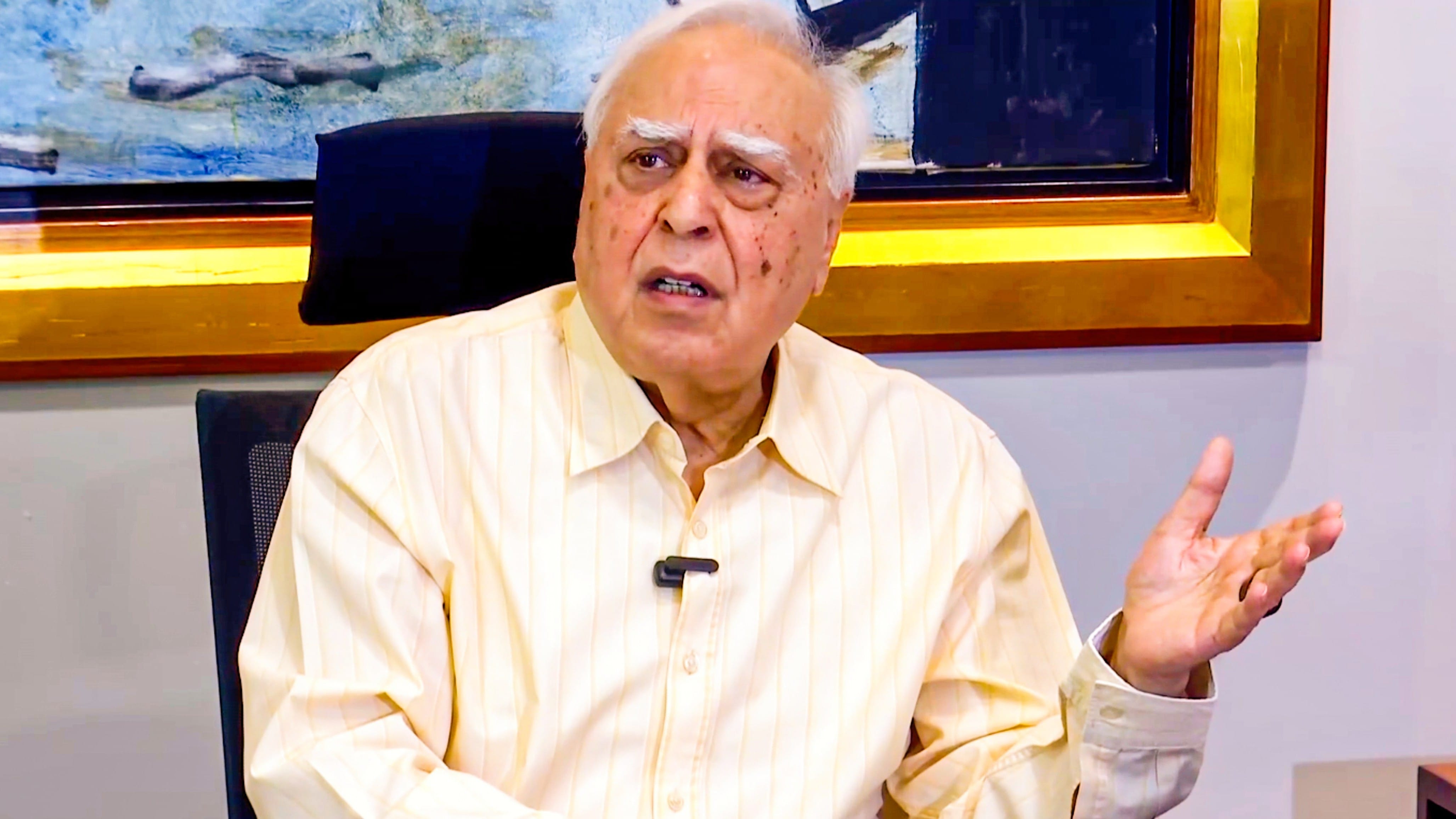
The reaction from opposition leaders has been sharp. Rajya Sabha MP Kapil Sibal reminded the public that the BJP had multiple chances to pass the bill in the past but chose not to. Other Congress leaders have called the Prime Minister’s recent claims "hypocrisy." They argue that if the government were truly serious, they would not have waited 30 months after the bill passed in 2023 to notify it. Some leaders have even challenged the Prime Minister to implement the reservation immediately in the current Parliament session rather than waiting for future elections or census reports.
What This Means Going Forward
Moving forward, the focus will be on when the reservation actually takes effect. Even though the law has been notified, there are still steps to complete, such as a new census and the redrawing of voting districts. The opposition will likely continue to use the BJP's past statements to question their current motives. For the public, the main question is whether this law will truly change the face of Indian politics or if it will remain a tool for political campaigning. The upcoming elections will likely see both sides using this issue to win the support of women voters.
Final Take
The debate over the Women’s Reservation Bill shows how political parties often change their views over time. While the law is a major step for gender equality in India, the history behind it is complicated. By looking at old records, it becomes clear that almost every major party has played a role in both supporting and delaying this change. The real test will be how quickly and fairly the reservation is put into practice for the benefit of the country.
Frequently Asked Questions
What is the Women’s Reservation Bill?
It is a law that reserves one-third of the seats in India's national and state legislatures for women to increase their participation in government.
Why are people talking about the BJP's past stance?
Critics are sharing old articles and tweets to show that the BJP previously opposed or delayed the bill, contradicting recent claims made by party leaders.
When will the reservation actually start?
Although the law was notified in April 2026, it is expected to be implemented after the next census and the process of redrawing constituency boundaries is finished.