
Summary
Prime Minister Narendra Modi has issued a clear directive to his cabinet ministers to challenge the opposition on their history regarding women's rights. He stated that rival political parties made a "big mistake" by not supporting the women's reservation bill in the past. The Prime Minister wants his team to highlight what he calls an "anti-women" stance held by the opposition. This move comes as the government prepares to put the new reservation laws into effect by the year 2029.
Main Impact
This directive marks a shift in how the government plans to talk to voters about gender equality. By focusing on the past actions of the opposition, the ruling party is trying to show that they are the true supporters of women in politics. This strategy could change how people view the upcoming elections. It forces the opposition to defend their previous voting records and explains why certain laws took so long to pass. The main goal is to build a strong connection with female voters, who are becoming a very important group in Indian elections.
Key Details
What Happened
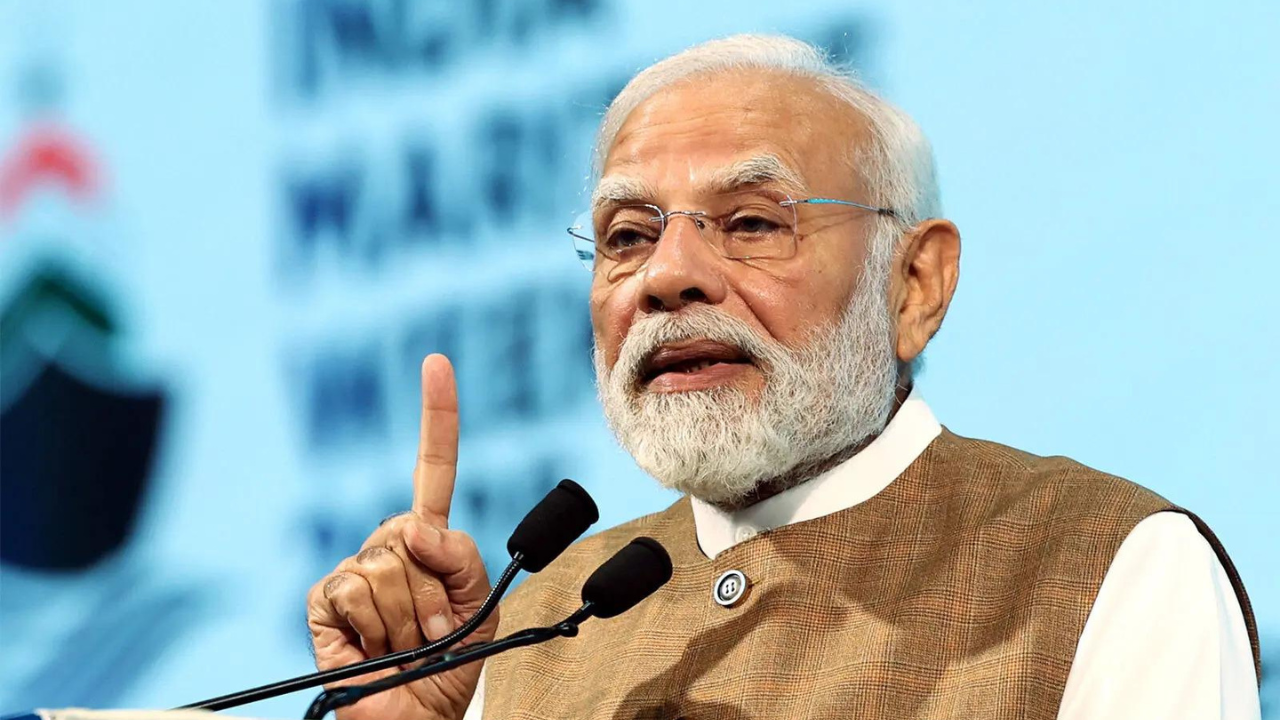
During a recent meeting with his ministers, Prime Minister Modi spoke about the Women's Reservation Bill, also known as the Nari Shakti Vandan Adhiniyam. He told his ministers that the opposition is now trying to hide their past failures. He claimed that when the bill was brought up in the Lok Sabha years ago, the opposition did not give it the support it needed. Now that the bill has finally passed, the Prime Minister believes the opposition is trying to change the story to make themselves look better. He told his ministers to go out and tell the public the truth about who really supported the law.
Important Numbers and Facts
The Women's Reservation Bill aims to set aside 33 percent of seats in the Lok Sabha and state assemblies for women. This is a major change for the country's political system. While the bill has been passed by Parliament, it will not start right away. The government has set a target for the year 2029 to fully implement these changes. This delay is because the government first needs to complete a national census and a process called delimitation. Delimitation is when the government redraws the boundaries of voting areas to make sure they are fair based on the current population.
Background and Context
The fight for women's reservation in India has been going on for nearly thirty years. Many different governments tried to pass this law in the past, but they often failed because of a lack of agreement among political parties. Some parties wanted special quotas within the reservation for specific groups, which led to many arguments and delays. In 2023, the current government finally passed the bill with a large majority. However, the opposition has criticized the government for the long wait until 2029. They argue that the reservation should start immediately. The Prime Minister’s recent comments are a response to this criticism, as he points out that the opposition had many chances to pass the law in previous decades but did not do so.
Public or Industry Reaction
The reaction to the Prime Minister's comments has been strong. Supporters of the government say it is fair to remind the public about the history of the bill. They believe that the opposition only supports the bill now because it is popular with voters. On the other side, opposition leaders say the government is using this issue to distract people from other problems. They claim they have always supported women's rights but wanted the law to be more inclusive of women from all backgrounds. Women's rights groups have generally welcomed the passing of the bill but remain concerned about the long timeline for it to actually start.
What This Means Going Forward
In the coming months, we can expect to see more political advertisements and speeches focused on this topic. Ministers will likely use social media and public rallies to share stories of how the opposition blocked the bill in the past. This will be a key part of their campaign strategy. For the public, the focus will remain on the 2029 deadline. People will be watching to see if the government follows through on the census and the redrawing of voting boundaries. If these steps are delayed, it could lead to more political tension. The success of this strategy will depend on whether voters believe the government's version of history or the opposition's current promises.
Final Take
The debate over women's reservation is no longer just about passing a law; it is now a battle over which party truly cares about gender equality. By telling his ministers to expose the opposition, Prime Minister Modi is making sure that the history of the bill stays in the minds of the voters. This move shows that the government is ready to use its legislative wins as a powerful tool in the next election cycle. It highlights a clear plan to win the trust of women across the country by pointing out the mistakes of the past.
Frequently Asked Questions
What is the Women's Reservation Bill?
It is a law that reserves one-third of the seats in the Indian Parliament and state assemblies for women to ensure they have a bigger voice in making laws.
Why will the reservation only start in 2029?
The law requires a new census and a redrawing of voting boundaries (delimitation) to be finished first. These tasks take several years to complete accurately.
Why is the Prime Minister criticizing the opposition now?
He believes the opposition parties are trying to take credit for a cause they previously blocked, and he wants his ministers to remind voters of the opposition's past actions.



