
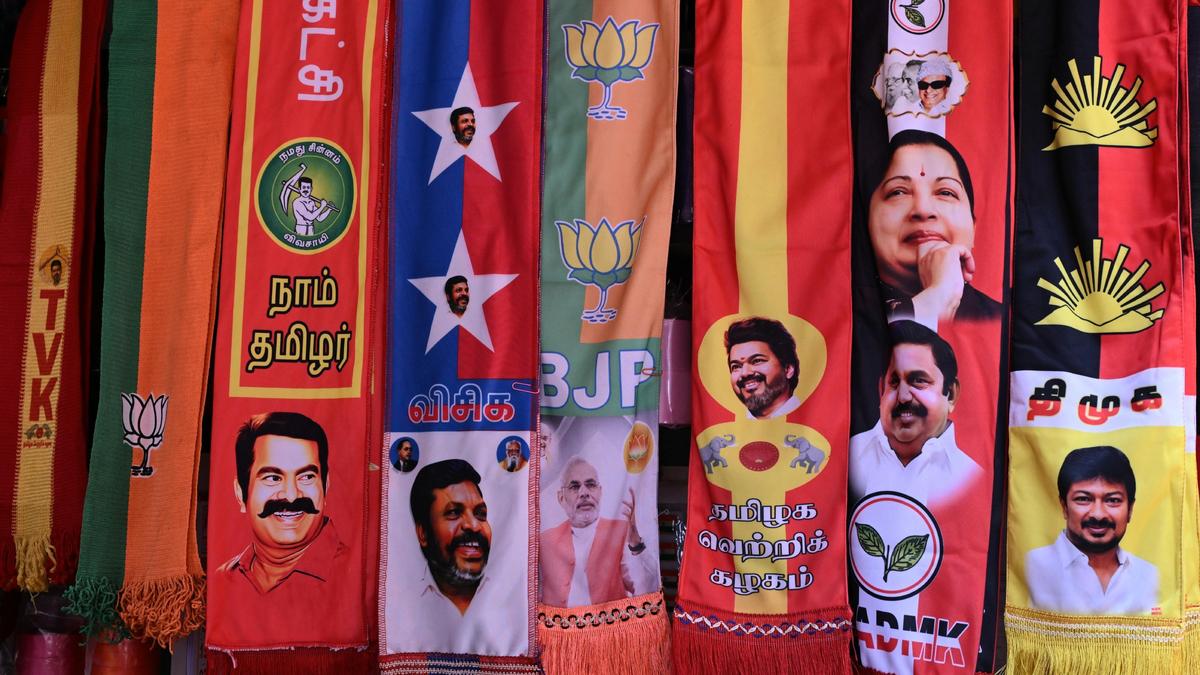
Summary
The long and loud campaign for the Tamil Nadu 2026 Assembly elections is officially coming to an end. At 6 p.m. on Tuesday, April 21, all public political activities must stop across the entire state. This deadline marks the beginning of a quiet period designed to give voters time to think before they cast their ballots. It is a major step in the election process that ensures the final hours before voting are peaceful and free from outside pressure.
Main Impact
The most immediate effect of this deadline is the "silence period." Once the clock strikes 6 p.m., all forms of public campaigning are banned. This includes large rallies, street corner meetings, and the use of loudspeakers that have filled the air for weeks. The goal is to prevent any last-minute attempts to influence voters through loud noise or large crowds. It also allows the local police and election officials to focus entirely on security for the polling booths.
Key Details
What Happened
The Election Commission has ordered that the "poll bugle" must fall silent 48 hours before the voting ends. This is a standard rule in Indian elections. As part of this rule, every political worker, party member, or campaigner who is not a registered voter in a specific area must leave that area immediately. They are not allowed to stay in hotels, lodges, or community halls within the constituency boundaries after the deadline passes.
Important Numbers and Facts
The rules are very strict to ensure a fair fight. Here are the key facts regarding the shutdown:
- Deadline: 6 p.m. on Tuesday, April 21, 2026.
- The 48-Hour Rule: No public meetings or processions are allowed during the 48 hours leading up to the end of the polls.
- Outsider Ban: Any political functionary who does not live in the district must exit the area to prevent illegal campaigning.
- Monitoring: Police will check marriage halls, guest houses, and hotels to make sure no "outsiders" are hiding there.
Background and Context
Tamil Nadu is known for its intense political battles. In the 2026 elections, several major parties are competing for power, making the race very close in many areas. The silence period is important because it stops the "noise" of the campaign. In the past, the final hours before an election were often filled with tension. By clearing out non-voters and stopping the music and speeches, the government hopes to reduce the risk of fights between rival party workers. This period is also meant to stop the illegal distribution of money or gifts, which often happens under the cover of large campaign events.
Public or Industry Reaction
Many citizens welcome the silence. After weeks of loud speakers and blocked roads, the break gives the public some peace. However, political parties are working extra hard in the final hours before the 6 p.m. cutoff. Candidates are rushing to finish their last "walk-throughs" in busy markets and residential streets. Social media teams are also busy, as the rules for online campaigning can sometimes be harder to enforce than physical rallies. Election observers are keeping a close eye on digital platforms to ensure no one breaks the spirit of the law.
What This Means Going Forward
Once the campaign stops, the focus shifts to the polling stations. Thousands of electronic voting machines (EVMs) are being moved to secure locations. Security forces will be stationed at every booth to make sure people can vote without fear. For the candidates, the work is mostly over, and they must now wait for the people to decide. If any party worker is caught campaigning after the deadline, they could face heavy fines or even jail time. This strict enforcement helps maintain the integrity of the democratic process in Tamil Nadu.
Final Take
The end of the campaign is a symbolic moment that hands the power back to the common person. While the politicians have had their say for months, the next few days belong only to the voters. The silence across the state is not just a legal requirement; it is a chance for the public to make a calm and clear choice for the future of their state. All eyes are now on the polling booths as Tamil Nadu prepares for a historic election day.
Frequently Asked Questions
What is the "silence period" in an election?
It is a 48-hour window before the end of voting when all public campaigning, rallies, and loud speeches must stop. It gives voters a quiet time to make their final decision.
Why do political workers have to leave the area?
People who are not local voters must leave to prevent them from influencing the local population or causing trouble. This ensures that only the actual residents of the area participate in the final hours.
Can candidates still talk to voters privately?
While large public meetings and loudspeakers are banned, candidates can sometimes perform small door-to-door visits, but even these are strictly monitored to ensure no laws are broken or crowds are formed.



