Summary
A major plan to change how women’s seats are reserved in India’s parliament has failed to pass in the Lok Sabha. Opposition leader Rahul Gandhi called the defeat a victory for the country’s laws and the Constitution. He argued that the government was trying to use the idea of helping women as a cover to change how voting works in India. The bill did not get enough votes to move forward, which means the government’s current plan for women’s reservation is on hold.
Main Impact
The failure of this bill stops a big change to India’s voting system. The government wanted to link women’s seats to a process called delimitation, which involves redrawing the maps of voting areas. By stopping this bill, the opposition has prevented the government from changing the number of seats in parliament and how they are divided. This decision keeps the current rules in place and forces the government to rethink how it will give women more power in politics.
Key Details
What Happened
The government brought a new bill to the Lok Sabha to change the Constitution. This bill was supposed to help start a 33 percent reservation for women in Parliament and state assemblies. However, the bill included extra rules. It said that the reservation could only happen after the government redrew the boundaries of voting areas across the country. It also suggested using old population data from 2011 to make these changes. The opposition parties did not agree with these extra rules and voted against the bill.
Important Numbers and Facts
To pass a change to the Constitution, the government needed a "two-thirds majority." This means they needed at least 352 votes from the members who were present. On the day of the vote, 528 members were there. While 298 members voted in favor of the bill, 230 members voted against it. Because the "yes" votes were less than 352, the bill failed. The bill also proposed a massive change to the Lok Sabha itself, suggesting that the number of seats should grow from 543 to 850.
Background and Context
The idea of saving seats for women in parliament has been discussed for many years. In 2023, a law was passed to give women 33 percent of the seats. However, that law has not started yet. The government says it needs to count the population and redraw voting maps first. The opposition argues that these are just excuses to delay the process. They believe the government wants to use the map-drawing process to gain a political advantage in certain parts of the country. This is why the debate over the bill became so heated.
Public or Industry Reaction
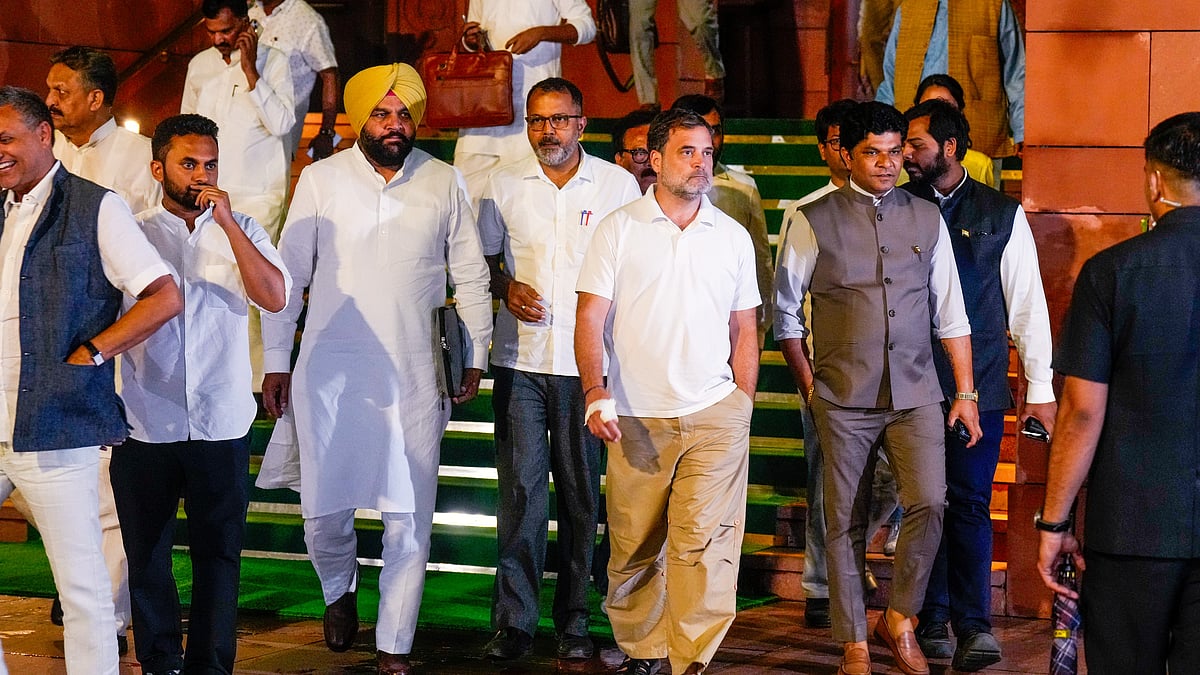
Rahul Gandhi spoke to reporters right after the vote. He said the bill was an "attack on the Constitution" and that his party stopped a "trick." He challenged Prime Minister Narendra Modi to start the women’s reservation immediately using the 2023 law without any new conditions. Priyanka Gandhi Vadra also spoke out, saying the government’s plan was unfair because it did not include specific help for women from backward classes, known as OBCs. She also questioned the government’s record on protecting women, pointing to past events where women were treated poorly.
What This Means Going Forward
Since the bill failed, the government cannot move forward with its specific plan to redraw voting maps and increase the number of seats right now. The focus will now shift back to the 2023 law. The opposition will likely keep pressure on the government to start the reservation for women as soon as possible. There may be more debates about when a new census will happen and how it will affect future elections. Both sides will continue to argue over who truly supports women’s rights in India.
Final Take
The rejection of this bill shows how difficult it is to change India’s voting rules. While everyone says they want more women in power, the disagreement is about how to do it fairly. The opposition has sent a clear message that they will not accept changes to the voting map if they feel those changes hurt the Constitution. The path to women’s reservation remains open, but the government will need to find a way to work with other parties to make it a reality.
Frequently Asked Questions
Why did the women’s reservation bill fail?
The bill failed because it did not get the two-thirds majority vote required to change the Constitution. While more people voted for it than against it, the number of "yes" votes was not high enough to meet the legal requirement.
What was the main concern of the opposition?
The opposition was concerned that the bill linked women’s seats to redrawing voting maps and used old population data. They believed this was a way for the government to change the voting system for its own benefit rather than just helping women.
What happens to women’s reservation now?
The 2023 law for women’s reservation still exists, but it has not been put into action yet. The government and the opposition will need to agree on when and how to start the reservation, especially regarding the census and voting boundaries.