Summary
The Indian government faced a major political setback on April 17, 2026, when a key bill regarding women’s reservation failed to pass in the Lok Sabha. Despite the government’s strong position in Parliament, the bill did not get the "special majority" needed for a constitutional change. This event is significant because it marks the first time in over a decade that a major proposal from the current administration has been defeated in the House. The failure has sparked a heated debate about why the government chose to push for a vote without having enough support from other parties.
Main Impact
The immediate impact of this defeat is the stalling of a plan to change the structure of the Indian Parliament. Along with the women’s reservation, the government wanted to increase the number of seats in the Lok Sabha from 543 to 850. Because the main bill failed, these other changes are now on hold. This situation has given the Opposition a rare moment of victory and has raised questions about the government's political strategy. It also creates uncertainty about when women will finally see the reserved seats in Parliament that have been promised for years.
Key Details
What Happened
The debate in the Lok Sabha lasted two days and ended in a tense voting session. The government reintroduced a bill linked to women’s reservation, but it required 360 votes to pass—a two-thirds majority of the members present. When the final count came in, only 298 members voted in favor, while 230 voted against it. With 528 members present and voting, the government fell short of the target. Two other related bills, which dealt with redrawing constituency boundaries and increasing the total number of MPs, were not even brought to a vote after the first one failed.
Important Numbers and Facts
The voting figures tell a clear story of a divided House. Out of 540 total seats, 528 members were there to cast their votes. The government needed 360 votes but only managed to get 298. This is the first time since 1990 that a bill introduced by the government has been defeated in the Lok Sabha. It is also the first time since 2002 that any government bill has failed in the wider Parliament. These numbers show that the Opposition remained united in a way that the ruling party did not expect.
Background and Context
To understand why this matters, we have to look at how laws are changed in India. For regular laws, a simple majority is enough. However, for changes to the Constitution, the rules are much stricter. The government needs a "special majority," which means two-thirds of the people voting must agree. The Women’s Reservation Bill has been a topic of discussion for a long time. A version of it was passed in 2023, but it included conditions that would delay its start until after a new census and a boundary-redrawing process. The new attempt was seen by some as a way to change the electoral map of India, which the Opposition strongly disliked.
Public or Industry Reaction
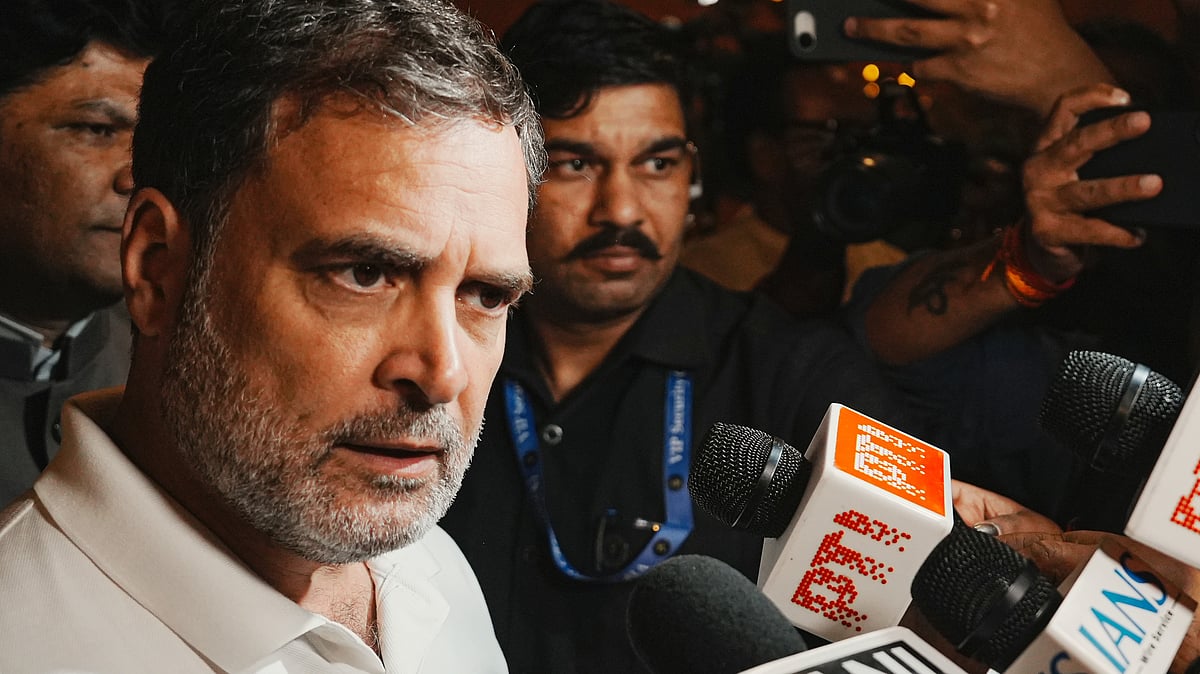
The reaction from political leaders was immediate. Rahul Gandhi, the Leader of the Opposition, called the bill an "attack on the Constitution." He argued that the government was trying to change the very structure of Indian democracy. On the other side, Home Minister Amit Shah tried to save the bill at the last minute by offering an amendment. He suggested a 50 percent increase in the number of MPs for every state. However, the Opposition rejected this offer, calling it "too little, too late." Some BJP insiders suggested that the party knew it might lose but wanted to use the defeat to show that the Opposition is against women's progress.
What This Means Going Forward
The path ahead is now complicated. For women’s reservation to become a reality, the government still needs to complete the 2027 Census. After that, they must redraw the boundaries of voting areas, a process called delimitation. The Opposition is now demanding that the reservation be put into action immediately within the current 543 seats, rather than waiting for an expansion to 850 seats. The government will have to decide whether to try again with a new version of the bill or wait until after the next general elections in 2029. This defeat has changed the balance of power in parliamentary discussions for the near future.
Final Take
This event shows that even the most powerful governments can face unexpected hurdles in Parliament. The defeat of the bill was not just a loss of numbers; it was a breakdown in political communication. By not consulting with other parties and rushing the process during an election season, the government took a high-risk gamble that did not pay off. The focus now shifts to how both sides will use this outcome to talk to voters in the coming months. The dream of reserved seats for women remains alive, but the map of how to get there has become much more confusing.
Frequently Asked Questions
Why did the Women’s Reservation Bill fail in the Lok Sabha?
The bill failed because it did not receive the "special majority" required for constitutional amendments. It needed 360 votes but only received 298, as the Opposition stayed united against it.
What was the government’s plan for 850 seats?
The government proposed increasing the number of Lok Sabha members from 543 to 850. This was part of a larger plan to redraw constituency boundaries based on the upcoming census, but the plan is now on hold.
When will the women’s reservation actually start?
Under the current rules, the reservation can only start after the 2027 Census and the redrawing of boundaries. This means it is unlikely to be in place before the 2029 or even the 2034 elections, depending on future legal changes.