Summary
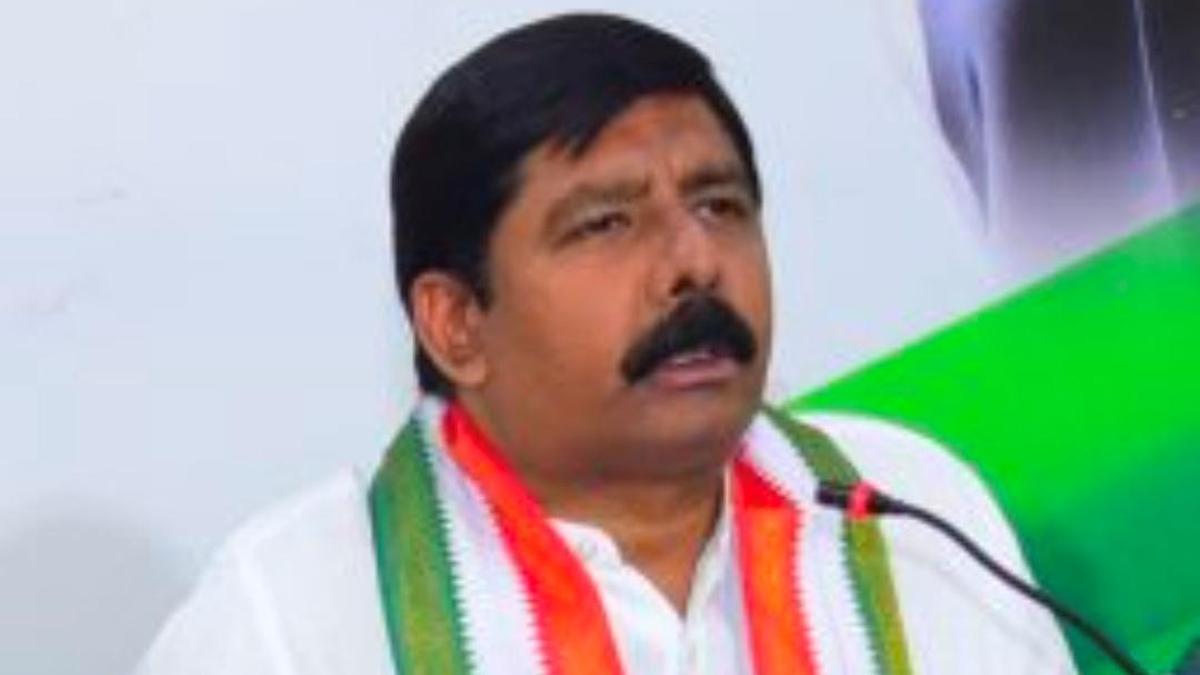
Gidugu Rudra Raju, a prominent leader of the Congress Working Committee (CWC), has publicly criticized the NDA government regarding the Women’s Reservation Bill. He claims that the ruling party had a hidden political agenda when they introduced the legislation. According to Raju, the government intended to use the bill to gain an unfair advantage in the upcoming elections in Tamil Nadu and West Bengal. He stated that the opposition parties successfully identified these motives and prevented the government from using the issue for purely political gains.
Main Impact
The statements made by the Congress leader highlight a growing tension between the government and the opposition over gender-based policies. By labeling the bill as a tool for "political mileage," the Congress party is attempting to shift the public focus from the bill’s benefits to its timing. This move could change how voters in West Bengal and Tamil Nadu view the central government’s promises. It also puts pressure on the ruling party to explain why the implementation of the reservation is tied to future events like the national census and the redrawing of voting districts.
Key Details
What Happened
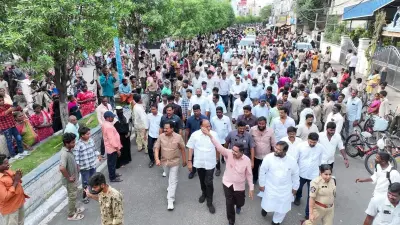
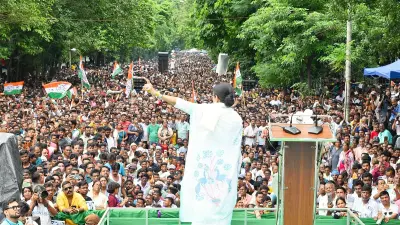
During a recent political gathering, Gidugu Rudra Raju spoke about the true intentions behind the Nari Shakti Vandan Adhiniyam, commonly known as the Women’s Reservation Bill. He argued that the timing of the bill was not accidental. Instead, he suggested it was a calculated move to win over female voters in states where the ruling party has struggled to gain a strong foothold. Raju credited the united opposition for "thwarting" this plan by exposing the conditions attached to the bill, which delay its actual use for several years.
Important Numbers and Facts
The Women’s Reservation Bill aims to set aside 33 percent of seats in the Lok Sabha and state legislative assemblies for women. While the bill was passed with a large majority in Parliament, it cannot be put into practice immediately. The law states that the reservation will only start after a new census is conducted and a process called delimitation is finished. Delimitation is the act of fixing the boundaries of territorial constituencies. Critics point out that this could mean women will not see the benefits of this law until 2029 or even later. Raju emphasized that this delay proves the government was more interested in the announcement than the actual result.
Background and Context
The fight for women’s reservation in Indian politics has lasted for nearly three decades. Various governments have tried to pass similar laws in the past, but they often faced strong resistance from different political groups. The current government succeeded in passing the bill in a special session of Parliament, which was seen as a major historic event. However, the joy was short-lived for many activists and opposition leaders who realized the law would not apply to the 2024 general elections. This has led to a heated debate about whether the move was a genuine effort toward equality or a strategic play to influence voters in key states like Tamil Nadu and West Bengal, where regional parties currently hold power.
Public or Industry Reaction
The reaction to Raju’s comments has been split along party lines. Supporters of the Congress party agree that the government is using the bill as a "post-dated check" that cannot be cashed yet. They argue that if the government were serious, they would have implemented the quota immediately using existing data. On the other hand, members of the ruling NDA have dismissed these claims. They argue that they are the only ones who had the political will to finally pass the law after decades of failure by previous administrations. They maintain that the procedural requirements, like the census, are necessary legal steps to ensure the process is fair and accurate.
What This Means Going Forward
As the elections in West Bengal and Tamil Nadu draw closer, the Women’s Reservation Bill will likely remain a major talking point. The opposition will continue to tell voters that the government’s promises are empty because they lack immediate action. Meanwhile, the ruling party will likely use the bill as a symbol of their commitment to "women-led development." The real test will be how female voters react to these arguments. If the public feels the delay is justified, the NDA may still benefit. However, if the opposition successfully convinces people that the bill was a mere election tactic, it could hurt the ruling party’s chances in these crucial states.
Final Take
The debate over the Women’s Reservation Bill is no longer just about gender equality; it has become a central part of the political battle for India’s states. While the law itself is a landmark achievement, the controversy surrounding its timing and implementation shows the deep lack of trust between the government and the opposition. For the average citizen, the focus remains on when they will actually see more women representing them in the halls of power. Until the census and delimitation are complete, the bill will continue to be a subject of intense political disagreement rather than a functional reality.
Frequently Asked Questions
What is the main goal of the Women’s Reservation Bill?
The bill seeks to reserve one-third, or 33 percent, of all seats in the Lok Sabha and state assemblies for women to increase their participation in lawmaking.
Why did Gidugu Rudra Raju criticize the bill?
He claimed the government introduced it with a hidden motive to gain votes in Tamil Nadu and West Bengal elections, rather than helping women immediately.
When will the women’s reservation actually start?
The reservation will only be implemented after the next national census is completed and the boundaries of voting districts are redrawn, which may take several years.