Summary
The Vattiyoorkavu assembly seat in Kerala is currently the site of a fierce three-way political battle. The Left Democratic Front (LDF), the United Democratic Front (UDF), and the National Democratic Alliance (NDA) are all fighting hard to win this key urban constituency. This race is important because it shows how the political map of Kerala is changing, with the BJP-led NDA becoming a strong challenger to the two traditional power blocs. The result here will signal which party has the most support among city voters and government employees.
Main Impact
The most significant impact of this triangular contest is the end of two-party dominance in the region. For many years, Kerala politics was a simple choice between the LDF and the UDF. However, Vattiyoorkavu has become a place where the NDA is no longer just a small player. By consistently finishing in second place or maintaining a high vote share, the NDA has forced the other two fronts to change their campaign plans. This shift means that candidates can no longer win by just holding onto their traditional supporters; they must now fight for every single vote to stay ahead in a very tight race.
Key Details
What Happened
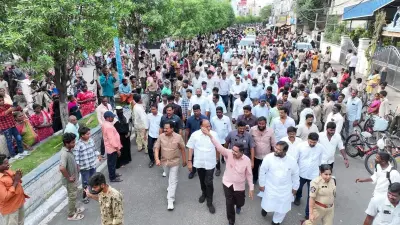
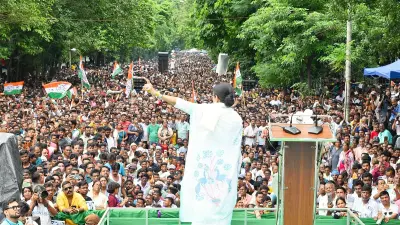
As the election approaches, all three major groups have put forward strong candidates to capture the Vattiyoorkavu seat. The LDF is trying to keep the momentum it gained during the last by-election. The UDF is working hard to win back what was once considered their safe territory. Meanwhile, the NDA is using its growing influence to try and pull off a major victory. The campaign has moved from large rallies to door-to-door visits, with each party focusing on local development and state-wide issues. The competition is so close that political experts find it hard to predict a clear winner.
Important Numbers and Facts
The history of this seat shows how quickly things can change. In the 2011 and 2016 assembly elections, the UDF won the seat. However, in 2016, the BJP candidate came in second, pushing the LDF to third place. This was a huge shock to the traditional political system. In the 2019 by-election, the situation changed again when the LDF candidate, V.K. Prasanth, won by a margin of over 14,000 votes. This win was seen as a sign that voters were looking for active local leadership. Currently, the constituency has a large number of urban voters, many of whom work for the government or in the private sector, making their choices different from rural voters.
Background and Context
Vattiyoorkavu is a high-profile constituency located in the Thiruvananthapuram district. It was created in 2011 after a reorganization of assembly seats. Since its start, it has been a place where state leaders often compete. The area is home to many educated professionals and middle-class families. Because of this, issues like waste management, road quality, and public services are very important to the people living here. The seat is also known for its specific social makeup, where certain communities have a large influence on the final vote. Understanding these social and economic factors is key to understanding why all three parties are putting so much effort into this single seat.
Public or Industry Reaction
The local public is closely watching the candidates and their promises. Many residents feel that the three-way fight is good for the area because it forces politicians to work harder. Supporters of the LDF point to the work done by their representative in the last few years as a reason to vote for them again. UDF supporters believe their party is the only one that can provide stable governance and bring back the growth the area saw in the past. On the other side, NDA supporters are excited by the party's growing strength and believe that a win here would bring more attention from the central government. Social media is full of debates between these groups, showing how high the tension is.
What This Means Going Forward
The outcome of the Vattiyoorkavu election will have a lasting effect on Kerala's political future. If the LDF wins again, it will prove that their focus on local development and "pro-people" projects can win over urban voters who were once against them. If the UDF takes the seat back, it will show they are still a powerful force in the state's capital. However, if the NDA wins or even maintains a strong second place, it will confirm that Kerala is moving toward a permanent three-party system. This would mean that in future elections, every seat could become a difficult three-way battle, making it harder for any single front to get a clear majority in the state assembly.
Final Take
Vattiyoorkavu is more than just a single seat in the assembly; it is a symbol of the changing political mood in Kerala. The move from a traditional two-sided contest to a complex triangular battle shows that voters are open to new ideas and different leadership styles. As the three fronts continue their fight, the real winners will be the voters who get to choose from three distinct visions for their community. The result will set the tone for how politics is played in the state for years to come.
Frequently Asked Questions
Why is Vattiyoorkavu considered a triangular battle?
It is called a triangular battle because three major groups—the LDF, UDF, and NDA—all have a strong chance of winning. Unlike many other seats where only two parties are strong, all three have a significant number of supporters here.
Who won the Vattiyoorkavu seat in the last election?
In the 2019 by-election, V.K. Prasanth from the Left Democratic Front (LDF) won the seat. Before that, the seat was held by the United Democratic Front (UDF).
What makes this constituency different from others in Kerala?
Vattiyoorkavu is a mostly urban area with a high number of government employees and educated professionals. This makes the voters focus more on city infrastructure and administrative performance compared to rural areas.