Summary
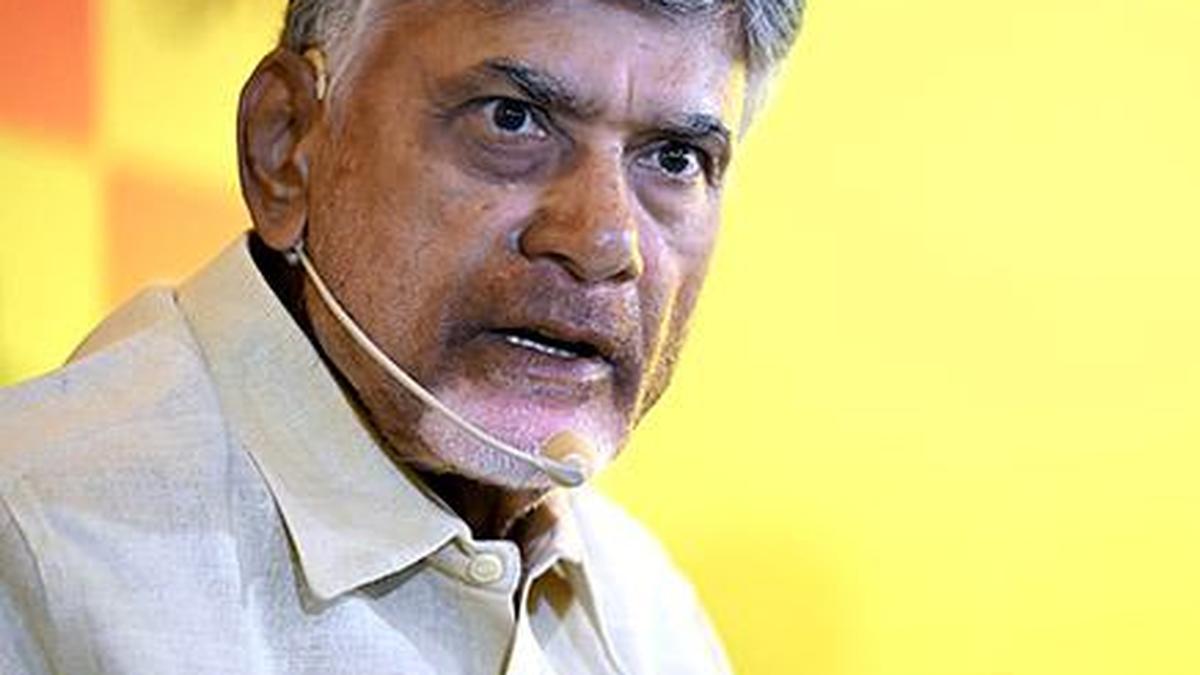
N. Chandrababu Naidu, the leader of the Telugu Desam Party (TDP), has expressed strong disappointment over the delay in implementing two major political changes: the Women’s Reservation Bill and the redrawing of voting districts, known as delimitation. Naidu stated that blocking or slowing down these bills is a major disservice to the people of India. He believes these steps are necessary to make the country’s democracy fairer and more inclusive. On the other side, Y.S. Jagan Mohan Reddy has questioned the motives of the opposition, asking what they actually achieved during their time in power regarding these same issues.
Main Impact
The delay in these bills has a direct effect on how India is governed. The Women’s Reservation Bill is designed to ensure that women hold one-third of the seats in Parliament and state assemblies. Without it, women remain underrepresented in the rooms where the nation’s biggest decisions are made. Similarly, the delay in delimitation means that voting districts are still based on old population data. This creates an imbalance where some leaders represent far more people than others, making the voting process less equal across different states.
Key Details
What Happened
During a recent political gathering, Chandrababu Naidu spoke about the need for immediate action on these reforms. He argued that the government and opposition should work together to ensure these laws move from paper to reality. Naidu pointed out that the Women’s Reservation Bill has been discussed for decades, yet its benefits have not reached the public. He also raised concerns about delimitation, which is the process of changing the boundaries of Lok Sabha and Assembly seats to match the current population. He warned that stalling these processes holds the country back from modernizing its political system.
Important Numbers and Facts
The Women’s Reservation Bill, also known as the Nari Shakti Vandan Adhiniyam, proposes to set aside 33% of seats for women. While the bill was passed by Parliament in 2023, it was linked to the completion of a new census and the delimitation process. This means the actual changes might not happen until the next major elections. In terms of delimitation, the number of seats in the Lok Sabha has not been significantly updated based on population since the 1970s. As India’s population has grown to over 1.4 billion people, the current seat distribution is seen by many as outdated.
Background and Context
To understand why this is a heated topic, we have to look at how Indian elections work. Every few decades, the government is supposed to redraw the map of voting areas so that each representative stands for roughly the same number of people. However, this was put on hold for a long time to encourage states to control their population growth. If a state successfully lowered its population growth, it didn't want to be "punished" by losing seats in Parliament. This has created a complex political situation where southern states fear losing influence to northern states with higher populations.
The Women’s Reservation Bill is another long-standing issue. For years, different governments tried to pass it, but it often faced protests from parties who wanted specific quotas for different social groups within the women's quota. While the bill finally passed, the condition that it must wait for a census and delimitation has led to accusations that the government is dragging its feet.
Public or Industry Reaction
The reaction to Naidu’s comments has been split along party lines. Supporters of the TDP and other opposition groups agree that the government is using technical excuses to delay women's empowerment. They argue that if the government was serious, it would find a way to implement the quota sooner. However, Y.S. Jagan Mohan Reddy and his supporters have pushed back. Jagan questioned the track record of the opposition, suggesting that they are only raising these issues now to gain political points. He implied that when the opposition had the chance to make these changes in the past, they failed to do so. This back-and-forth shows the deep divide in how leaders view the timeline for these reforms.
What This Means Going Forward
The next few years will be critical for these reforms. The government must first conduct a national census, which is a massive task of counting every person in the country. Once the census data is ready, the delimitation commission will begin the work of redrawing the voting map. Only after these two steps are finished can the 33% reservation for women finally take effect. This means that voters likely won't see a significant change in the makeup of Parliament until the 2029 elections at the earliest. The ongoing debate between leaders like Naidu and Jagan suggests that these topics will remain a major part of political campaigns for a long time.
Final Take
The fight over the Women’s Reservation Bill and delimitation is about more than just rules; it is about who gets a seat at the table in Indian politics. While leaders disagree on the "how" and "when," the pressure to make the system more representative is growing. Whether these changes happen sooner or later will depend on political willpower and the ability of different parties to find common ground for the good of the nation.
Frequently Asked Questions
What is the Women’s Reservation Bill?
It is a law that aims to reserve 33% of the seats in India’s Parliament and state assemblies for women to ensure they have a fair share in political decision-making.
What does delimitation mean in simple terms?
Delimitation is the process of redrawing the boundaries of voting areas (constituencies) to make sure each area has a similar number of voters based on the latest population count.
Why are these bills being delayed?
The implementation of these bills is tied to the national census and the redrawing of voting maps. Since the census was delayed, the start of these new political rules has also been pushed back.