Summary
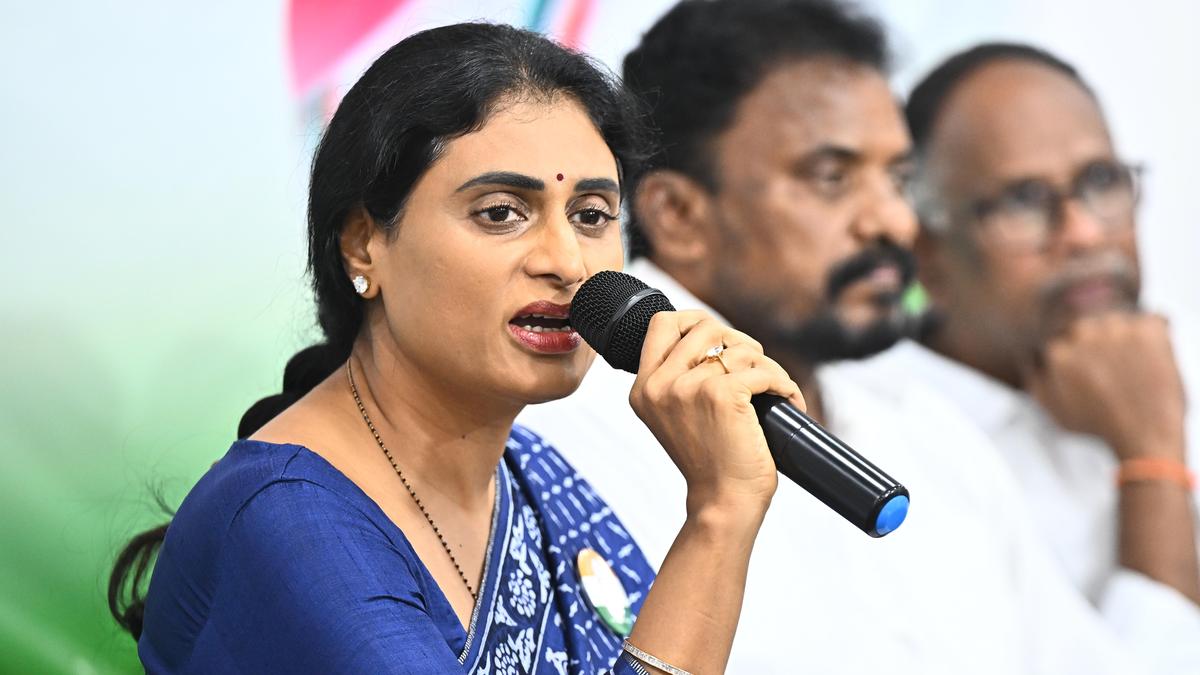
Y.S. Sharmila, a prominent leader in the Congress party, has strongly reaffirmed her party's support for the 33% women’s reservation quota. During a recent public statement, she emphasized that the Congress party remains fully committed to ensuring women have a fair share of seats in legislative bodies. However, she also raised serious concerns about how the current central government is handling the law. Sharmila accused the government of using the issue for political gain rather than genuine progress for women.
Main Impact
The primary impact of this statement is the growing political tension over the timing of the women's quota. While the law to reserve one-third of seats for women has been passed, it is not being put into action immediately. By linking the quota to the next census and the redrawing of voting districts, the government has pushed the actual start date several years into the future. This delay means that women will continue to be underrepresented in the upcoming major elections, which Sharmila argues is a disservice to the nation's female population.
Key Details
What Happened
Sharmila spoke out against the delay in implementing the Women’s Reservation Bill. She pointed out that the central government has tied the 33% quota to two major events: a new national census and a process called delimitation. Delimitation is when the government changes the boundaries of voting areas based on population changes. Sharmila believes these conditions are unnecessary hurdles designed to stall the process. She went as far as calling the Prime Minister an "opportunist," suggesting that the government only passed the bill to look good before elections without actually intending to share power right away.
Important Numbers and Facts
The bill aims to reserve 33% of seats in the Lok Sabha and state legislative assemblies for women. Currently, the percentage of women in these law-making bodies is much lower, often hovering around 14% or 15%. The law was passed with great fanfare in 2023, but experts say it might not be fully active until 2029 or even later. This is because the national census, which was supposed to happen in 2021, has been delayed. Without the census data, the delimitation process cannot happen, and without delimitation, the government says the quota cannot be applied.
Background and Context
The fight for women’s reservation in India has been going on for nearly thirty years. Different governments have tried to pass this law since the mid-1990s, but it often faced strong opposition from various political groups. The Congress party claims that they were the ones who originally pushed for this change years ago. In 2023, the current government finally passed the bill, which was seen as a historic moment. However, the excitement quickly turned into a debate when the public realized the quota would not start immediately. Critics argue that if the government truly wanted to help women, they would have implemented the quota using the current voting maps instead of waiting for new ones.
Public or Industry Reaction
The reaction to Sharmila’s comments has been split along political lines. Supporters of the Congress party agree that the government is dragging its feet. They believe that the "census and delimitation" excuse is just a way to keep the current power structure the same for as long as possible. On the other hand, supporters of the ruling party argue that the process must be done correctly and legally to avoid future court battles. They claim that redrawing the boundaries is a necessary step to ensure that the reservation is fair and based on the most recent population data. Women's rights groups have expressed a mix of hope and frustration, as they want to see more women in power now, not in the distant future.
What This Means Going Forward
Looking ahead, the debate over the women's quota will likely become a major talking point in future election campaigns. If the Congress party and other opposition groups continue to pressure the government, it could lead to demands for a faster timeline. However, as it stands, the legal requirements for the census and delimitation remain in place. This means the next few election cycles might still see a low number of female candidates unless parties voluntarily choose to give more tickets to women. The political focus will now shift to when the census will actually begin, as that is the first domino that needs to fall before the 33% quota can become a reality.
Final Take
The promise of 33% reservation is a huge step for equality, but the path to getting there is filled with political obstacles. Sharmila’s criticism highlights a deep lack of trust between the opposition and the government regarding how this law will be used. While the law exists on paper, the real test will be whether the government moves quickly to count the population and redraw the maps, or if the quota remains a promise that is always just out of reach.
Frequently Asked Questions
What is the 33% women's quota?
It is a law that requires one-third of all seats in India's national and state legislatures to be reserved for women to ensure they have a voice in making laws.
Why is the implementation of the quota delayed?
The government has stated that the quota can only start after a new national census is completed and voting district boundaries are redrawn, which could take several years.
What is delimitation in simple terms?
Delimitation is the process of fixing or redrawing the limits or boundaries of territorial constituencies in a country to reflect changes in the population.