Summary
Women teachers from across the state recently gathered at a large conference to demand better working conditions and fairer policies. The event focused on the unique challenges female educators face, such as balancing family life with demanding school schedules. They presented a list of formal requests to the government, hoping to see changes in leave policies, safety measures, and job transfers. This meeting marks a significant step in the push for gender equality within the public education system.
Main Impact
The primary impact of this conference is the pressure it puts on state officials to update old labor laws. By coming together in large numbers, these teachers have shown that their concerns are widespread and cannot be ignored. If the government agrees to these demands, it could lead to a more supportive environment for thousands of women. This would not only help the teachers but also improve the quality of education for students, as supported teachers are often more effective in the classroom.
Key Details
What Happened
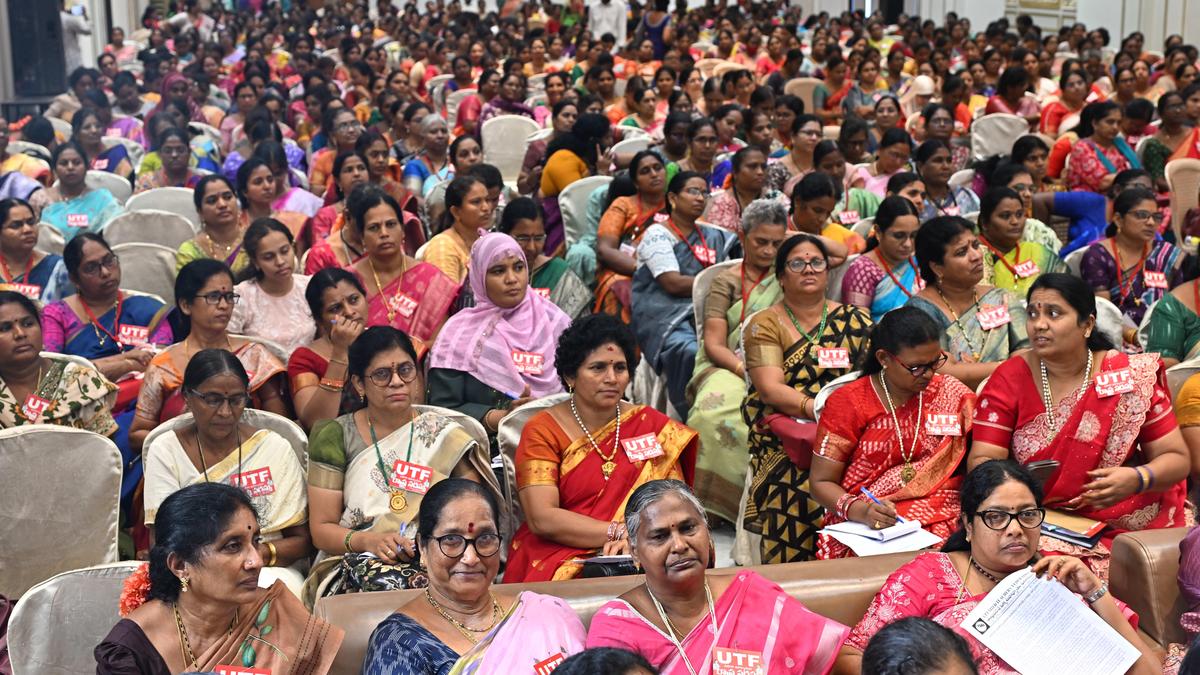
The state-level conference saw hundreds of representatives from various districts come together to speak with one voice. During the sessions, speakers highlighted how the current system often overlooks the needs of women. Many teachers shared stories of traveling long distances to reach rural schools, often without access to safe transport or clean facilities. The group drafted a resolution that outlines their most urgent needs, which they plan to submit to the Education Department.
Important Numbers and Facts
The conference represented over 50,000 women teachers working in government and aided schools. One of the top demands is the implementation of a 180-day maternity leave policy that is easy to access without heavy paperwork. They also asked for a special "Child Care Leave" of up to two years, which a teacher could use at different times during her career. Additionally, the group called for a 33% reservation for women in high-level administrative positions within the education sector to ensure their voices are heard in decision-making roles.
Background and Context
In many regions, women make up the majority of the teaching workforce, yet the rules governing their work were often written decades ago. These rules do not always account for the modern reality of working mothers or the safety risks women face when working in remote areas. For a long time, teachers have been expected to handle non-teaching tasks, such as helping with government surveys or election duties. For women, these extra tasks often create a "double burden" when combined with household responsibilities. This conference was organized to address these long-standing issues and demand a more modern approach to school management.
Public or Industry Reaction
The reaction to the conference has been mostly positive from the public and education experts. Many parents agree that teachers deserve better facilities, noting that a teacher's well-being directly affects the students. However, some government representatives have expressed concerns about the budget. They argue that providing long-term leave for thousands of teachers would require hiring many temporary staff members, which could be expensive. Despite these financial concerns, there is a general feeling that the government must make some concessions to prevent a shortage of qualified teachers in the future.
What This Means Going Forward
Looking ahead, the success of this movement depends on how the government responds to the formal petition. If the authorities ignore the demands, the teachers' association has hinted at holding larger protests or even temporary strikes. In the coming months, we may see the introduction of new safety guidelines for women working in rural schools. There is also a strong possibility that the government will revise the transfer policy, making it easier for women with young children or elderly parents to work at schools closer to their homes. These changes would represent a major shift in how the state treats its female employees.
Final Take
The demands raised at this state conference are about more than just better pay or more time off. They are about respect and recognizing the vital role women play in shaping the next generation. By asking for safer workplaces and flexible leave, these teachers are trying to build a system where they can succeed both at work and at home. The government now has a clear choice: support its educators or risk a decline in the quality of the state's school system.
Frequently Asked Questions
What are the main demands of the women teachers?
The main demands include longer maternity leave, the introduction of child care leave, safer working conditions in rural areas, and a fairer transfer policy that keeps families together.
Why is child care leave important for these teachers?
Child care leave allows teachers to take time off to care for their children during important times, such as illness or exams, without losing their jobs or seniority. This helps them balance their professional and personal lives.
How will these changes affect students?
When teachers have better working conditions and less stress, they can focus more on teaching. This usually leads to a better learning environment and improved academic results for the students.