
Summary
The INDIA bloc, a group of opposition parties, has announced its stance on the upcoming women’s reservation debate. While the group fully supports giving women one-third of the seats in Parliament, they are strongly against the government's specific plan. They claim the government is using the issue for political gain and is trying to push through a controversial plan to redraw voting districts. This disagreement comes just before a special three-day session of Parliament starts on April 16, 2026.
Main Impact
The main conflict centers on how and when women will get these reserved seats. The government wants to link the reservation to a new census and a process called delimitation, which involves redrawing the boundaries of voting areas. The opposition argues that this process is a trick to change the balance of power in Parliament. This clash could lead to a heated debate in both the Lok Sabha and Rajya Sabha, potentially delaying the actual start of the reservation or changing how many seats each state holds in the future.
Key Details
What Happened
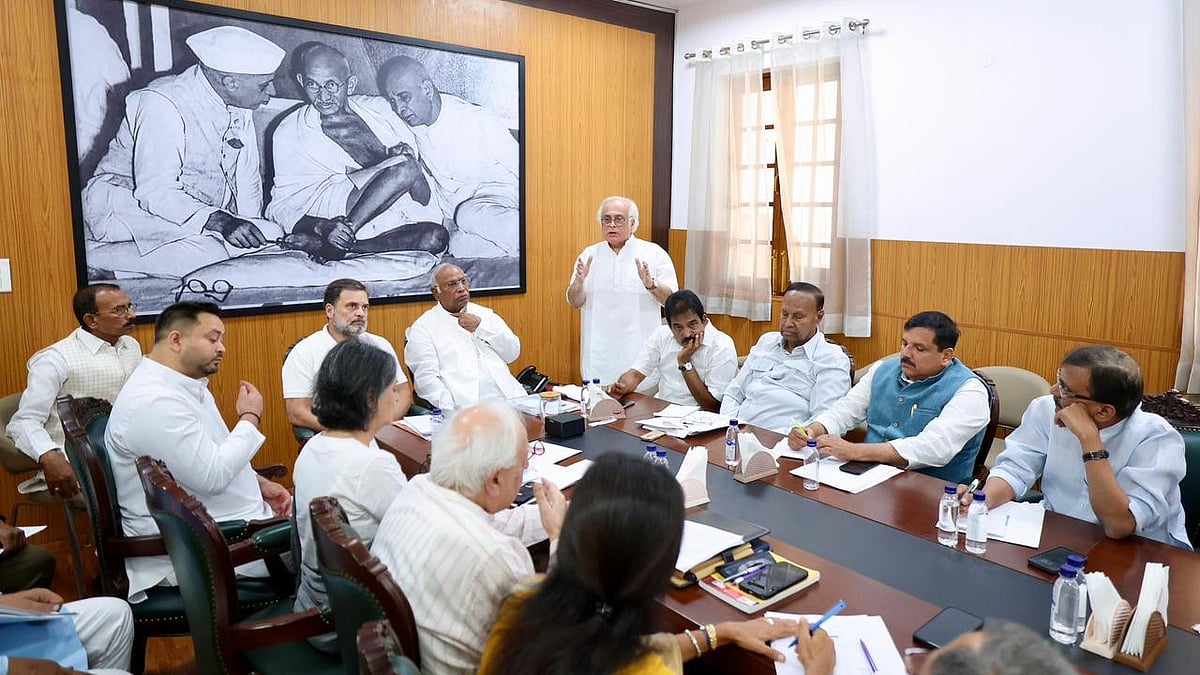
Leaders from the INDIA bloc met to discuss their strategy for the special Parliament session. Congress President Mallikarjun Kharge stated that while they want women to have more power in politics, they do not trust the government's methods. The opposition believes the government is trying to "bulldoze" or force through laws that could hurt the rights of different states. They are particularly worried about the timing of this move, as it coincides with important state elections in places like West Bengal and Tamil Nadu.
Important Numbers and Facts
The government’s reported plan includes several major changes to the current system. Currently, the Lok Sabha has 543 seats. The new proposal suggests increasing this number to 816 seats. Out of these, 273 seats would be reserved specifically for women. The opposition wants the reservation to be based on the current 543 seats instead. They also want the changes to be ready in time for the 2029 national elections without waiting for the complicated process of redrawing boundaries.
Background and Context
The idea of reserving seats for women in India’s Parliament has been around for decades. In 2023, a law called the Nari Shakti Vandan Adhiniyam was passed. This law promised that one-third of the seats in the Lok Sabha and state assemblies would go to women. However, the law included a condition: it would only happen after a new census was taken and voting boundaries were redrawn. Redrawing boundaries, or delimitation, is a sensitive topic because it can give more power to states with larger populations while reducing the influence of others. The opposition fears this will be used to favor the ruling party.
Public or Industry Reaction
Sonia Gandhi, a senior leader in the Congress party, has been very vocal about her concerns. She wrote that the real issue is not about women’s rights but about the "dangerous" plan to redraw boundaries. She called the government's move an attack on the Constitution. Other opposition leaders, like Jairam Ramesh, said that all parties in their group agree on the need for reservation but will fight against the government's "politically motivated" tactics. On the other side, the ruling BJP has ordered all its members to be present in Parliament, signaling that they are ready to push the bills through despite the criticism.
What This Means Going Forward
The special session from April 16 to April 18 will be a major test for both the government and the opposition. If the government succeeds, India could see a massive increase in the number of members in Parliament and a guaranteed number of women leaders by 2029. However, if the opposition’s concerns about redrawing boundaries are shared by the public, it could lead to legal challenges or protests from different states. The next few days will reveal the exact text of the new bills and how the government plans to handle the concerns of the opposition.
Final Take
While both sides of the political aisle agree that women deserve more representation in government, the path to getting there is filled with political tension. The fight is no longer just about gender equality; it is about how power is shared across the country. The outcome of this special session will likely shape Indian politics for the next decade, affecting everything from how many people represent a district to which states hold the most influence in the capital.
Frequently Asked Questions
What is the Women’s Reservation Bill?
It is a plan to reserve one-third of the seats in India's Parliament and state assemblies for women to ensure they have a fair say in making laws.
Why is the opposition against the government's plan?
The opposition supports the reservation itself but dislikes the government's plan to redraw voting boundaries at the same time. They believe this is a political move to gain more power.
When would the reservation start?
The government aims to have the reservation in place for the 2029 Lok Sabha elections, but this depends on completing a census and redrawing voting districts first.

