Summary
Coober Pedy is a small town in the South Australian desert where the majority of the population lives in homes built under the earth. This unusual way of life began over a century ago when miners discovered that the ground offered protection from the extreme heat of the outback. Today, the town is famous for its underground houses, hotels, and even churches. It remains a vital center for the global gemstone trade, providing most of the world's opal supply.
Main Impact
The decision to move life underground has allowed a community to thrive in a place where most people would find it impossible to survive. By building into the earth, residents have created a sustainable way to stay cool without relying on expensive air conditioning. This adaptation has turned a remote mining camp into a global point of interest. It shows how human creativity can solve the problems of living in a harsh climate while building a unique local culture.
Key Details
What Happened
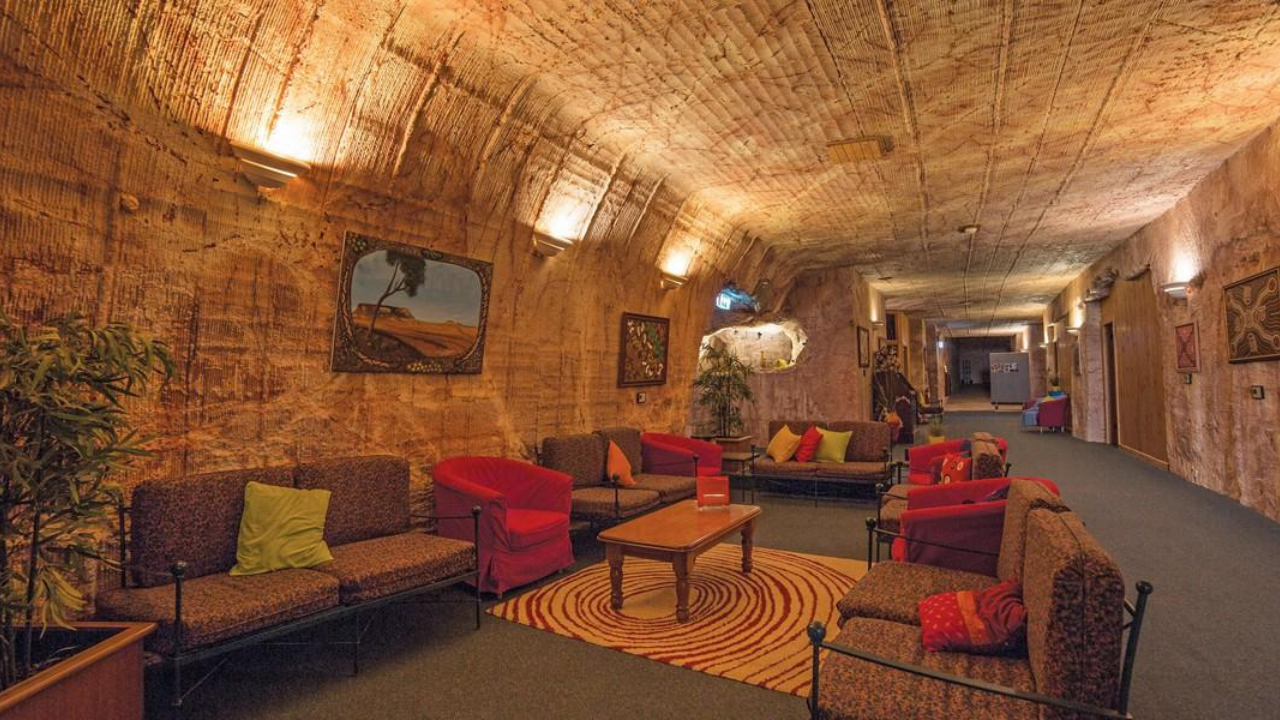
In 1915, a young boy found the first opal in the area. This discovery led to a rush of miners who wanted to find their fortune in the dry ground. However, the workers soon realized that the summer heat was too much to handle. To escape the sun, they started living in the same holes they dug for mining. These underground homes, known as "dugouts," stayed at a comfortable temperature all year round. Over time, the town grew to include full-sized houses, shops, and places of worship, all carved out of the rock.
Important Numbers and Facts
The temperatures in Coober Pedy can be very extreme. In the summer, the air outside can reach 50 degrees Celsius, which is about 122 degrees Fahrenheit. However, inside an underground home, the temperature stays at a steady 23 to 25 degrees Celsius. About 60 percent of the town's 2,500 residents live below the surface. The town is responsible for roughly 70 percent of the world's opal production, making it the "Opal Capital of the World."
Background and Context
The name Coober Pedy comes from the local Aboriginal words "kupa-piti," which roughly translates to "white man in a hole." This name perfectly describes the town's history. The area is very dry and has almost no trees, making the surface look like the surface of the moon. Because it looks so strange, many famous movies have been filmed there. Living underground is not just about the heat; it is also about the geology of the area. The sandstone is soft enough to dig through but strong enough to support large rooms without the need for extra pillars or beams.
Public or Industry Reaction
Travelers from all over the world visit Coober Pedy to see how people live in these "caves." The tourism industry has grown significantly, with many people wanting to stay in underground hotels to experience the silence and darkness of the earth. Mining experts still view the town as the most important source of high-quality opals. While the number of miners has dropped since the early days, the town remains a symbol of the tough and independent spirit of the Australian outback.
What This Means Going Forward
As global temperatures rise, the way Coober Pedy functions could offer lessons for other hot regions. The town proves that building into the earth is an effective way to save energy and stay safe from heatwaves. While the opal mining industry faces challenges from synthetic stones and changing regulations, the town's identity as an underground marvel ensures it will remain a significant location. Future developments will likely focus on balancing the mining heritage with the growing demand for unique travel experiences.
Final Take
Coober Pedy is a remarkable example of how people can adapt to the most difficult conditions on Earth. By turning a mining necessity into a way of life, the residents have built a town that is unlike any other. It stands as a reminder that even in the middle of a hot, empty desert, a community can find a way to build a comfortable and lasting home.
Frequently Asked Questions
Why do people in Coober Pedy live underground?
People live underground primarily to escape the extreme heat of the desert. Underground homes stay at a cool, steady temperature even when it is 50 degrees Celsius outside.
Is it dark inside the underground houses?
While the rooms are carved into rock, modern underground homes have electricity and light. Many also have ventilation shafts that let in fresh air and some natural light from the surface.
Can you still find opals in Coober Pedy?
Yes, Coober Pedy is still the world's largest producer of opals. Both professional miners and tourists can search for the colorful gemstones in the area.