
Summary
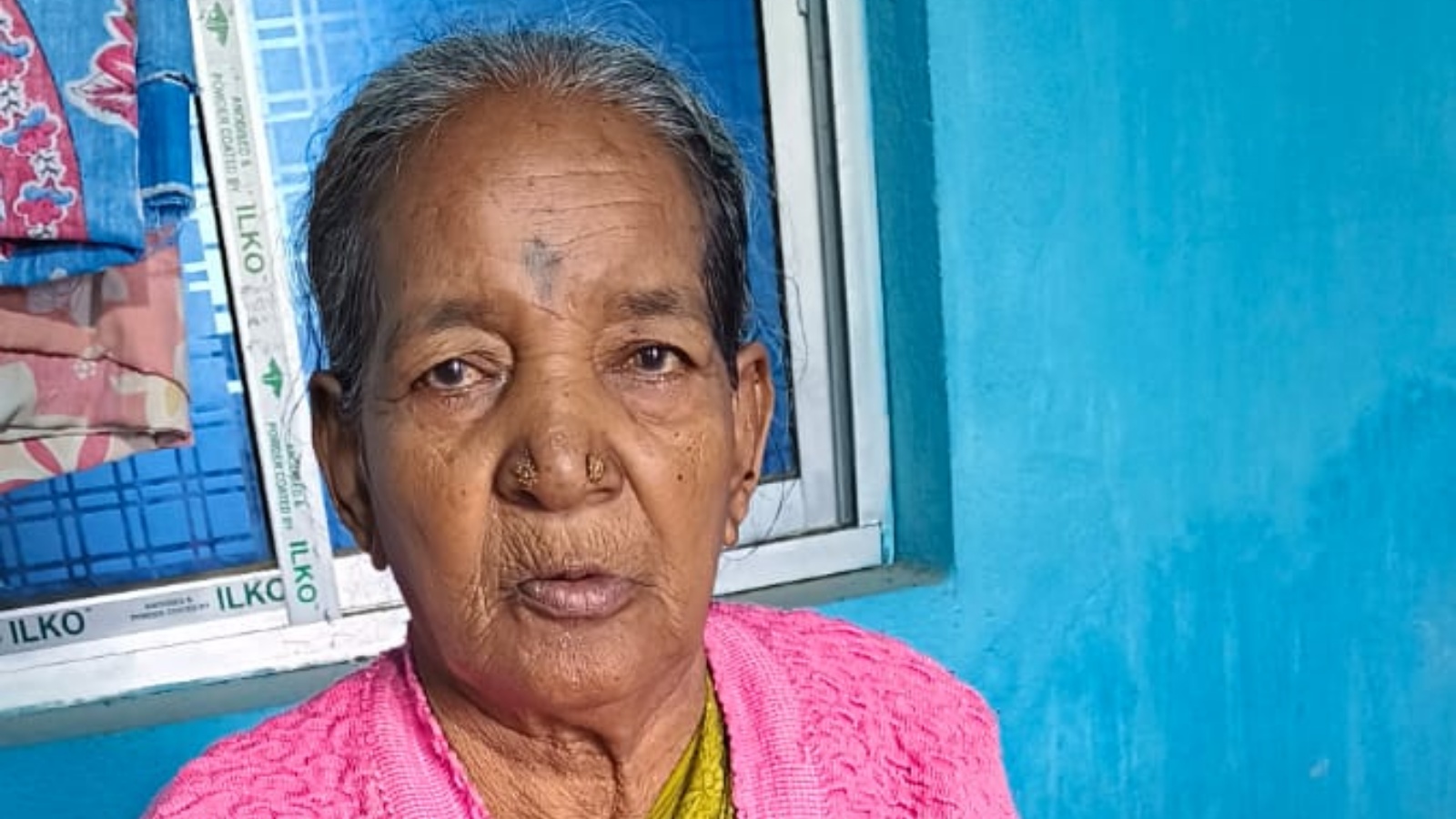
A woman from Odisha who went missing during the Rath Yatra festival in Puri ten years ago has been found alive in West Bengal. The discovery was made possible through the efforts of a Ham radio operator who helped connect her with her family. The woman, who suffers from mental health issues, was traced to a shelter home in West Bengal's Howrah district. Her family has now been reunited with her after a decade-long search.
Main Impact
The reunion brings closure to a family that had been searching for their loved one since 2016. The woman, identified as Mamata Behera, was 35 years old when she went missing during the crowded Rath Yatra in Puri. She was found living in a government-run shelter home in Howrah, West Bengal. The case highlights how community networks and amateur radio technology can help solve long-standing missing person cases.
Key Details
What Happened
Mamata Behera traveled from her village in Odisha's Jajpur district to Puri for the Rath Yatra festival in July 2016. During the massive crowd, she became separated from her family. Despite immediate searches, she could not be found. Her family filed a missing person report with the police but had no leads for years.
Important Numbers and Facts
The woman was missing for exactly 10 years. She was found in a shelter home in Howrah, about 400 kilometers from her home. A Ham radio operator named Ramesh Chandra Sahu from Odisha played a key role in the identification. He used his radio network to share information about unidentified women in shelters across India. The shelter home staff in Howrah contacted him after seeing his posts on social media groups for missing persons.
Background and Context
Ham radio, also known as amateur radio, is a hobby where people use radio equipment to communicate with others around the world. In India, Ham radio operators often help during disasters and in locating missing persons. The Rath Yatra is one of India's largest religious festivals, drawing millions of devotees to Puri each year. Such large gatherings often lead to people getting lost, especially those with health conditions.
Missing person cases in India can take years to resolve due to limited resources and coordination between states. This case shows how non-government networks can fill gaps in the system.
Public or Industry Reaction
The story has received widespread attention in Odisha and West Bengal. Local news outlets covered the reunion as a heartwarming example of community effort. Ham radio operators across India have praised Ramesh Chandra Sahu for his persistence. The woman's family expressed deep gratitude to everyone who helped. Social media users shared the story widely, calling it a reminder of the power of kindness and technology working together.
What This Means Going Forward
This case shows that even after many years, missing persons can still be found if networks stay active. Ham radio operators are now discussing ways to create a more organized system for sharing information about unidentified people in shelters. Police departments in both states are reviewing how they handle cross-state missing person cases. For families with missing loved ones, this story offers hope that answers may still come.
Final Take
The reunion of Mamata Behera with her family after ten years is a powerful reminder that persistence and community effort can overcome long odds. It also shows the value of amateur radio networks in connecting people across distances. While the system for finding missing persons has gaps, stories like this prove that dedicated individuals can make a real difference.
Frequently Asked Questions
How did Ham radio help find the missing woman?
A Ham radio operator from Odisha shared details about unidentified women in shelters through his radio network and social media. Staff at a shelter in Howrah recognized the woman from these posts and contacted the operator, who then connected her with her family.
Why was the woman missing for so long?
The woman had mental health issues and could not communicate her identity or address clearly. She was taken to a shelter home where she stayed for years without being identified. The lack of a centralized database for missing persons across Indian states also delayed the process.
What is Ham radio used for in India?
Ham radio is used for hobby communication, emergency response during natural disasters, and helping locate missing persons. Operators can communicate across long distances without needing internet or phone networks, making them useful in remote areas or during crises.



