Summary
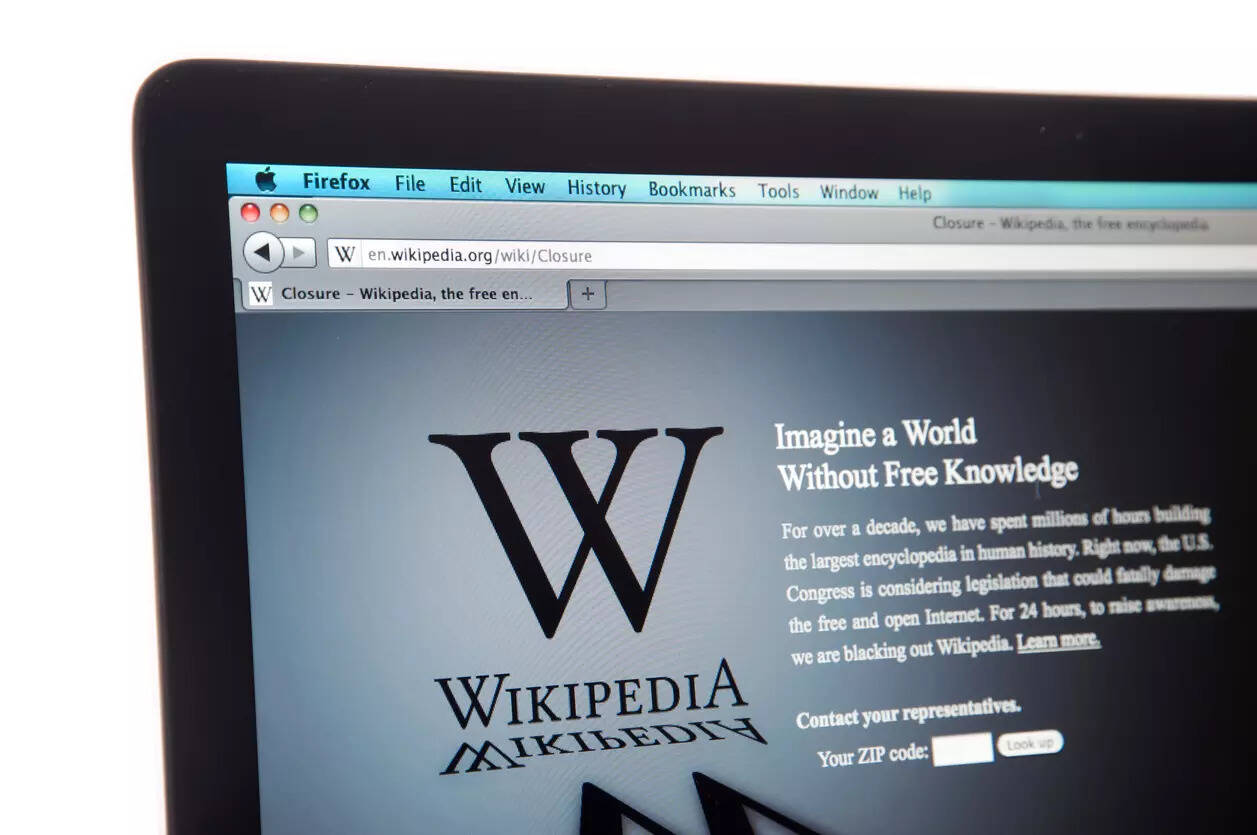
The Wikimedia Foundation and the Indonesian government have reached a significant agreement regarding how the online encyclopedia operates within the country. This compromise follows a long period of discussion about local digital laws and the unique way Wikipedia manages its content. The deal ensures that millions of Indonesian users can continue to access the site without the threat of a block. It also addresses the government's requirement for digital platforms to have a formal point of contact for legal matters.
Main Impact
The primary impact of this agreement is the continued availability of free knowledge for the Indonesian public. For several months, there was a real risk that Wikipedia could be restricted or blocked entirely. By finding a middle ground, the government has shown a willingness to work with non-profit organizations that do not fit the typical corporate model. This move protects the educational resources used by students, teachers, and researchers across the nation while bringing Wikimedia into line with local regulations.
Key Details
What Happened
The dispute centered on a regulation known as MR5, which requires all "Private Electronic System Providers" to register with the Indonesian Ministry of Communication and Information Technology. Wikimedia initially hesitated to register because the rules were designed for for-profit companies like social media apps and search engines. These rules often require platforms to remove content very quickly when the government asks. Because Wikipedia is written and edited by volunteers, the foundation argued it could not control content in the same way a traditional company does.
Under the new compromise, Wikimedia has agreed to a modified registration process. They will not be treated exactly like a commercial tech giant. Instead, they have established a formal communication channel that allows the government to send legal notices directly to the foundation. This allows the government to feel that the site is accountable, while Wikimedia maintains its commitment to an open editing system where volunteers make the decisions.
Important Numbers and Facts
Indonesia is a vital region for Wikimedia, with a population of over 270 million people. Wikipedia is consistently ranked among the top ten most visited websites in the country. The Indonesian language version of Wikipedia contains over 600,000 articles, and there are also versions in regional languages like Javanese, Sundanese, and Minangkabau. The agreement prevents the potential loss of access for over 150 million internet users in the country who rely on these digital resources for daily information.
Background and Context
To understand why this matters, it is important to look at how Indonesia manages its digital space. The government has become much stricter about what happens online. They want to make sure that platforms can be held responsible for content that might break local laws, such as misinformation or illegal activities. For most companies, this means hiring a local team to monitor the site and respond to government requests within hours.
Wikimedia is a non-profit organization based in the United States. It does not show ads and does not have a large staff in every country. Most of the work is done by a global community of volunteers who follow strict rules about neutrality and facts. If Wikimedia had followed the original government rules, it might have been forced to delete articles without a fair review process. This created a standoff that lasted for nearly two years before this recent compromise was signed.
Public or Industry Reaction
The reaction to the news has been mostly positive, especially among the academic community. Many professors in Jakarta and other major cities expressed relief that their students would not lose access to a primary research tool. Digital rights groups have also praised the government for being flexible. They noted that treating a non-profit encyclopedia the same as a massive social media company would have been a mistake.
However, some activists remain watchful. They are concerned that the new communication channel might be used to pressure Wikimedia into removing political content or articles that the government finds sensitive. These groups argue that while the compromise is good for keeping the site online, the foundation must remain firm in protecting its volunteer editors from government interference.
What This Means Going Forward
This agreement could serve as a helpful example for other countries and organizations. Many nations in Southeast Asia and beyond are looking for ways to regulate the internet. The "Indonesian model" shows that it is possible to create a special category for educational and non-profit sites. It suggests that governments do not have to use a "one size fits all" approach to digital law.
For Wikimedia, the next step is to ensure that the local contact point works effectively. They will need to manage government requests in a way that follows Indonesian law but also protects the rights of their global volunteer base. If this works well, it could prevent similar conflicts in other parts of the world where internet laws are becoming more strict.
Final Take
The compromise between Indonesia and Wikimedia is a victory for the flow of information. It shows that even when laws are strict, there is usually a way to talk through problems and find a solution that works for everyone. By keeping Wikipedia open, Indonesia has protected a vital tool for education and growth in the digital age.
Frequently Asked Questions
Is Wikipedia now censored in Indonesia?
No, the agreement does not give the government the power to edit or delete articles directly. Volunteers still manage the content, but there is now a formal way for the government to report legal concerns to the foundation.
Why did Wikimedia refuse to register at first?
The foundation was concerned that the standard registration rules would force them to act like a commercial company and compromise their mission of providing free, neutral information without outside interference.
What happens if the government wants an article removed?
The government can now use the official contact point to send a request. Wikimedia will review the request based on its own policies and local laws to decide the best course of action, rather than being forced to delete it instantly.