
Summary
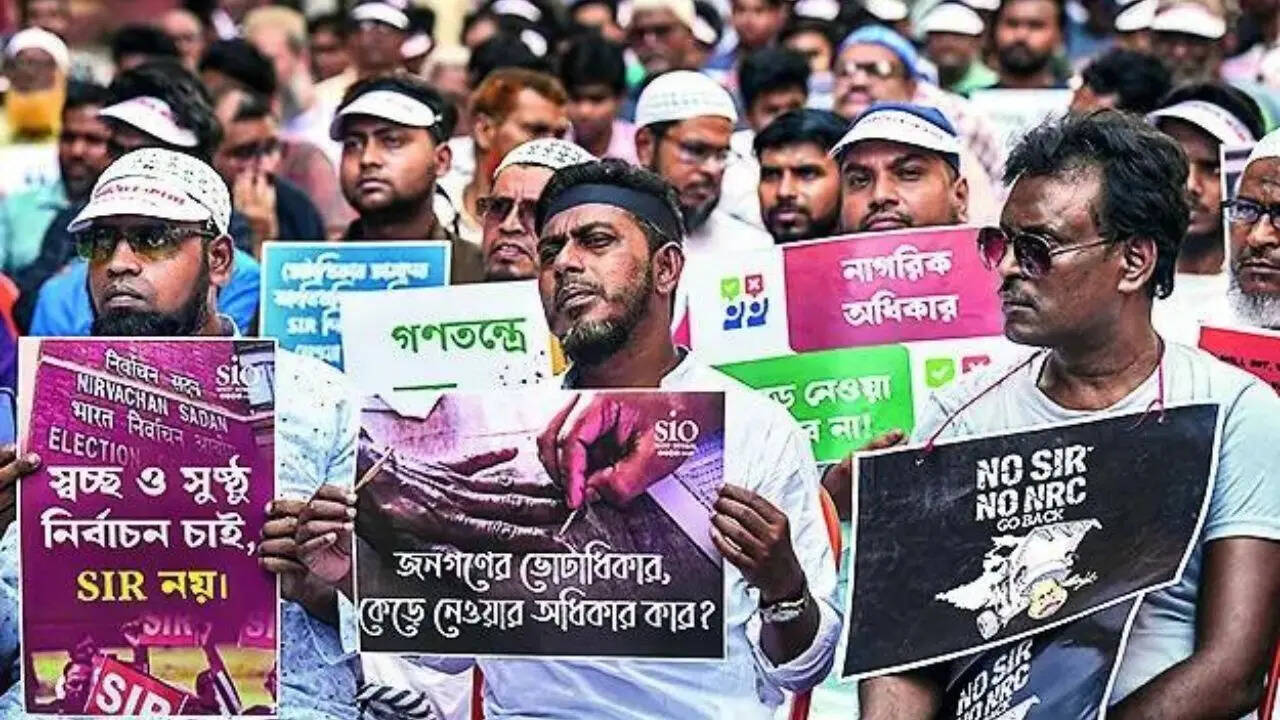
Voters in West Bengal are currently facing a period of deep uncertainty regarding their legal status and right to vote. A process known as the Special Inquiry Report (SIR) has been used to flag certain individuals, but there is a major lack of information on how these cases will be resolved. Many residents find themselves stuck because there are no clear rules or schedules for the legal hearings that are supposed to happen in special courts called tribunals. This situation has left thousands of people worried about their future and their ability to participate in upcoming elections.
Main Impact
The primary impact of this confusion is the potential loss of voting rights for a large number of people. When a person is marked under an SIR, their citizenship or residency status is put under a cloud of doubt. Without a clear way to defend themselves in a hearing, these individuals cannot clear their names. This creates a state of legal limbo where people are neither fully cleared nor officially disqualified. The lack of a set process means that families are living in fear of losing their identity and their voice in the government.
Key Details
What Happened
The issue started when local authorities began filing Special Inquiry Reports to verify the details of certain voters. This is often done to ensure that only eligible citizens are on the voter lists. However, once a report is filed that questions a person's status, the case is supposed to go to a tribunal. In West Bengal, the system for these hearings has not been clearly explained to the public. Voters do not know which documents they need to bring, where they need to go, or when their cases will be heard. This lack of a roadmap has turned a routine verification process into a source of great stress.
Important Numbers and Facts
While the exact number of people affected changes as new reports are filed, thousands of residents across various districts in West Bengal are believed to be impacted. The SIR process is handled by local administrative officers, but the legal follow-up is the responsibility of the tribunals. Currently, there is no public manual or guide that explains the step-by-step procedure for these hearings. Many affected individuals are from poor backgrounds and do not have easy access to legal help, making the lack of official guidance even more harmful.
Background and Context
West Bengal is a state with a long history of complex migration and border issues. Because of this, the government often carries out checks to keep voter lists accurate. In recent years, there has been a lot of talk about the National Register of Citizens (NRC) and other verification methods. This has made people very sensitive to any government report that questions their status. The SIR is one of the tools used by the Election Commission and local officials to flag "doubtful" cases. In a healthy democracy, there should be a fast and clear way for people to prove their status, but the current system in West Bengal is failing to provide that speed and clarity.
Public or Industry Reaction
Social activists and legal experts have expressed strong concerns about the current situation. They argue that it is unfair to put someone's rights on hold without giving them a fair chance to speak. Many community leaders have pointed out that the people being flagged are often the ones who have lived in their villages for decades but might lack perfect paperwork. Lawyers have called for the government to release a clear set of rules so that the tribunals can work fairly. On the ground, there is a sense of frustration among voters who feel that they are being punished by a slow and silent bureaucracy.
What This Means Going Forward
If the government does not provide clear instructions soon, the number of unresolved cases will continue to grow. This could lead to a massive backlog in the courts and leave many people unable to vote in the next big election. The next step should be for the state authorities or the Election Commission to publish a simple guide for the public. This guide needs to explain how to respond to an SIR and what happens during a tribunal hearing. Without this, the legal system will remain blocked, and the trust between the people and the government may weaken. There is also a risk that this confusion could be used for political gain, which would further hurt the democratic process.
Final Take
The right to vote is one of the most important parts of being a citizen. When the process to protect that right becomes confusing and hidden, it hurts everyone. West Bengal needs a system that is both secure and easy to navigate. Providing clear information about the SIR and tribunal hearings is not just a legal requirement; it is a matter of basic fairness. The authorities must act quickly to ensure that no genuine citizen is left behind due to a lack of information or a broken administrative process.
Frequently Asked Questions
What is a Special Inquiry Report (SIR)?
An SIR is a report created by local officials to check if a voter’s information is correct or if their citizenship status is valid. It is used to flag cases that need more investigation.
Why are the tribunal hearings causing confusion?
The hearings are confusing because there are no public guidelines on how they work. Voters do not know the dates, the locations, or the specific documents required to prove their status.
Can a person still vote if they are under an SIR?
In many cases, being under an SIR or being flagged as a doubtful case can lead to a person's name being removed or put on hold in the voter list, preventing them from voting until the case is cleared.



