
Summary
A massive review of voter lists in West Bengal has left millions of people unsure if they can vote in the upcoming elections. This process, known as the Special Intensive Revision (SIR), has placed around 60 lakh (6 million) voters in a category called "under adjudication." This means their right to vote is being questioned by officials. Many of those affected are from the Muslim community, including highly educated professionals who have lived in the state for generations. Despite showing valid documents like passports and Aadhaar cards, these citizens are waiting for judicial officers to decide their fate.
Main Impact
The biggest impact of this voter review is the potential loss of voting rights for a huge portion of the population. When a voter is placed "under adjudication," they are stuck in a legal waiting room. They do not know if they will be allowed to cast their ballot in the Assembly elections scheduled for next month. This uncertainty is causing widespread fear and frustration, especially because many of the issues involve tiny spelling mistakes made by government workers years ago. If these 6 million people are not cleared in time, it could significantly change the results of the election.
Key Details
What Happened
The Election Commission of India (ECI) is currently checking the voter rolls in West Bengal to ensure they are accurate. During this process, officials are comparing current voter information with records from as far back as 2002. If there is even a small difference in the spelling of a name or a father’s name, the voter is flagged. Many citizens have attended hearings to prove who they are, bringing every official document they own. However, even after showing passports, birth certificates, and property records, many are still not being cleared.
Important Numbers and Facts
The scale of this exercise is enormous. About 60 lakh voters are currently in this uncertain state. To handle these cases, the government has brought in 600 judicial officers from West Bengal and another 150 from nearby states. In specific areas like Bhabanipur, the data shows a worrying trend. While Muslims make up only 20% of the voters in that area, they represent over 56% of the people whose names are "under adjudication." This means they are being flagged at a rate nearly three times higher than expected based on their population size.
Background and Context
Voter list revisions happen periodically to remove the names of people who have died or moved away. However, the current SIR in West Bengal is much more intense than usual. It relies heavily on comparing modern data to data entry from 2002. Back then, many names were written down by hand or typed into basic computer systems by operators who often made spelling errors. For example, a name like "Naim" might have been typed instead of "Nayeem." Now, 24 years later, the ECI is asking voters to explain why those old records do not perfectly match their current legal documents.
Public or Industry Reaction
The reaction from the public has been one of anger and confusion. Several professors from Aliah University, a state government institution, have shared their stories. One head of department explained that his family has lived in the same village for five generations, yet he is now being asked to prove he is a valid voter. He submitted his passport and his father’s pension papers, but his status remains "under adjudication."
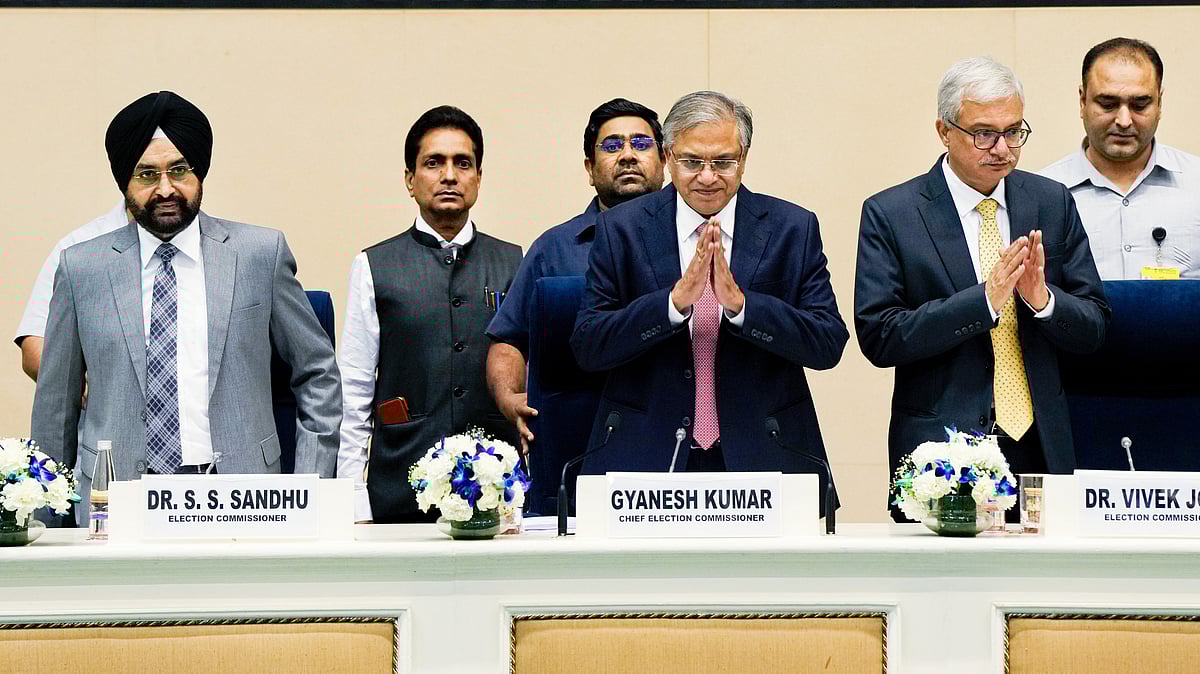
Research groups like the SABAR Institute have analyzed the data and raised concerns about bias. They point out that in areas where the ruling party usually wins, a very high number of Muslim voters are being flagged. When the Chief Election Commissioner visited Kolkata recently, he was asked why deceased fathers' name spellings were being used to disqualify their children. He did not provide an answer to these questions, leading to more public distrust.
What This Means Going Forward
The next few weeks are critical for the democracy of the state. The 750 judicial officers must work quickly to review millions of cases before the election begins. If the process is not transparent, there could be legal challenges in the courts. There is also a risk that many legitimate citizens will be left out of the democratic process simply because of clerical errors from decades ago. This situation has created a tense atmosphere as political parties prepare for a high-stakes battle in the Assembly elections.
Final Take
A voter list should be a tool for democracy, not a barrier to it. When millions of citizens with valid government IDs are told their status is "uncertain" due to minor spelling differences, it raises serious questions about the fairness of the system. The focus should be on helping every eligible citizen vote, rather than finding small technicalities to keep them away from the polling booth.
Frequently Asked Questions
What does "under adjudication" mean for a voter?
It means the Election Commission has flagged the voter's record due to a discrepancy. A judicial officer must now review their documents to decide if they are a valid voter. Until then, their right to vote is not confirmed.
Why are so many names being flagged now?
The current review is comparing modern voter data with records from 2002. Many flags are being raised because of small spelling differences or missing prefixes in names that were recorded over 20 years ago.
Can people still vote if they are on this list?
Currently, their status is uncertain. The goal of the judicial review is to clear these names before the election. If they are not cleared in time, they may not be allowed to cast their vote next month.

