Summary
A small research group in Kolkata called the SABAR Institute has raised serious concerns about voter list changes in West Bengal. Their study shows that a new category called "logical discrepancy" has led to the removal of millions of names from the voting rolls. The data suggests that these removals have unfairly targeted Muslim voters more than any other group. This discovery has put the Election Commission of India (ECI) under intense scrutiny just as the state prepares for major elections.
Main Impact
The biggest impact of this research is the discovery of a massive shift in how voters are being removed. While initial deletions for reasons like death or moving house seemed normal, the introduction of an AI-driven "logical discrepancy" filter changed everything. This new system flagged an additional 60 lakh (6 million) people as suspicious. In many areas, over half of the people removed under this new rule are Muslims, even in places where they make up a smaller part of the population. This has created a massive hurdle for millions of citizens who now have to prove their right to vote in a very short amount of time.
Key Details
What Happened
The Election Commission of India conducted a Special Intensive Revision (SIR) to clean up the voter lists in West Bengal. At first, the process seemed standard. About 58 lakh names were removed because people had died, moved, or were listed twice. However, the situation changed when the ECI introduced a new technical category to find "logical errors" in the data. This second round of checks flagged millions more voters, many of whom had already provided the correct documents to prove they were eligible.
Important Numbers and Facts
The draft list from December 2025 included 7.04 crore voters. The initial removal of 7% of the voters was considered normal and matched population trends. However, the "logical discrepancy" category flagged 1.32 crore voters in total. The SABAR Institute found that in some Kolkata neighborhoods, Muslim names made up 80% to 90% of the flagged list. Even though the Supreme Court ordered the ECI to release these lists clearly, researchers say the data has been hidden behind difficult website formats and watermarked files that are hard to read.
Background and Context
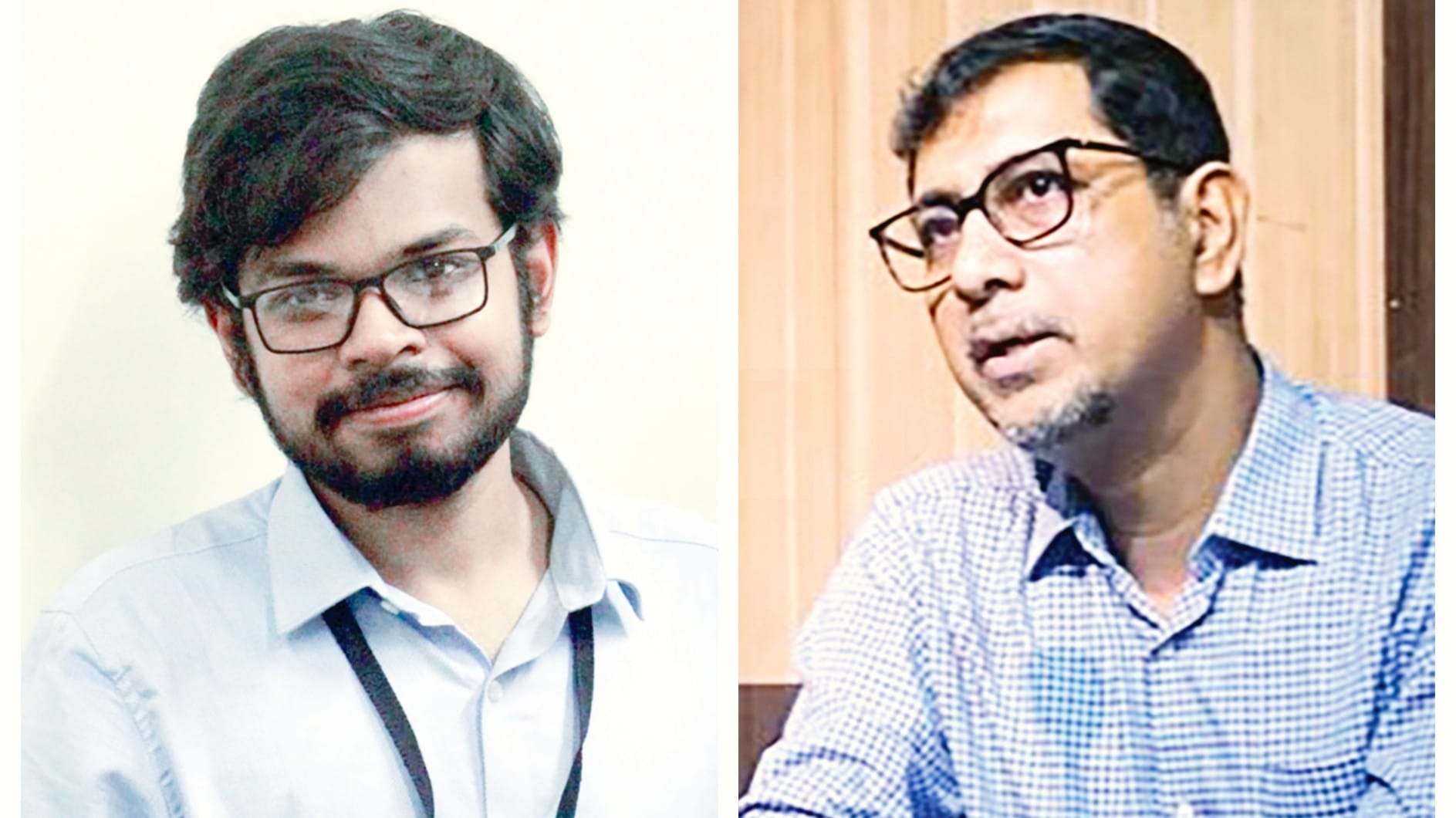
The SABAR Institute is a small team of data experts, economists, and students led by Sabir Ahamad. They use data science to ensure that public information is accurate and fair. This issue matters because the right to vote is the most important part of a democracy. If the software used to manage voter lists has a bias or makes mistakes based on how names are spelled, it can stop thousands of honest people from voting. In West Bengal, there have been long-standing political debates about migration and identity, making the accuracy of voter lists a very sensitive topic.
Public or Industry Reaction
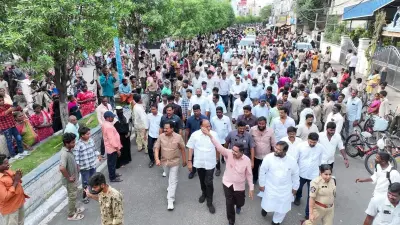
The reaction to these mass deletions has been tense. In some districts like Malda, angry residents even detained officials to protest the removal of their names. Political groups have also weighed in, with some claiming the lists are being manipulated. The SABAR Institute team noted that when they first shared their findings, the ECI invited them for a meeting. While the officials were polite, they seemed surprised that such a small team could analyze so much data so quickly. Researchers are also frustrated because the ECI has started releasing data in scanned PDF files instead of easy-to-read formats, which makes it much harder for the public to check the facts.
What This Means Going Forward
The next steps involve a difficult legal process for the flagged voters. People whose names were removed must now go before special tribunals to prove their identity. However, many of these tribunals are not yet fully working, even though the elections are just days away. There is also a call for more transparency regarding the computer programs used by the ECI. Experts want to know if the AI software was programmed with a bias that flags certain types of names more often than others. If these issues are not fixed, it could lead to many people being unable to vote on election day.
Final Take
Technology should make voting more reliable and easier for everyone. However, the findings in West Bengal suggest that when data tools are used without enough transparency, they can create new problems. Ensuring that every legal citizen can vote is essential for a fair election, and the current "logical discrepancy" system appears to be falling short of that goal.
Frequently Asked Questions
What is a "logical discrepancy" in a voter list?
It is a category used by the Election Commission to flag voter records that seem to have errors, such as small differences in name spellings or dates between different years of the voter list.
Why are researchers worried about the new voter lists?
Researchers found that the new system flags a very high number of Muslim voters for removal, even when those voters have all the correct identity documents like Aadhaar and PAN cards.
What can a voter do if their name is flagged?
A voter must appear before an appellate tribunal with their original documents to prove their identity and ask for their name to be put back on the list.