
Summary
In the heart of West Bengal’s most productive farming regions, a sense of deep worry is overshadowing the upcoming elections. Farmers in areas known for their rich soil and high crop yields are facing a severe financial crisis due to rising costs and falling profits. While political parties compete for votes, the people who grow the food say they are struggling to survive. This agrarian distress has now become a central theme for voters in this vital belt.
Main Impact
The primary impact of this crisis is a shift in the political mood of rural West Bengal. For years, these districts were seen as strongholds for whoever held power, but the current economic pain is making voters restless. Farmers are no longer satisfied with small cash gifts or temporary relief. They are demanding structural changes, such as guaranteed prices for their crops and cheaper supplies. This anger could influence the election results in several key seats where the farming community makes up the majority of the population.
Key Details
What Happened
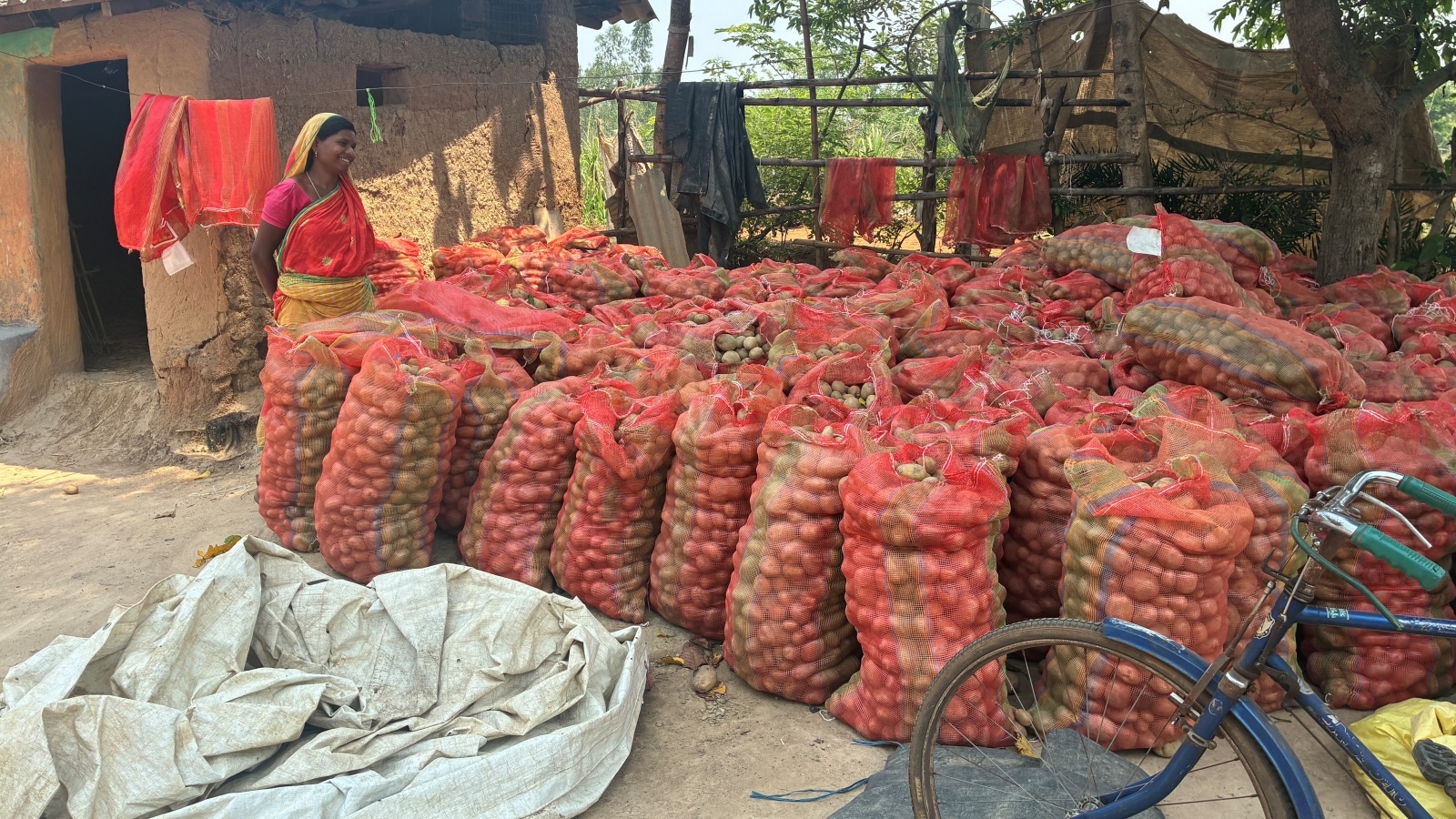
In districts like Hooghly, East Bardhaman, and parts of Medinipur, the cost of living and the cost of farming have both gone up. Farmers report that the price of seeds, fertilizers, and pesticides has doubled in some cases over the last few years. At the same time, the price they receive for their main crops, especially potatoes and paddy, has remained low or unpredictable. Many farmers have been forced to take out loans from local moneylenders at high interest rates because they cannot get enough credit from banks.
Important Numbers and Facts
West Bengal is one of the largest producers of potatoes in India, with the Hooghly district alone producing a massive portion of the state's total. However, this year, many growers had to sell their harvest for as little as 400 to 500 rupees per quintal, while their cost of production was much higher. Additionally, the price of a bag of essential fertilizer has risen by nearly 30% in some local markets. While the state government provides some financial aid through the Krishak Bandhu scheme, many farmers say the 10,000 rupees per year is not enough to cover even a fraction of their rising diesel and labor costs.
Background and Context
The "fertile belt" of Bengal has always been the state's pride. The land is watered by many rivers and can grow multiple crops a year. Because the soil is so good, the people here have relied on farming for generations. However, the system is broken. There are not enough cold storage units to keep vegetables fresh, which forces farmers to sell their crops immediately after harvest when prices are at their lowest. Middle-men, often called "farias," take a large cut of the profit, leaving the actual workers with very little money. This has turned a naturally wealthy area into a place of debt and stress.
Public or Industry Reaction
The reaction from the ground is one of exhaustion. In village tea shops and local markets, the talk is rarely about big national issues and almost always about the price of diesel and the lack of a Minimum Support Price (MSP) for vegetables. Local farmer unions have held small protests, demanding that the government buy their crops directly. On the political side, the ruling party points to its welfare schemes as a success, while the opposition blames the government for failing to build factories or improve irrigation. However, many voters say they feel ignored by both sides once the election is over.
What This Means Going Forward
If the issues of the farming community are not addressed, the region faces a serious risk of labor loss. Many young people in these villages are already looking for work in other states like Kerala or Maharashtra because they see no future in the fields. This "migration of the youth" leaves only the elderly to manage the farms, which could lead to lower food production in the future. For the government that wins the election, the first priority will have to be fixing the supply chain and ensuring that farmers get a fair share of the final market price.
Final Take
The fertile fields of Bengal are full of life, but the people who tend them are losing hope. This election is more than just a choice between parties; it is a plea for help from a community that feels pushed to the edge. Without real changes to how crops are bought and sold, the distress in this belt will only grow deeper, no matter who wins the vote.
Frequently Asked Questions
Why are farmers in West Bengal angry?
Farmers are upset because the cost of seeds and fertilizer has gone up, but the money they earn from selling crops like potatoes has stayed very low. They are also struggling with high debt and a lack of storage facilities.
What is the Krishak Bandhu scheme?
It is a West Bengal government program that gives financial help to farmers. While it provides some cash every year, many farmers say it is not enough to cover the high costs of modern farming and fuel.
How does this affect the elections?
Since a large number of voters in these districts are farmers, their financial problems are a major issue. Candidates are being forced to answer tough questions about crop prices and irrigation instead of just talking about general politics.



