Summary
West Bengal is seeing a massive security buildup as it prepares for the next phases of voting on April 23 and April 29. In a rare move, the heads of five major central security forces met in Kolkata to plan their strategy. While the goal is to ensure a peaceful election, the heavy presence of nearly 200,000 personnel has sparked a heated debate. Critics and local leaders are questioning if the forces are staying neutral or if their presence is being used to pressure voters and political workers.
Main Impact
The scale of this security operation is one of the largest ever seen for a state election in India. With 2,500 companies of central forces stationed across the state, the daily life of citizens is being affected. Beyond the political tension, the deployment has caused practical problems, such as the closing of schools and the delay of important exams. The high-pressure environment is also taking a toll on the security personnel themselves, leading to concerns about their mental health and well-being while on duty.
Key Details
What Happened
The chiefs of the CRPF, BSF, CISF, SSB, and ITBP gathered in Kolkata for a high-level meeting. This joint gathering is highly unusual for a state-level election. They met to build an integrated security plan to cover the upcoming polling dates. The meeting was meant to show strength and readiness, but it has instead led to worries about how these forces will behave on the ground. Several districts have already reported incidents where the conduct of these forces was questioned by local residents and political parties.
Important Numbers and Facts
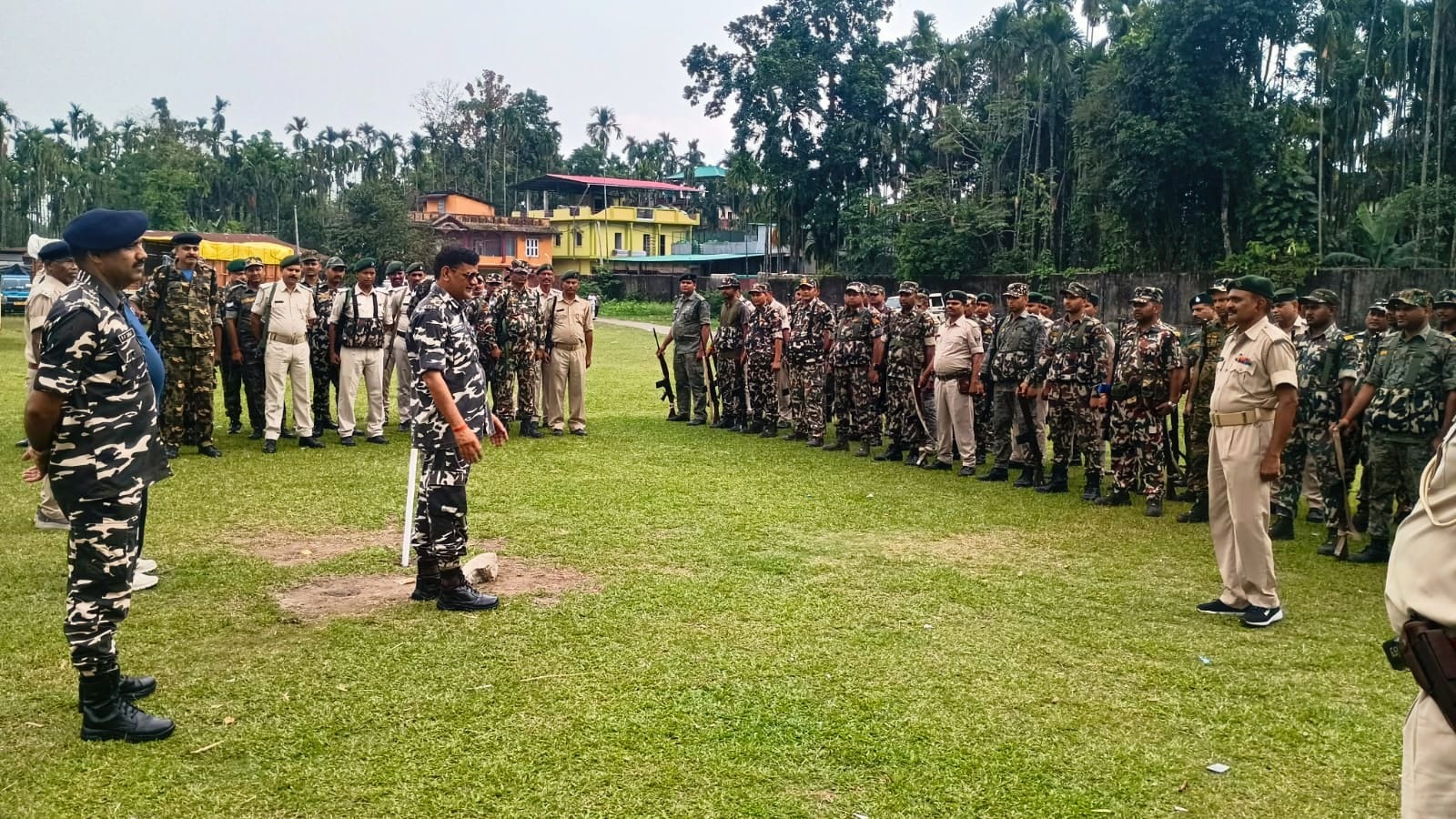
The numbers behind this deployment are significant. Approximately 2,500 companies, which equals about 2 lakh (200,000) personnel, are currently in West Bengal. This massive force is spread across various districts to monitor the voting process. In addition to the physical presence, the Election Commission is using technology like AI-enabled CCTV and GPS tracking to keep an eye on the movements of the security teams. Despite these high-tech tools, human conflicts remain a major issue in several areas.
Background and Context
Elections in West Bengal have a history of being tense and sometimes violent. Because of this, the Election Commission often sends central forces to help local police keep order. Usually, these forces work in smaller numbers. However, this year, the scale has increased dramatically. The decision to bring in the top leaders of all five central forces suggests that the authorities view this election as a high-risk event. This "war-like" preparation has made many people feel that the state is under a different kind of pressure than in previous years.
Public or Industry Reaction
The reaction to the security surge has been split along political lines. The ruling Trinamool Congress (TMC) has accused the central forces of acting in favor of the BJP. In Malda, party workers claimed that security personnel visited their homes to threaten them. In Sabang, a video went viral showing a security officer slapping a local leader. Chief Minister Mamata Banerjee has even suggested that central agencies are being used to move illegal money and goods into the state.
On the other side, the BJP has dismissed these claims. They argue that the forces are necessary to stop local violence and that the TMC is only complaining because they can no longer control the polling booths. Meanwhile, educators are frustrated. Many government schools are being used to house the soldiers, which has forced teachers to postpone exams. Students and parents are left waiting to find out when regular classes and tests will resume.
What This Means Going Forward
As the state moves toward the final days of voting, the focus will be on whether the central forces can remain truly neutral. If more reports of intimidation surface, it could damage the public's trust in the election results. There is also a growing need to address the stress faced by the soldiers. The reported suicide attempt by a jawan in Murshidabad shows that the long hours and high-pressure environment are dangerous for the personnel as well. After the voting ends, the challenge will be to return the state to a sense of normalcy and vacate the schools so children can return to their studies.
Final Take
A fair election requires both safety and trust. While the massive security presence aims to provide safety, the growing list of complaints suggests that trust is currently low. The success of the West Bengal polls will depend not just on the number of boots on the ground, but on the fair and professional behavior of every officer involved.
Frequently Asked Questions
Why are there so many central forces in West Bengal?
The Election Commission deployed about 200,000 personnel to prevent violence and ensure that the voting process is peaceful, as the state has a history of election-related unrest.
How is the security deployment affecting schools?
Many government schools are being used as barracks to house the security forces. This has led to the postponement of exams and the suspension of regular classes in several districts.
What are the main complaints against the security forces?
Local leaders and residents have alleged that some personnel are using heavy-handed tactics, such as intimidating political workers at their homes and using physical force during confrontations.