
Summary
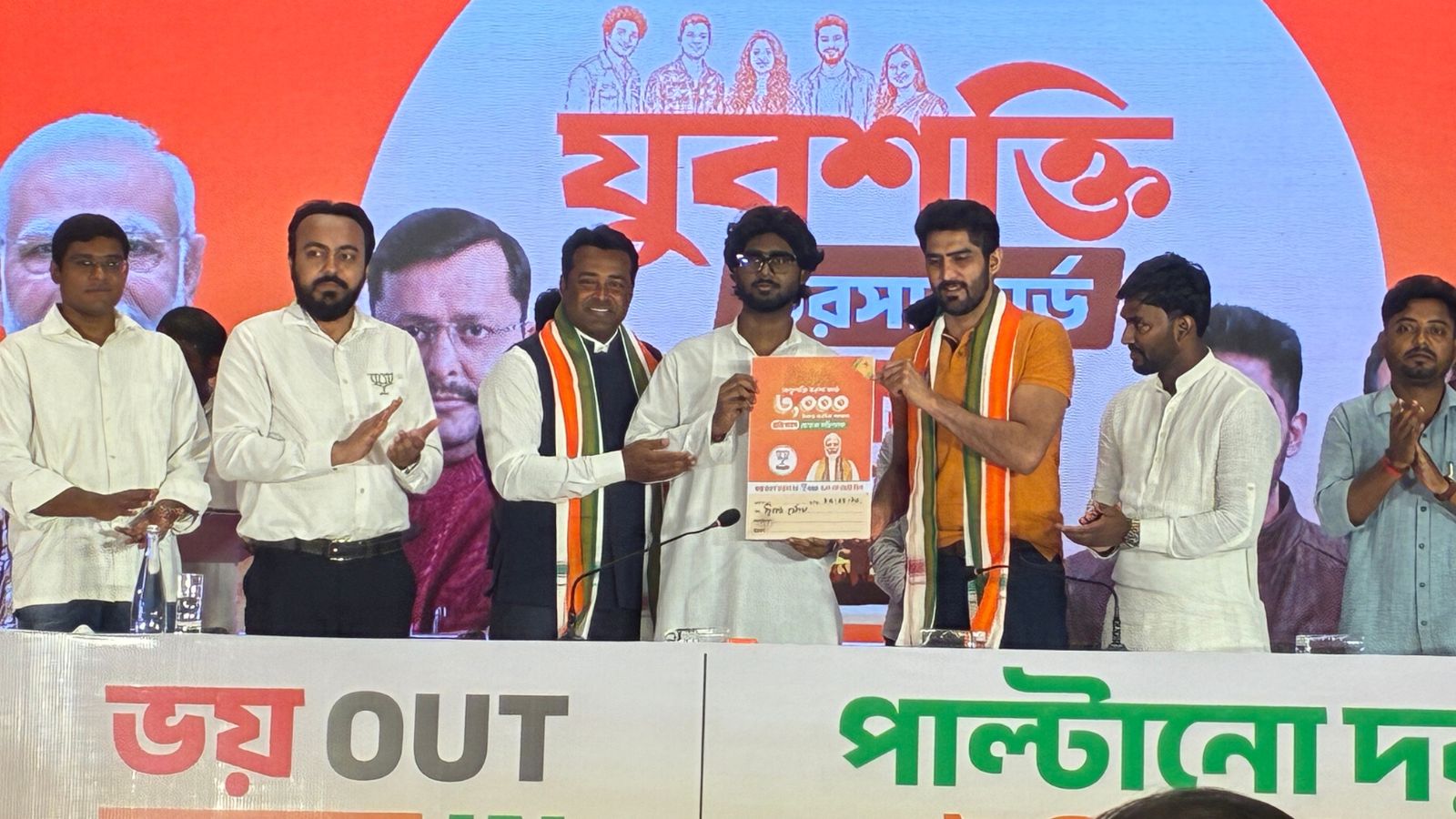
The political atmosphere in West Bengal has become more intense as the election season progresses. Tennis legend and BJP leader Leander Paes has publicly criticized the state government over the issue of youth migration, claiming that young people are forced to leave Bengal to find better jobs. Meanwhile, the Trinamool Congress (TMC) has approached the Election Commission to complain about the BJP’s "Matrishakti Bhorsa" card. The TMC argues that these cards are an illegal attempt to influence voters by promising financial rewards in exchange for support.
Main Impact
These developments highlight a major shift in how political parties are fighting for votes in West Bengal. On one side, the BJP is using high-profile figures like Leander Paes to talk about the lack of economic growth and the "brain drain" from the state. On the other side, the TMC is using legal channels to stop what they call "corrupt practices." This battle over jobs and welfare schemes is likely to define the final results of the election, as both parties try to win over the youth and female voters.
Key Details
What Happened
Leander Paes, who recently joined the political arena, spoke out about the difficulties faced by the people of West Bengal. He pointed out that many talented individuals are leaving their homes to work in cities like Bengaluru, Mumbai, and Delhi because they cannot find suitable work in their own state. He argued that the current government has failed to create an environment where businesses can grow and provide jobs for the local population.
At the same time, the TMC filed a formal complaint with the Election Commission of India (ECI). The complaint focuses on the BJP’s distribution of "Matrishakti Bhorsa" cards. These cards are being handed out to women across the state. The TMC claims that by giving these cards, the BJP is making a direct promise of money to voters, which they say is a violation of the Model Code of Conduct. This code is a set of rules that all parties must follow during an election to ensure the process is fair.
Important Numbers and Facts
The "Matrishakti Bhorsa" card reportedly promises a monthly financial benefit to women if the BJP comes to power. The TMC has alleged that the BJP is collecting personal data from thousands of women while distributing these cards. They claim this is a form of bribery. In their letter to the Election Commission, the TMC leaders stated that this move is a "clear attempt to buy votes." The BJP, however, maintains that this is simply a way to inform the public about their future welfare plans and is not a violation of any rules.
Background and Context
West Bengal has a long history of strong political competition. For years, the state has struggled with the issue of industrial growth. While other parts of India have seen a rise in technology and manufacturing jobs, many people feel that Bengal has stayed behind. This has led to a large number of workers, both skilled and unskilled, moving to other states to earn a living. This "migration" has become a sensitive topic that the BJP is using to challenge the ruling TMC.
Welfare schemes are also a huge part of Bengal's politics. The TMC government already has a very popular scheme called "Lakshmir Bhandar," which provides monthly cash to women. By introducing the "Matrishakti Bhorsa" card, the BJP is trying to offer a similar or better alternative to win over the female voting block, which is a very powerful group in the state.
Public or Industry Reaction
The reaction to these events has been divided. Supporters of the BJP believe that Leander Paes is right to highlight the job crisis. They feel that a fresh perspective from a sports icon can bring more attention to the state's problems. They also defend the welfare cards as a legitimate campaign promise, similar to how other parties announce their manifestos.
On the other hand, TMC supporters and leaders are calling the BJP's tactics "desperate." They argue that the BJP is trying to trick people with fake promises because they cannot match the success of the current state schemes. Legal experts are now waiting to see how the Election Commission will react. If the Commission finds that the cards are indeed a form of bribery, it could lead to strict action against the BJP’s campaign activities.
What This Means Going Forward
The Election Commission’s decision on the "Matrishakti Bhorsa" card will be a major turning point. If the cards are banned, the BJP will have to find a new way to reach out to women voters. If the cards are allowed, it might set a new trend for how parties make promises during elections. The debate over migration will also continue to grow. As the election dates get closer, expect more high-profile leaders to talk about the economy and the future of the youth in Bengal.
Final Take
The current political fight in West Bengal is about more than just votes; it is about the vision for the state's future. While the BJP focuses on the need for industrial change and stopping migration, the TMC is focused on protecting its welfare programs and accusing its rivals of breaking election laws. Both parties are working hard to prove they are the best choice for the people, making this one of the most watched political battles in the country.
Frequently Asked Questions
What is the "Matrishakti Bhorsa" card?
It is a card distributed by the BJP in West Bengal that promises financial assistance to women if the party wins the election. The TMC claims it is an illegal way to influence voters.
Why is Leander Paes criticizing the Bengal government?
Leander Paes, a BJP member, is criticizing the government because he believes many young people are leaving West Bengal to find jobs in other states due to a lack of local opportunities.
What did the TMC ask the Election Commission to do?
The TMC asked the Election Commission to stop the BJP from distributing the "Matrishakti Bhorsa" cards, arguing that the cards violate election rules by promising money in exchange for votes.



