Summary
West Bengal is preparing for the first phase of its assembly elections on April 23, 2026. This opening round is a major test for both the ruling Trinamool Congress (TMC) and the Bharatiya Janata Party (BJP). The election has become a battle between two different ideas for the state's future. While the TMC is focusing on its history of social welfare programs, the BJP is promising a complete change in governance, including new laws and better security. With millions of voters ready to head to the polls, the state is under heavy security to ensure the process remains peaceful.
Main Impact
The results of this first phase will likely set the mood for the rest of the election. It is not just about winning seats; it is about which message the people believe more. If the TMC does well, it proves that their welfare schemes are still popular. If the BJP gains ground, it shows that their call for "change" and focus on issues like border security and corruption is working. This phase covers a large area, including parts of North Bengal and several southern districts, making it a diverse test of voter sentiment across different regions.
Key Details
What Happened
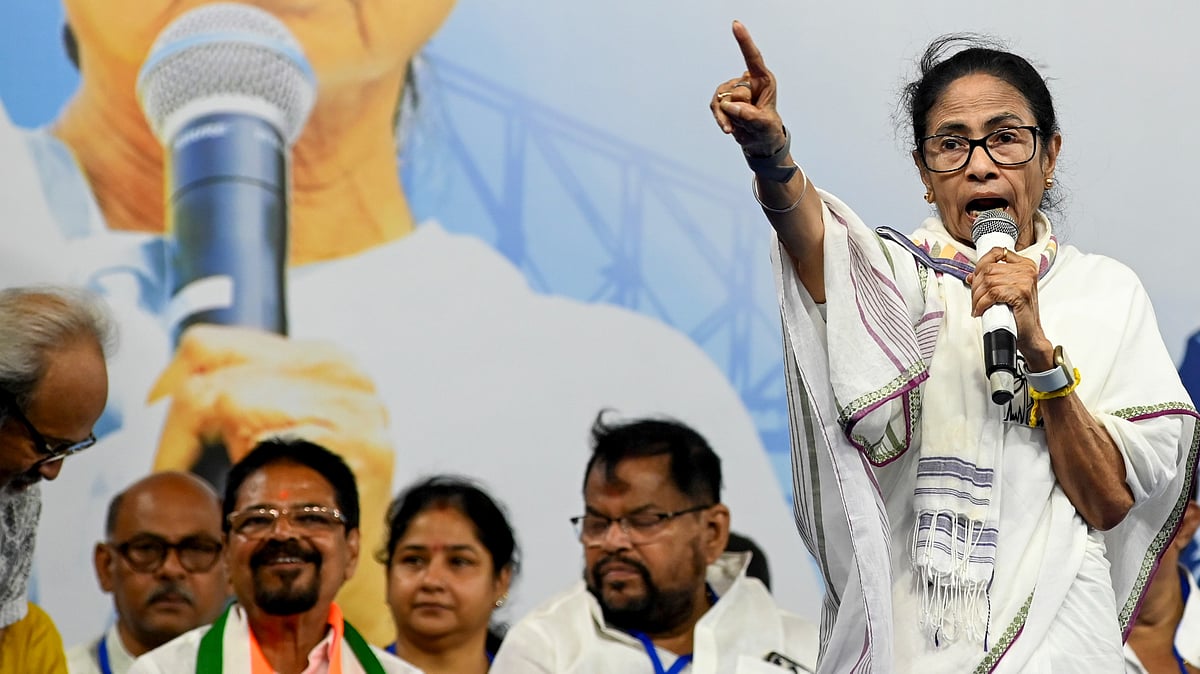
The official campaign period for the first phase ended on the evening of April 21. For weeks, top leaders from both parties traveled across the state to win over voters. Prime Minister Narendra Modi and Home Minister Amit Shah led the charge for the BJP, while Chief Minister Mamata Banerjee and Abhishek Banerjee spearheaded the TMC campaign. The debate has been intense, touching on everything from local food habits to national security laws. Now, a "silence period" is in effect, meaning no more public rallies or loud campaigning is allowed until voting is over.
Important Numbers and Facts
The scale of this first phase is massive. According to the Election Commission of India, 152 constituencies will go to the polls. Nearly 3.6 crore people are eligible to cast their votes. To keep the peace, the government has sent about 2,450 companies of central security forces. This adds up to roughly 2.5 lakh personnel on the ground. Security is especially tight at more than 8,000 polling stations that have been marked as "highly sensitive." To prevent any fraud, a new two-step check for voters has been put in place. Security officers will check IDs at the entrance, and booth officials will verify details again inside.
Background and Context
West Bengal elections are known for being very competitive and sometimes tense. For the past several years, the state has seen a direct fight between the TMC and the BJP. The TMC has ruled the state for over a decade, building its support through various cash transfer programs and local development. On the other hand, the BJP has grown quickly in the state by criticizing the current government over issues like political violence and illegal immigration. This election is happening at a time when voters are worried about jobs, rising prices, and how the state is managed.
Public or Industry Reaction
The reaction from both political camps has been sharp. The BJP claims that the people of Bengal are tired of the current leadership and want a "double engine" government that works with the central government. They have promised to give Rs 3,000 every month to women and to bring in the Uniform Civil Code (UCC) quickly. The TMC has reacted by calling these "false promises." They remind voters of past promises made by the BJP that they claim were never kept, such as creating millions of jobs. Local residents in areas like the tea gardens of North Bengal are watching closely, as their daily wages and land rights are major parts of the political discussion.
What This Means Going Forward
The focus is now on high-profile seats like Nandigram. This area is famous because it was the site of a major political battle in the last election. If the BJP wins here, it will be a huge boost to their morale. Other areas like Siliguri and Darjeeling will show how the people in the hills and border towns feel about the government's performance. Moving forward, the strict security measures will be a test for the Election Commission. If this phase passes without violence, it will build confidence for the later stages of the election. However, any signs of trouble could lead to even more tension in the coming weeks.
Final Take
This election is a clear choice between staying the course with current welfare policies or taking a risk on a new direction. The heavy presence of security forces shows how important it is to keep the voting fair and safe. As the first 152 constituencies vote, the rest of the country will be watching to see which way the wind is blowing in West Bengal. The real winner will be the party that can convince the common citizen that their daily life will actually get better after the ballots are counted.
Frequently Asked Questions
When is the first phase of the West Bengal election?
The first phase of voting is scheduled to take place on April 23, 2026, covering 152 constituencies across the state.
What are the main promises made by the BJP?
The BJP has promised to provide Rs 3,000 monthly aid for women, implement the Uniform Civil Code (UCC) within six months, and provide better benefits for state employees.
How much security is being used for this phase?
Around 2.5 lakh central security personnel have been deployed, and over 8,000 polling stations are being extra-monitored to ensure a peaceful voting process.