
Summary
The first phase of the West Bengal elections has reached a high-pressure finish. As the campaigning period ended, the air was filled with loud speeches, personal insults, and sharp taunts between rival parties. The Trinamool Congress (TMC) and the Bharatiya Janata Party (BJP) spent their final hours trying to convince voters in the northern part of the state. This phase is critical because it sets the tone for the rest of the election weeks ahead. The intense verbal battles show how much is at stake for both the state government and the central government.
Main Impact
The aggressive nature of the final campaign hours has created a very tense environment for voters. Instead of focusing only on development or local issues, the top leaders used strong language to attack the character and honesty of their opponents. This strategy aims to stir up emotions and ensure a high turnout at the polling booths. However, it also raises concerns about potential clashes between party workers on the day of the vote. The heavy use of name-calling has overshadowed some of the basic needs of the people, making the election feel more like a personal battle between leaders.
Key Details
What Happened
In the final stretch, the campaign moved from policy debates to personal attacks. Chief Minister Mamata Banerjee led the charge for the TMC, traveling across North Bengal. She used her speeches to warn people about national policies like the NRC and CAA, calling the BJP a party of "outsiders" who do not understand Bengal's culture. She also used sharp words to describe local BJP candidates, questioning their work over the last few years.
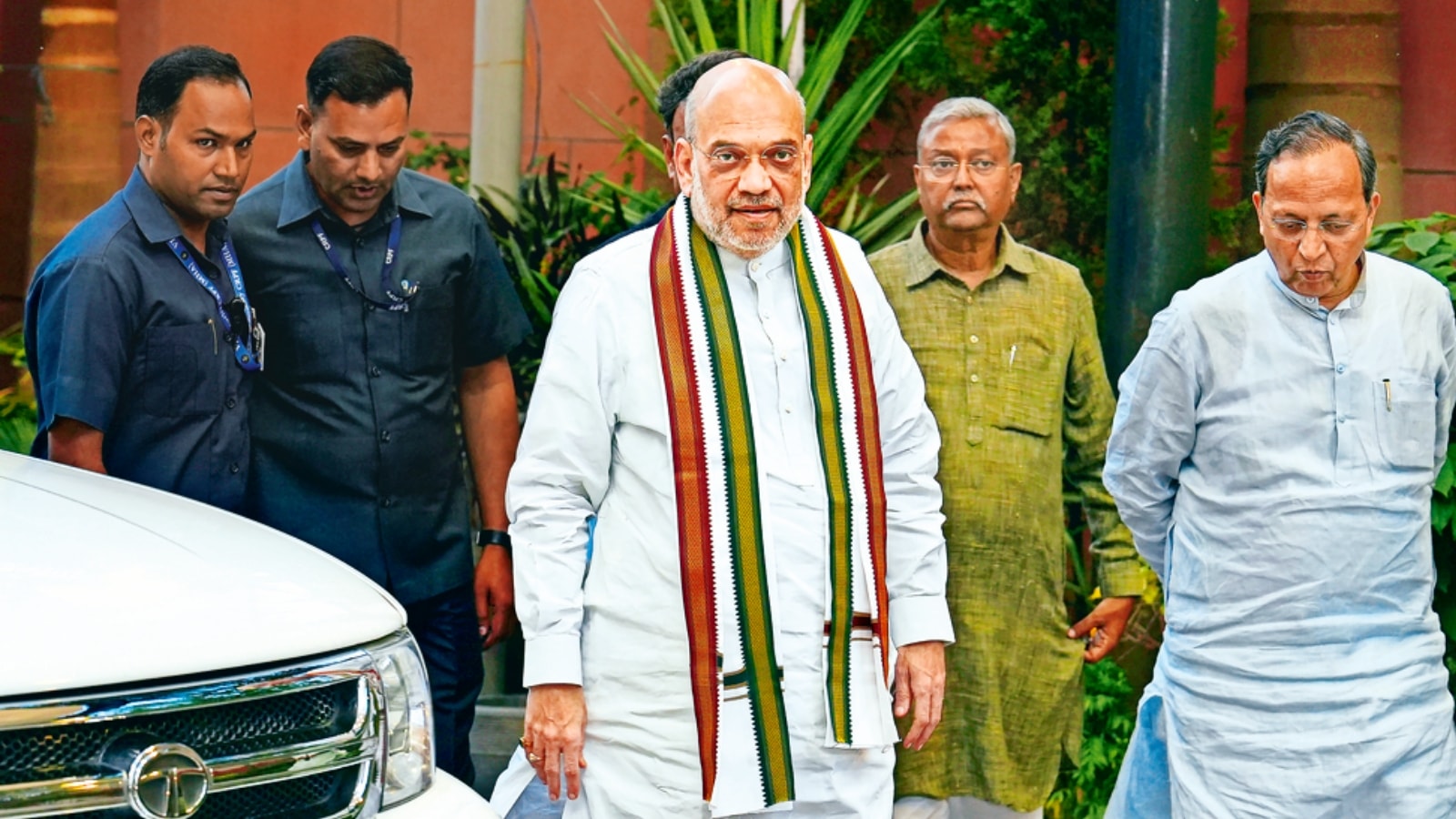
On the other side, the BJP sent its top national leaders to the region. They focused heavily on the issue of corruption. Leaders like Amit Shah and local representatives called the TMC government a "mafia raj" and used terms like "thieves" to describe state officials. They brought up recent scandals and promised to "clean up" the state if they won. The rhetoric was not just about winning seats but about painting the opponent as an enemy of the people.
Important Numbers and Facts
The first phase covers three major seats in North Bengal: Cooch Behar, Alipurduar, and Jalpaiguri. These areas are home to more than 5.6 million eligible voters. To ensure safety, the Election Commission has deployed a massive force of central security personnel. Over 250 companies of central forces are stationed across these three districts. In the 2019 elections, the BJP won all three of these seats, which makes this a "must-win" battle for them to maintain their influence, while the TMC is fighting to regain lost ground.
Background and Context
West Bengal has a long history of intense political competition. Unlike many other states, elections here are often marked by strong local loyalty and, sometimes, physical conflict. North Bengal is particularly important because it has a different set of problems compared to the southern part of the state. Issues like tea garden wages, tribal rights, and border security are very important here. In recent years, the BJP has grown strong in this region by promising better central support. The TMC is trying to counter this by highlighting its own social welfare schemes, such as direct cash transfers to women, which they believe will win back the voters.
Public or Industry Reaction
The public reaction is mixed. While many supporters enjoy the high-energy rallies and the bold speeches of their leaders, neutral voters often express worry about the rising heat of the language used. Local business owners in the campaign areas reported a temporary boost in sales due to the large crowds, but many also closed their shops early on the final day to avoid any trouble. Political experts say that the use of taunts is a sign that both parties are nervous about the results. They believe that when the race is close, leaders use personal attacks to keep their supporters excited and ready to vote.
What This Means Going Forward
The way this first phase ends will influence the next several weeks of voting in Bengal. If the voting day remains peaceful despite the angry words used during the campaign, it will be a success for the Election Commission. However, if the taunts lead to violence, it could result in even stricter rules for the later phases. For the parties, the results in these three seats will show if the "outsider" versus "insider" argument still works or if the focus on corruption is more convincing to the common person. The winners here will gain a psychological advantage that could help them in the rest of the state.
Final Take
The final hours of the Bengal campaign proved that the state remains one of the most hard-fought political arenas in the country. While the name-calling and taunts made for dramatic news, the real test lies with the voters. They must now decide if they want to vote based on the angry rhetoric they heard or the actual work done on the ground. The heavy security presence shows that the authorities are taking no chances, but the true spirit of the election will depend on whether the people can cast their ballots without fear.
Frequently Asked Questions
Which seats are voting in the first phase of the Bengal polls?
The first phase of voting takes place in three districts of North Bengal: Cooch Behar, Alipurduar, and Jalpaiguri.
Why was there so much name-calling during the campaign?
Leaders use sharp language and personal attacks to energize their supporters and draw attention to the perceived failures of their opponents when the competition is very tight.
What measures are in place to prevent violence?
The Election Commission has sent thousands of central security forces to the polling areas and is using drones and CCTV cameras to monitor the situation closely on voting day.



