Summary
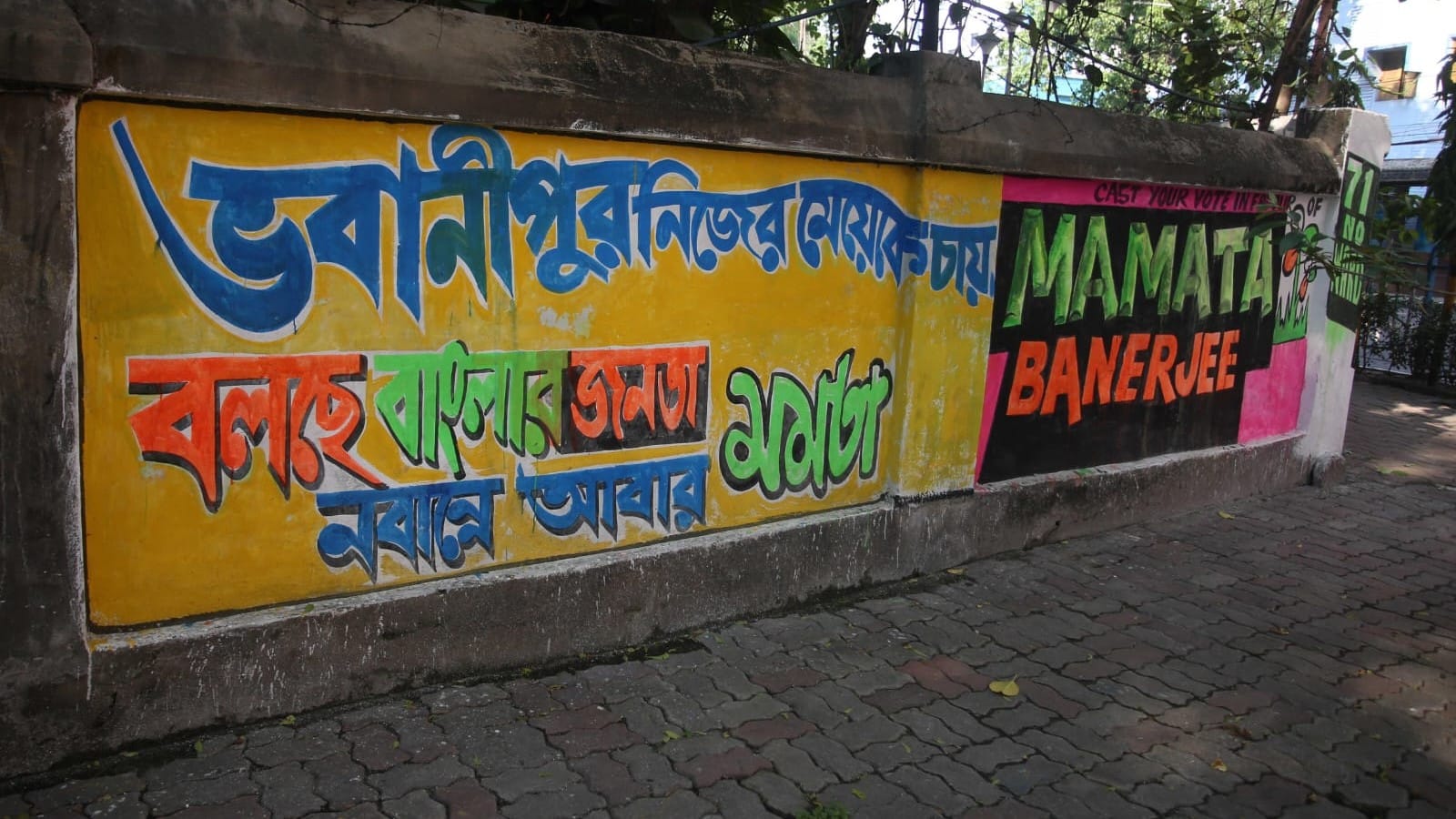
West Bengal is seeing a major change in how political parties run their election campaigns. For many years, the state was famous for its hand-painted wall slogans and political cartoons. As the 2026 Assembly elections get closer, these traditional methods are now competing with social media, digital videos, and plastic banners. However, wall writing remains a powerful tool for reaching local voters and showing a party's presence in a neighborhood.
Main Impact
The shift in campaigning is creating a hybrid model where old-school art meets modern technology. While parties spend a lot of money on Facebook and Instagram to reach young people, they are still fighting over physical wall space in villages and towns. This competition for "wall rights" has led to local disputes, proving that physical visibility is still just as important as a digital footprint. The move back toward wall painting is also helping local artists and reducing the use of plastic materials.
Key Details
What Happened
In several parts of West Bengal, political activity is picking up speed. In Madhyamgram, a row broke out over what some call "wall theft." Members of the Bharatiya Janata Party (BJP) claimed they painted walls to support their candidate, only to have supporters of the All India Trinamool Congress (TMC) paint over them later. These types of arguments show that every inch of space in a neighborhood is seen as a way to show control and influence.
In other areas like Katwa, wall writing is actually becoming more popular than printed flex banners. Local shopkeepers say they are selling more paint and fewer plastic banners this year. Artists are being hired to create custom rhymes and drawings that speak directly to the people living in specific streets.
Important Numbers and Facts
Political parties are focusing on specific welfare programs in their wall art. In the Chandrakona-II block, walls are covered with mentions of schemes like Lakshmir Bhandar, Kanyashree, and Krishak Bandhu. These programs provide financial help and support to women, students, and farmers. By putting these names on walls, the ruling party reminds voters of the help they have received. Meanwhile, the digital side of the campaign is huge, with IT cells working 24 hours a day to create memes and short videos that can reach thousands of phones in seconds.
Background and Context
The tradition of writing on walls in Bengal started decades ago, shortly after India’s first general election in 1952. Back then, parties did not have much money for expensive advertising, so they used paint and brushes. Over time, this became a form of local art. Bengal is known for its love of literature and poetry, so political slogans often use clever rhymes and humor to make a point. Even though the internet has changed how we get information, these walls act like a permanent billboard that people see every time they leave their homes.
Public or Industry Reaction
Local artists are happy to see a return to hand-painted slogans. They argue that paint is more flexible than a printed banner because it can be shaped to fit any wall. Environmental activists are also supporting the move away from plastic flex banners. These banners often end up in drains or rivers after an election, causing pollution. Wall paint is seen as a cleaner and more sustainable way to share a message. On the other side, younger voters seem to enjoy the digital battle, where parties use funny videos and memes to criticize their opponents.
What This Means Going Forward
As the 2026 elections approach, we can expect to see even more creative ways to get votes. Parties are not just using walls and websites; they are also giving out branded items like umbrellas, T-shirts, and bags. One of the most unique ideas is a custom Ludo board created by the TMC. In this game, images of party leaders represent the ladders that help players go up, while images of opposition leaders represent the snakes that make players go down. This shows that political messaging is moving into every part of daily life, from the streets to the living room.
Final Take
West Bengal’s political scene is a mix of deep history and new technology. While the internet allows for fast communication, the physical walls of the state still hold a special place in the hearts of voters. The battle for the 2026 elections will be fought on two fronts: the digital screens in people's pockets and the brick walls in their neighborhoods. This balance ensures that while the methods change, the colorful and vocal nature of Bengal's politics remains the same.
Frequently Asked Questions
Why is wall writing still popular in West Bengal?
Wall writing is a long-standing tradition that feels more personal and direct than digital ads. It allows parties to show they have a strong presence in a specific neighborhood and uses local humor and rhymes to connect with voters.
Is social media replacing traditional campaigning?
Social media is not replacing traditional methods but is working alongside them. While digital platforms help reach younger people quickly, physical walls and rallies are still needed to reach older voters and those in rural areas.
Are there environmental benefits to wall painting?
Yes. Many people prefer wall painting over flex banners because banners are made of plastic. Plastic banners often cause waste and pollution, whereas paint is seen as a more eco-friendly way to display political messages.