
Summary
The Indian government recently called for an all-party meeting to discuss the growing conflict in West Asia. While the meeting aims to brief political leaders on the situation, it has sparked a heated debate between the ruling BJP and Opposition parties. The main points of contention are the timing of the meeting and the absence of Prime Minister Narendra Modi from the scheduled discussion.
Main Impact
The disagreement between the government and the Opposition highlights a lack of political unity during a major global crisis. This friction could make it harder for India to present a single, strong voice on the world stage. As the war in West Asia affects oil prices and trade routes, the internal political divide in India adds another layer of complexity to how the country handles its foreign policy and economic safety.
Key Details
What Happened
The central government decided to bring together leaders from all major political parties to talk about the war in West Asia. However, instead of Prime Minister Narendra Modi leading the talk, Defence Minister Rajnath Singh is expected to chair the meeting. External Affairs Minister S. Jaishankar is also likely to be present to provide details on India's diplomatic stance. The Opposition quickly criticized this setup, calling the meeting "too little, too late."
Important Numbers and Facts
Opposition leaders pointed to historical examples to support their claims. They mentioned that during past global crises, former Prime Ministers like Manmohan Singh, Atal Bihari Vajpayee, and P.V. Narasimha Rao personally led such all-party meetings. The meeting comes shortly after the Prime Minister spoke in Parliament about the West Asia situation, but critics argue that a direct dialogue with all party heads is necessary for transparency.
Background and Context
The conflict in West Asia is a serious matter for India for several reasons. First, India relies heavily on this region for its energy needs, including crude oil and liquefied petroleum gas (LPG). Second, millions of Indian citizens live and work in West Asian countries, and their safety is a top priority for the government. Finally, the region is a major hub for global shipping. If trade routes are blocked or become dangerous, the cost of importing goods to India will rise, leading to higher prices for everyday items.
Public or Industry Reaction
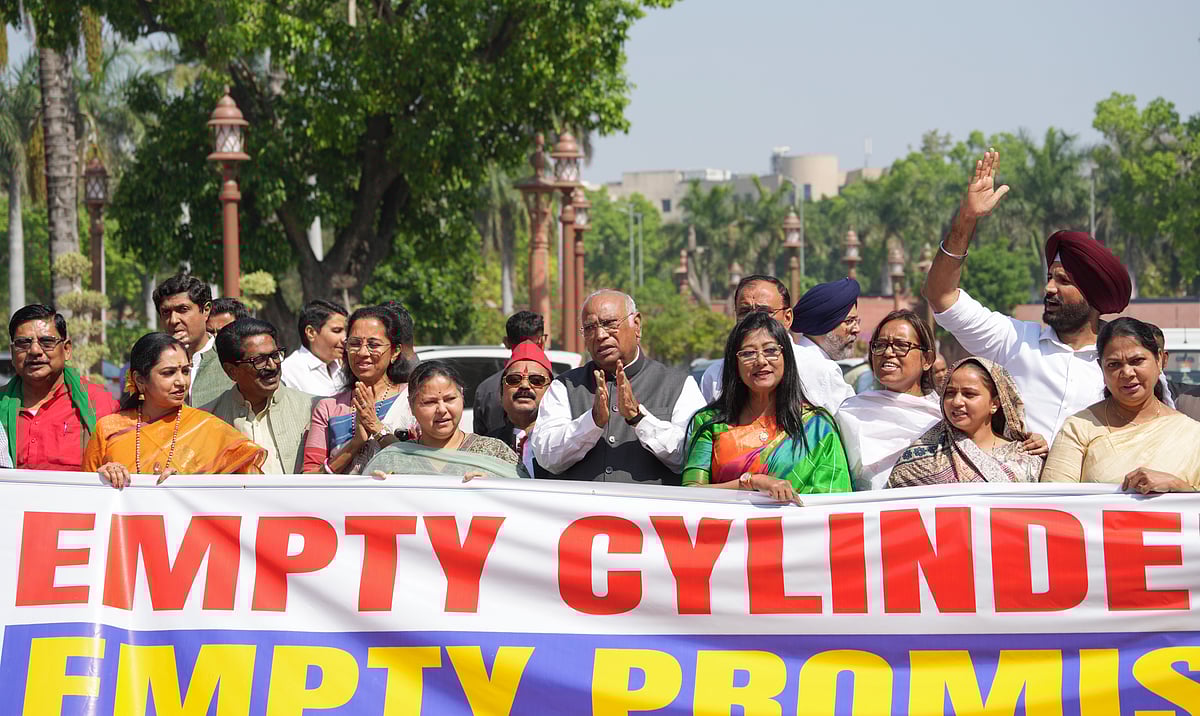
The Congress party and its allies have been very vocal about their disappointment. Congress leader Manickam Tagore stated that the Prime Minister should follow the tradition of leading these meetings himself. Other leaders, like Dimple Yadav from the Samajwadi Party, linked the international crisis to domestic problems, suggesting that the government's handling of ties with countries like Iran has already led to shortages in cooking gas supplies.
On the other side, the BJP has dismissed these claims as an attempt to gain political points. Union Minister Pralhad Joshi said that the government is taking all the right steps to protect India's interests. He urged the Opposition to show unity instead of making "irresponsible" comments during a sensitive time. BJP members also defended the Prime Minister, calling him a respected global leader who is working hard to promote peace in the region.
What This Means Going Forward
In the coming weeks, the government will need to show how it plans to protect India's economy from the shocks of the war. The all-party meeting is just the beginning of a longer process. If the conflict continues to grow, the government may face more pressure to explain its strategy for keeping fuel prices stable and ensuring the safety of Indian workers abroad. The political divide suggests that the government will face tough questions in Parliament regarding its foreign policy choices and its relationship with key players in West Asia.
Final Take
While the all-party meeting is a necessary step for a democracy, the current bickering shows how deeply divided India's political leaders are. In times of international trouble, a united front is usually the best way to protect national interests. Moving forward, the focus must shift from political blame to practical solutions that keep the Indian economy safe and maintain the country's influence on the global stage.
Frequently Asked Questions
Why is the West Asia crisis important for India?
India gets a large portion of its oil and gas from West Asia. Any war there can cause fuel prices to go up in India and affect the safety of millions of Indians working in that region.
Why is the Opposition unhappy with the all-party meeting?
The Opposition believes the meeting was called too late. They also feel that Prime Minister Narendra Modi should lead the meeting personally, rather than delegating it to other ministers.
Who is leading the meeting for the government?
Defence Minister Rajnath Singh is expected to chair the meeting, with support from External Affairs Minister S. Jaishankar.

