
Summary
West Bengal is currently facing a major political dispute over its voter lists. The Trinamool Congress (TMC) has accused the Bharatiya Janata Party (BJP) and the Election Commission of India (ECI) of manipulating the rolls to influence the upcoming elections. Millions of people have reportedly been removed from the lists, including high-ranking former officials and judges. This situation has led to widespread anger, protests, and serious questions about the fairness of the voting process.
Main Impact
The biggest impact of this situation is a deep loss of trust in the electoral system. When millions of citizens find their names missing from the voter rolls, it creates a sense of fear and unfairness. This has moved beyond simple political arguments and is now causing social unrest. In many parts of the state, people are threatening to block the elections entirely unless their names are put back on the lists. The heavy presence of central security forces has also added to the tension on the ground.
Key Details
What Happened
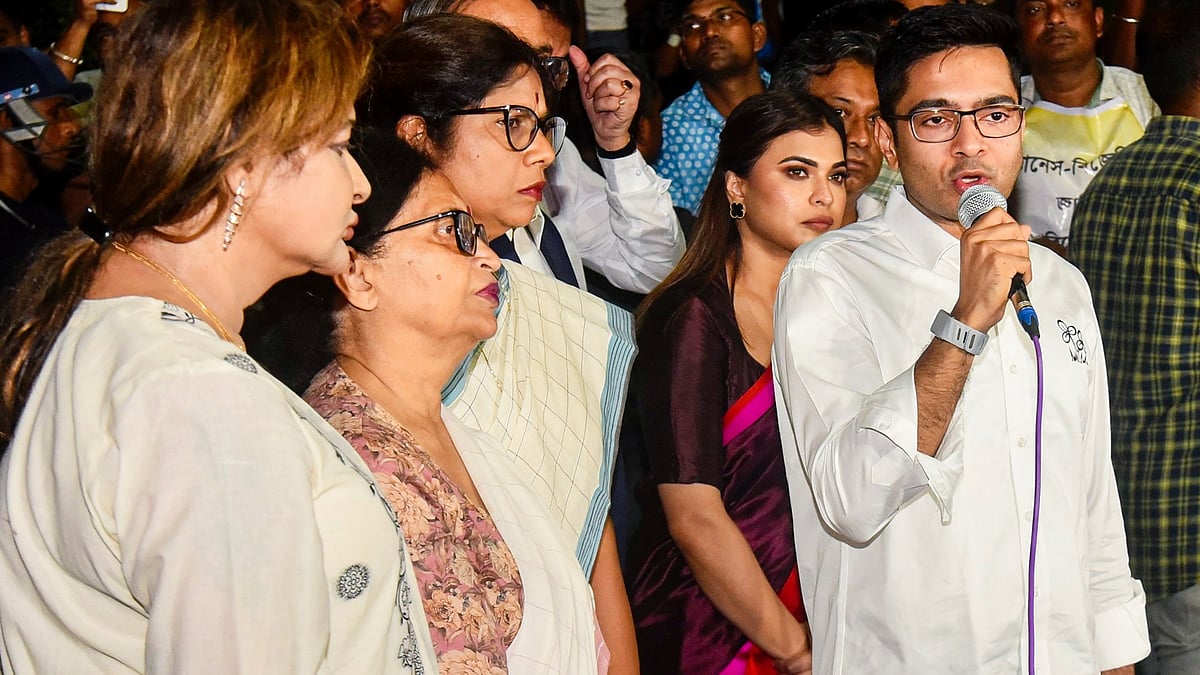
On the evening of March 30, 2026, a group of TMC leaders led by Abhishek Banerjee went to the office of the Chief Electoral Officer (CEO) in West Bengal. During this visit, they found a BJP worker carrying thousands of "Form 6" applications. These forms are used to register new voters. The TMC claims that these forms were being used to add people from other states, such as Gujarat, to the West Bengal voter lists. They shared videos showing a man from Gujarat who appeared to have a voter ID for West Bengal despite living in Ahmedabad.
Important Numbers and Facts
The scale of the changes to the voter rolls is massive. Reports suggest that in some areas, the number of people removed is very high. For example, in the Cooch Behar Dakshin area, about 6,800 voters were deleted. In one specific polling booth in Cooch Behar, the percentage of deleted voters jumped from 34 percent in December to 87 percent by the end of March. To manage the situation, the Election Commission has asked for 2,000 companies of central security forces. This is a huge increase from the 700 companies used in the 2021 elections.
Background and Context
The Election Commission started a process called Special Intensive Revision (SIR). The goal was to clean up the voter lists by removing people who had died, moved away, or were not legal citizens. While this sounds like a standard procedure, the way it has been handled in West Bengal has caused confusion. Many people who have voted for decades suddenly found themselves "under adjudication," which means their status is being questioned. Simple issues, like a woman changing her last name after marriage, have led to people being removed from the rolls without a clear explanation.
Public or Industry Reaction
The reaction from the public has been one of shock and anger. Even prominent people have been affected. Usman Ghani, who was the state's Chief Electoral Officer from 2008 to 2010, found his name missing. A retired High Court judge, Justice Sahidul Munshi, was also removed. He pointed out that there is no clear way to appeal these decisions because the special courts set up for this purpose do not have clear rules yet.
Data shows that certain groups have been hit harder than others. In several districts like Malda and Murshidabad, over 90 percent of the people removed from the lists are from the Muslim community. This has led to claims of bias. In response, some villages have put up signs banning all political campaigning until the voter lists are fixed. There have also been protests where people carry black flags to show their unhappiness with the Election Commission.
What This Means Going Forward
The next few weeks will be critical for West Bengal. If the Election Commission does not provide a clear explanation for why so many people were removed, the legitimacy of the election results could be challenged in court. There is also a risk of physical clashes between protesters and security forces. The state government and the Election Commission need to find a way to restore public confidence. Without a clean and transparent voter list, the foundation of the democratic process in the state remains at risk.
Final Take
West Bengal is in a very tense state as the elections approach. The massive removal of voters and the claims of outside interference have created a crisis of confidence. For the elections to be seen as fair, every legal citizen must have the right to vote. Right now, many people feel that right is being taken away through a confusing and broken system.
Frequently Asked Questions
What is Form 6 in the election process?
Form 6 is the official document used by a person to apply to be included in the electoral roll as a new voter. It is meant for people who have turned 18 or have moved to a new area and need to register for the first time.
Why were so many people removed from the voter list?
The Election Commission says it is cleaning the lists to remove fake or dead voters. However, critics say the process is flawed and has accidentally or intentionally removed millions of genuine voters, including former government officials and long-time residents.
How can a person appeal if their name is missing?
Voters who have been left out are supposed to appeal to special judicial tribunals set up by the High Court. However, many people are finding this difficult because there are no clear instructions on how these tribunals work or what documents are needed to prove their case.

