Summary
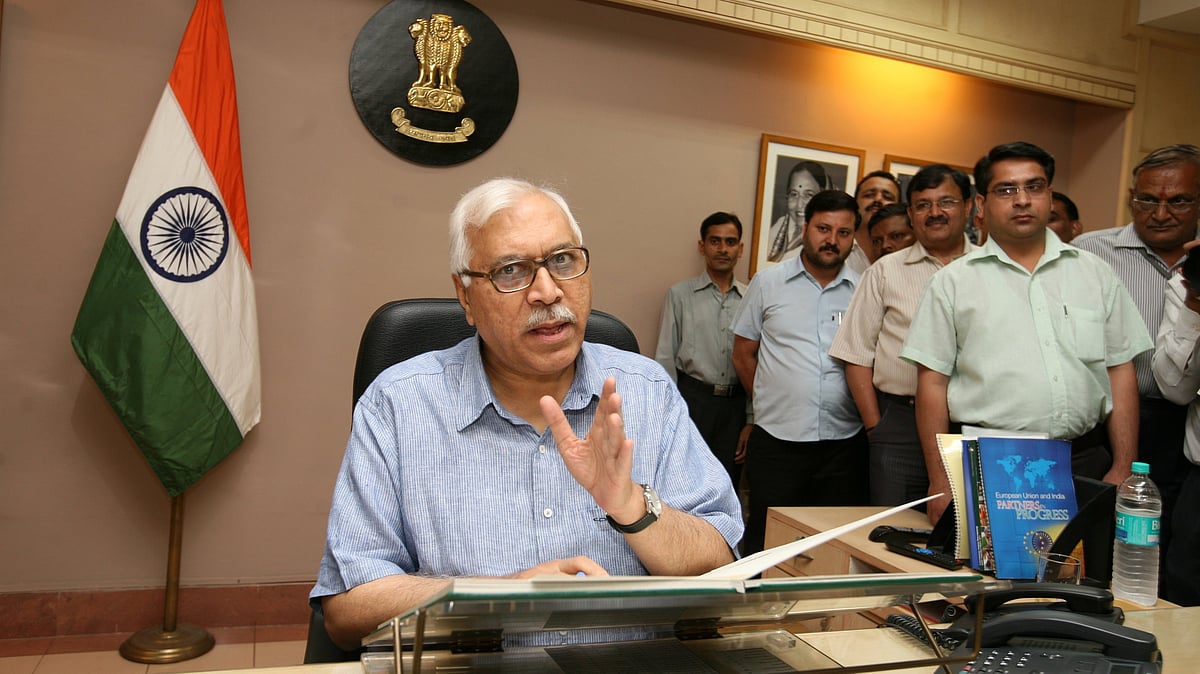
S.Y. Quraishi, the former Chief Election Commissioner of India, has raised serious concerns about the current process used to update voter lists. He described the Special Intensive Revision (SIR) as unconstitutional and a threat to the rights of citizens. During a recent seminar in New Delhi, Quraishi and other experts argued that the process is being used to unfairly remove people from electoral rolls. They believe these actions undermine the core values of democracy and turn a basic right into a tool for harassment.
Main Impact
The primary concern is that millions of eligible voters could lose their ability to participate in elections. By labeling the SIR process as exclusionary, critics suggest that the government is moving away from the principle of universal voting. This shift could lead to a system where the state decides who gets to vote based on unclear rules. If large groups of people are left out of the voter lists, the results of future elections may not truly reflect the will of the public.
Key Details
What Happened
A human rights group called Janhastakshep organized a seminar at the Press Club of India. The event, titled “Selecting the Electors: Mockery of Democracy,” brought together legal experts, activists, and former officials. They gathered to discuss the Special Intensive Revision (SIR) of electoral rolls, which is currently taking place in several areas. The speakers argued that the process lacks transparency and makes it difficult for ordinary people to ensure their names remain on the list.
Important Numbers and Facts
The discussions highlighted several critical points regarding the legal and social aspects of voting. S.Y. Quraishi pointed to Article 326 of the Constitution, which guarantees the right to vote to all adult citizens. Critics mentioned that in West Bengal, officials are using a category called "logical discrepancy" to flag and remove names. This scrutiny is even being applied to voter lists that date back before the year 2003. Activists also compared the current situation to the National Register of Citizens (NRC) process in Assam, where approximately 1.9 million people were excluded from the final citizenship list.
Background and Context
In a democracy, the right to vote is the most important power a citizen has. It allows people to choose their leaders and have a say in how the country is run. In the past, many countries only allowed wealthy people or men to vote. India broke away from this history by giving every adult the right to vote regardless of their status. However, keeping voter lists accurate is a massive task. The government uses revision processes to remove the names of people who have died or moved away. The current controversy arises because critics say this revision is being used to target specific groups rather than just cleaning up the data.
Public or Industry Reaction
The reaction from the speakers at the seminar was one of deep worry. Senior lawyer Prashant Bhushan stated that the current methods allow for arbitrary exclusions, meaning people can be removed without a fair reason. Dr. Aparna, a social activist, noted that migrant workers and women are the most likely to be affected because they often move for work and may lack specific documents. She also claimed that in certain border districts and urban areas of West Bengal, a high number of deleted names belong to the Muslim community. Sangeeta Barua, the president of the Press Club of India, added that the tribunals handling these cases in West Bengal remind her of the "foreigners' tribunals" used in other controversial citizenship checks.
What This Means Going Forward
The speakers warned that the SIR process might be linked to larger political plans. These include the redrawing of voting districts and the proposal for "One Nation, One Election." If the voter lists are not accurate and fair, these future changes could further tilt the balance of power. There is a growing demand from progressive groups to stop the current revision and use older, more inclusive voter rolls for upcoming elections. They also suggest that if a person's name is challenged, they should still be allowed to vote until their case is fully resolved by a court or authority. This would prevent people from being silenced while legal battles continue.
Final Take
The right to vote is a pillar of a free society and should never be treated as a gift from the government. When the process of registering voters becomes confusing or secretive, it creates fear and distrust among the people. For a democracy to stay healthy, the rules for voting must be simple, fair, and open to everyone. Protecting the integrity of the electoral roll is not just about paperwork; it is about protecting the voice of every citizen.
Frequently Asked Questions
What is the Special Intensive Revision (SIR)?
It is a process used by election authorities to update and clean voter lists by verifying the details of citizens and removing names that should no longer be there.
Why is S.Y. Quraishi calling it unconstitutional?
He believes the process is being handled in a way that unfairly excludes citizens and treats the right to vote as a favor rather than a constitutional requirement.
Which groups are most affected by these changes?
Activists argue that migrant workers, women, and marginalized communities are at the highest risk of being removed from voter lists due to the complex requirements of the revision process.