
Summary
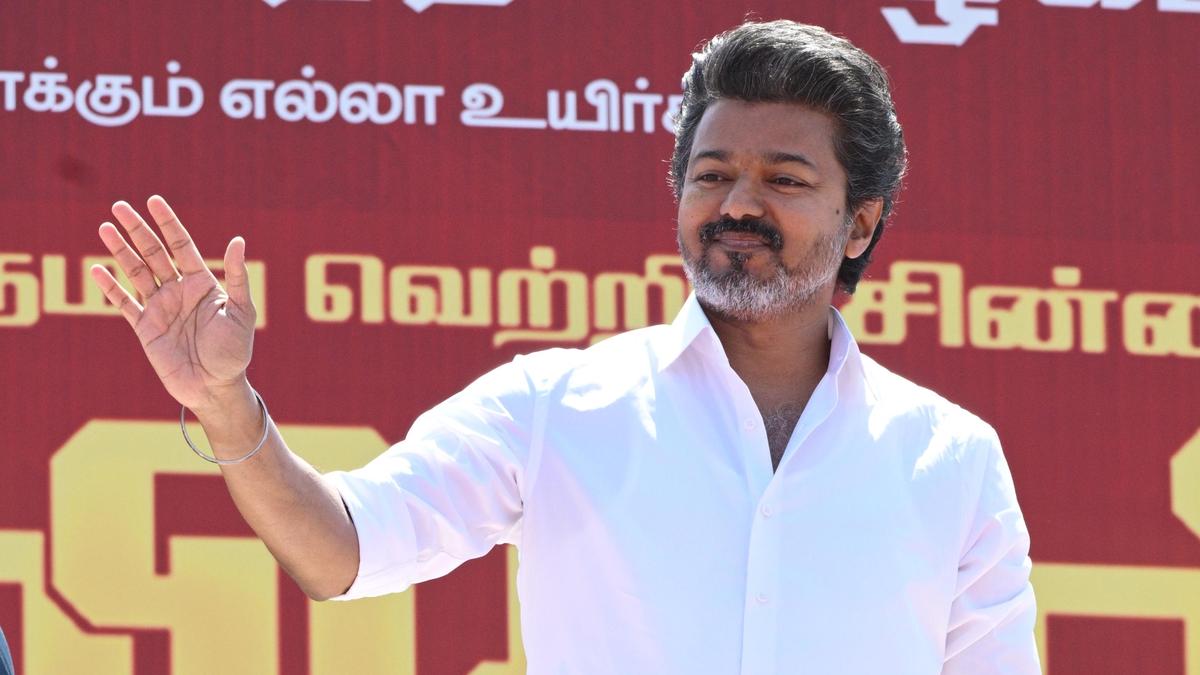
Vijay, the leader of the Tamilaga Vettri Kazhagam (TVK) party, has expressed strong opposition to the central government's plan regarding the Constitution Amendment Bill on delimitation. He described the move as biased and urged the government to stop the process immediately. By calling for the current system to remain unchanged, Vijay is highlighting a major concern about how political power is shared across different states in India. His statement marks a significant moment in the ongoing debate over how voting boundaries are drawn.
Main Impact
The primary impact of this bill involves the potential shift in political power between the northern and southern parts of India. Delimitation is the process of redrawing the boundaries of voting areas based on population changes. If the government uses the most recent population data to decide how many seats each state gets in Parliament, states with higher population growth will gain more seats. Conversely, states that have successfully managed their population growth, such as those in the south, could see their influence in the national government decrease. This has sparked fears of regional unfairness and political imbalance.
Key Details
What Happened
In a recent message shared on social media, TVK chief Vijay made his stance clear on the delimitation issue. He argued that the central government's proposed bill is not fair to all regions. He specifically demanded that the bill be withdrawn and that the "status quo"—which means keeping things exactly as they are now—be maintained. This move by the actor-turned-politician shows that his party intends to take a firm stand on issues that affect the political rights of the people in Tamil Nadu and other southern states.
Important Numbers and Facts
The number of seats in the Lok Sabha has been frozen since the mid-1970s. This freeze was put in place to ensure that states were not punished for following national goals related to family planning and population control. Currently, the total number of seats is based on the 1971 census. If a new delimitation process begins based on current population figures, some experts predict that the total number of seats in Parliament could rise from 543 to over 800. While this would mean more representatives overall, the percentage of representatives from southern states would likely drop significantly compared to states in the north.
Background and Context
To understand why this is such a big deal, it helps to know what delimitation actually does. Every few decades, governments usually redraw the lines of voting districts to make sure that every member of Parliament represents roughly the same number of people. This is meant to keep democracy fair. However, in India, different states have grown at very different speeds. Southern states like Tamil Nadu, Kerala, and Karnataka have invested heavily in education and healthcare, which led to slower population growth. Northern states have seen much faster growth. If the government only looks at the number of people, the states that followed the rules of population control will end up with less power than the states that did not.
Public or Industry Reaction
Vijay is not the only leader worried about this change. Many political parties in South India have voiced similar concerns over the last few years. They argue that political representation should be about more than just counting heads. They believe it should also reflect a state's contribution to the economy and its success in social development. Critics of the bill say that changing the seat count now would be like changing the rules of a game halfway through. While the central government argues that delimitation is a constitutional requirement to ensure equal voting weight, the opposition sees it as a move that could lead to one region dominating the rest of the country.
What This Means Going Forward
The road ahead is likely to be filled with more political debates and legal challenges. If the central government pushes forward with the bill, it could lead to a deeper divide between the North and the South. There are suggestions that the government might try to find a middle ground, such as increasing the total number of seats without reducing the current share of any specific state. However, finding a solution that satisfies everyone will be very difficult. For Vijay and his party, this issue provides a way to connect with voters who feel that their state's voice is being silenced by the central government.
Final Take
The debate over the delimitation bill is a test of how India balances the needs of a growing population with the rights of its various states. Vijay’s call to maintain the status quo highlights a deep concern for regional fairness. As the country moves closer to a new census and potential changes in Parliament, the focus will remain on whether the government can create a system that is truly fair for every citizen, regardless of which state they live in.
Frequently Asked Questions
What is delimitation in simple terms?
Delimitation is the process of redrawing the boundaries of parliamentary or assembly seats to make sure each area has a similar number of voters. It is done to keep elections fair as the population changes over time.
Why is Vijay opposing the new bill?
Vijay believes the bill is biased and unfair. He is worried that redrawing the boundaries based on current population figures will reduce the political power of states like Tamil Nadu that have controlled their population growth.
What does "maintaining the status quo" mean in this case?
It means keeping the current number of seats and the current voting boundaries as they are now, instead of changing them based on new population data. This would prevent any state from losing its current level of influence in Parliament.



