Summary
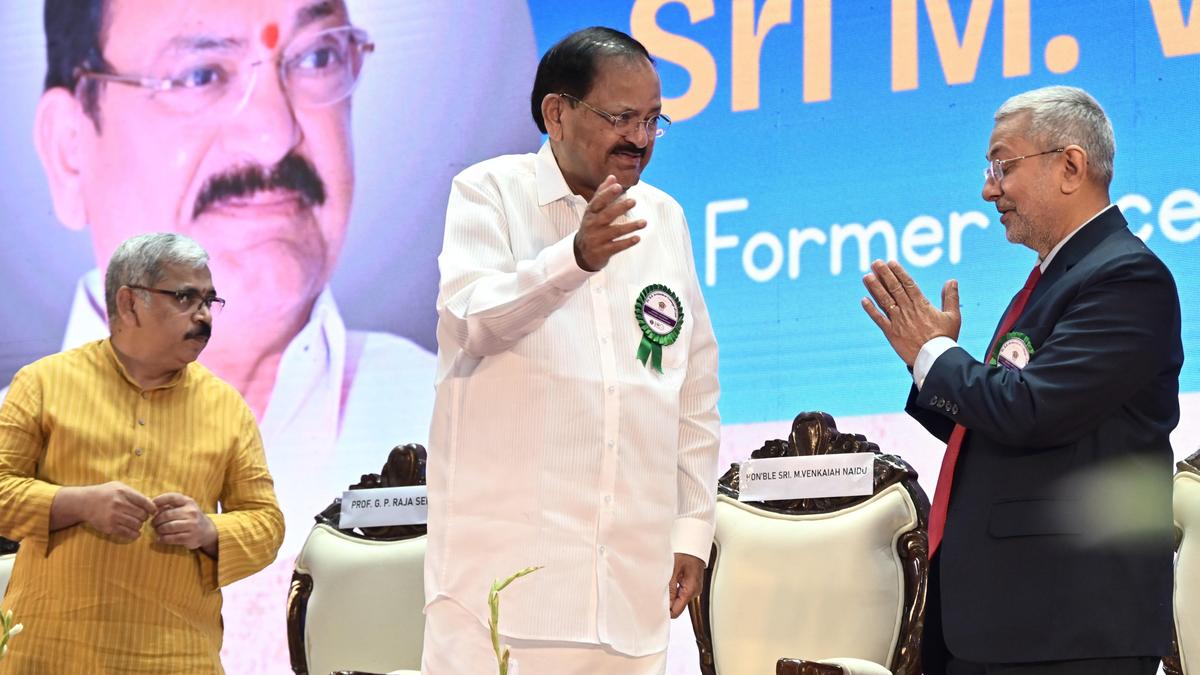
Former Vice President of India, M. Venkaiah Naidu, recently spoke to law students about their duty to the country. He encouraged them to stay connected to their cultural roots and use their legal knowledge to help the poor. Naidu emphasized that the legal profession is not just a way to make money but a path to serve society. He believes that young lawyers play a vital role in making justice accessible to every citizen, regardless of their background.
Main Impact
The primary impact of Naidu’s message is a call for a more human-centered legal system. By urging students to provide free legal aid and work in local languages, he is pushing for a shift in how law is practiced in India. This approach could help reduce the gap between the wealthy and the poor in the justice system. If young lawyers follow this advice, it could lead to faster resolutions for common people who often feel lost in the complex world of courts and legal papers.
Key Details
What Happened
During a recent gathering of law graduates, Venkaiah Naidu shared his thoughts on the future of the legal profession. He told the students that while modern education is important, they must not lose sight of their heritage. He pointed out that many people in rural areas do not understand the law because it is often discussed in English. He suggested that lawyers should try to explain legal matters in the mother tongue of the people they serve. This would make the law feel less scary and more helpful to the average person.
Important Numbers and Facts
While the speech focused on values, it touched on several critical facts about the current state of law. India has millions of cases waiting to be heard in various courts. A large number of people in prison are "undertrials," meaning they are waiting for their day in court but cannot afford a lawyer to help them get bail. Naidu highlighted that the cost of legal help is one of the biggest barriers to justice. He urged the new generation of lawyers to dedicate a portion of their time to "pro-bono" work, which means providing legal services for free to those who need it most.
Background and Context
The legal system in India is often seen as a carryover from the time of British rule. Many of the procedures and the language used in higher courts are still very formal and difficult for the general public to follow. For years, there has been a debate about "Indianizing" the legal system. This means making the laws and the way they are handled more suited to Indian culture and local needs. Venkaiah Naidu has been a long-time supporter of using local languages in official work. He believes that if a person cannot understand the language of the judge, they cannot truly feel that justice has been served.
Public or Industry Reaction
Legal experts and teachers have generally welcomed these comments. Many professors agree that law schools should teach students about social responsibility, not just how to win cases for big companies. However, some young lawyers point out that they face high pressure to pay back student loans, which makes it hard to offer free services early in their careers. Despite these challenges, the idea of using regional languages in courts is gaining more support from the government and the judiciary. There is a growing movement to translate important court rulings into various Indian languages so that more people can read them.
What This Means Going Forward
In the coming years, we may see a push for more legal clinics in rural areas. Law universities might start requiring students to spend time helping local communities as part of their degree. If the suggestion to use the mother tongue is taken seriously, courts might begin to allow more arguments and documents in regional languages. This would be a major change for the legal industry. It would require new training for court staff and lawyers, but it would ultimately make the system more open and fair for everyone.
Final Take
Justice is a basic right, but it often feels like a luxury that only the rich can afford. By telling law students to stay rooted and serve the public, Venkaiah Naidu is reminding the next generation that their skills carry a heavy responsibility. The true success of a lawyer should be measured by how many people they help, not just by the fees they collect. Making the legal system simpler and more affordable is the only way to ensure that every citizen feels protected by the law.
Frequently Asked Questions
What does it mean for a lawyer to "stay rooted"?
It means remembering one's culture, values, and community. It encourages lawyers to use their education to help their own people and stay connected to the reality of life in their country instead of only focusing on global or corporate interests.
Why is the mother tongue important in the legal system?
Many people in India do not speak English fluently. When court cases are held in English, these people cannot understand what is happening with their own cases. Using local languages makes the process clear and fair for everyone.
What is pro-bono legal work?
Pro-bono work is when a lawyer provides legal services for free or at a very low cost to people who cannot afford to pay. It is a way for lawyers to give back to society and help ensure that poor people have a fair chance in court.