
Summary
Indian Railways is currently promoting a new era of high-speed travel with trains like the Vande Bharat and Tejas. The government claims these trains have changed how people travel by offering more luxury and better speed. However, many passengers are finding that these expensive services often fail to meet their promises. While the trains look modern, the basic problems of delays, poor station management, and low food quality remain. This gap between big promises and daily reality suggests that the rail system needs deeper changes to truly modernize.
Main Impact
The biggest issue with the new rail strategy is that it focuses on appearance rather than performance. Passengers are paying higher fares for "premium" trains, but they are still facing the same frustrations as before. Long delays and a lack of clear information make travel stressful. Instead of making travel easier, the new system has mostly made it more expensive. This situation shows that simply introducing new train models is not enough to fix a system that still relies on old tracks and poor organization.
Key Details
What Happened
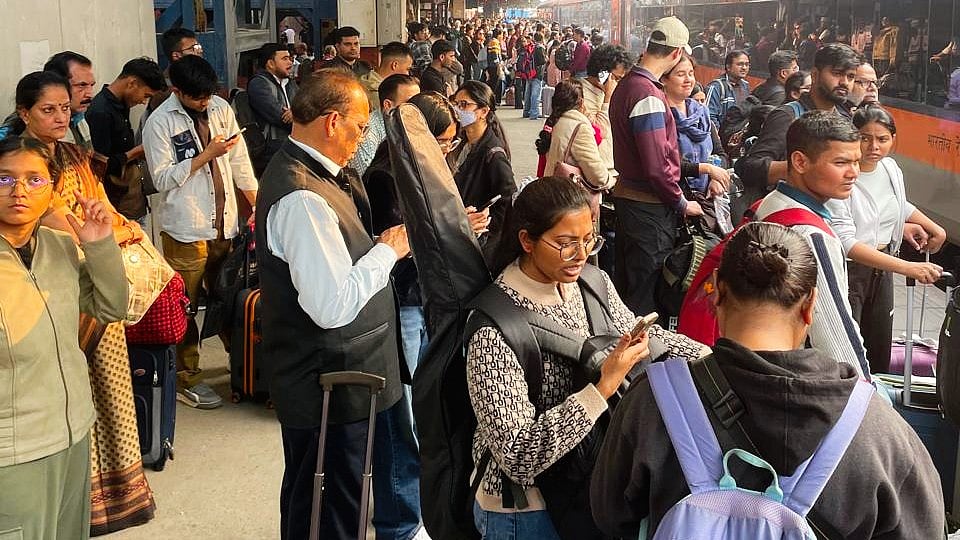
A recent journey on the Delhi-Varanasi Vande Bharat highlights these ongoing problems. Although the train is marketed as a symbol of speed and luxury, it arrived at the station two hours late. Passengers were left waiting on crowded platforms with very little information. When announcements were made, they repeatedly claimed the train was only "15 minutes" away, even when the delay was much longer. This lack of honesty from the railway authorities caused significant confusion and discomfort for hundreds of people.
Important Numbers and Facts
The experience on the train and at the station revealed several disappointing facts. The train finally departed two-and-a-half hours behind schedule. Inside the train, the speed rarely reached the advertised levels. While the government claims the Vande Bharat can hit 180 kmph, the onboard screens showed it mostly stayed around 128 kmph. Additionally, the food service raised concerns about value for money. Passengers paid Rs 80 for a meal set that appeared to cost much less to produce, showing a shift toward higher prices without better quality.
Background and Context
The Indian government has a big plan to modernize the country by the year 2047. A major part of this plan involves upgrading the national railway system. To do this, they have launched several new brands of trains designed to look like the high-speed rails found in Europe or Japan. These trains are meant to be faster and more comfortable than the older Shatabdi or Rajdhani models. However, the tracks these trains run on are often old and cannot handle very high speeds. This creates a situation where the trains look fast but cannot actually travel at their top speed safely.
Public or Industry Reaction
Many regular travelers and experts are starting to voice their concerns. There is a feeling that the railways are trying to act like an airline by charging more for everything, but without providing the same level of service. Critics point out that the management of stations has not improved. At major hubs like New Delhi, the exits are often chaotic. There are no clear areas for taxis or ride-sharing cars, leading to traffic jams and confusion. People are calling for the government to stop the "hype" and focus on fixing the basic infrastructure that makes a journey smooth from start to finish.
What This Means Going Forward
For the railways to succeed, they must change their planning model. Right now, they are putting new trains on the tracks before the system is ready for them. The better approach would be to upgrade the tracks, signals, and station buildings first. There also needs to be more accountability for delays. If the railway minister is also in charge of technology, passengers expect better real-time tracking of trains. In the future, the focus should be on treating every passenger with respect, ensuring that stations are accessible for the elderly and disabled, and making sure that "luxury" trains actually arrive on time.
Final Take
Building a modern railway system requires more than just buying new trains and giving them fancy names. It requires a commitment to quality, honesty in communication, and a focus on the entire passenger experience. Until the government fixes the underlying issues with tracks and station management, the dream of a world-class rail system will remain out of reach. True progress is measured by how well a system works for the people using it every day, not just by how good the trains look in advertisements.
Frequently Asked Questions
Why are Vande Bharat trains often delayed?
Delays often happen because the trains run on the same crowded tracks as slower freight and passenger trains. If there is a problem with signaling or track maintenance, even the newest trains must wait.
Is the food on premium trains worth the extra cost?
Many passengers feel the food quality does not match the high prices. While the service is privatized, the actual items provided are often basic and overpriced compared to their market value.
How fast do these new trains actually go?
While some trains are built to reach 180 kmph, they usually travel much slower, often between 110 and 130 kmph, because the current tracks and safety systems cannot support higher speeds for long distances.

