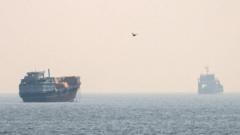
Summary
The United States has launched new military strikes against Iran, with explosions reported in the southern part of the country. President Donald Trump said the attacks are "retribution for yesterday's bombing of ships by Iran." This comes after Iran earlier promised strong retaliation for previous US actions, raising fears of a wider conflict in the Middle East.
Main Impact
The latest US strikes mark a significant escalation in tensions between the two nations. Reports from southern Iran describe loud blasts and smoke rising from military sites. The attacks follow a pattern of back-and-forth strikes that began after Iran allegedly bombed US-linked ships in the region. The situation is now at a critical point, with both sides showing no signs of backing down.
Key Details
What Happened
On Tuesday, US forces launched a series of airstrikes targeting Iranian military positions in southern Iran. The strikes hit areas near the Strait of Hormuz, a key waterway for global oil shipments. Local officials in Iran confirmed explosions but did not immediately provide details on casualties or damage. The US military said the strikes were "precise and limited" but aimed at sending a clear message.
Important Numbers and Facts
The attacks occurred on July 8, 2026. This is the third round of US strikes on Iran in the past two weeks. The US has deployed additional naval assets to the Persian Gulf, including two aircraft carrier groups. Iran has warned it will close the Strait of Hormuz if attacked further, which could disrupt global oil supplies. The US says its actions are defensive, while Iran calls them "acts of war."
Background and Context
Tensions between the US and Iran have been building for months. The conflict started with Iran's alleged bombing of US-linked commercial ships in the Gulf of Oman. The US responded with airstrikes on Iranian military bases. Iran then promised "harsh retaliation" and launched missiles at US bases in Iraq. The cycle of attacks has continued, with each side blaming the other for starting the violence. The region is now on edge, with many countries urging both sides to stop.
Public or Industry Reaction
Global oil prices jumped by 5% after news of the latest strikes broke. Shipping companies have begun rerouting vessels away from the Persian Gulf. The United Nations called for an immediate ceasefire, warning that the conflict could spread. Iran's government said it would respond "at a time and place of our choosing." US allies in Europe expressed concern but stopped short of condemning the US actions. Many ordinary Iranians fear the impact of more war, while some Americans support the strikes as necessary to protect US interests.
What This Means Going Forward
The risk of a full-scale war between the US and Iran is now higher than it has been in years. If Iran follows through on its threat to close the Strait of Hormuz, it could cause a global energy crisis. The US has said it will keep striking until Iran stops attacking ships. But Iran shows no signs of backing down. Diplomatic efforts have so far failed. The next few days will be critical in deciding whether the conflict escalates further or both sides step back from the brink.
Final Take
The US and Iran are locked in a dangerous cycle of attack and retaliation. Each new strike makes it harder for either side to back down without losing face. The world is watching closely, hoping for a diplomatic solution before the situation spirals out of control. For now, the people in southern Iran and the sailors in the Gulf face the most immediate risk.
Frequently Asked Questions
Why did the US launch strikes on Iran?
The US says the strikes are in response to Iran's bombing of US-linked ships in the Gulf of Oman. President Trump called them "retribution" for the earlier attack.
What could happen if the conflict continues?
If the fighting continues, Iran may try to close the Strait of Hormuz, which would disrupt global oil supplies and raise prices worldwide. A wider war could also draw in other countries in the region.
Is there any chance of peace talks?
The United Nations and other countries have called for a ceasefire, but so far both the US and Iran have rejected talks. The situation remains tense, with no clear path to peace at this time.