Summary
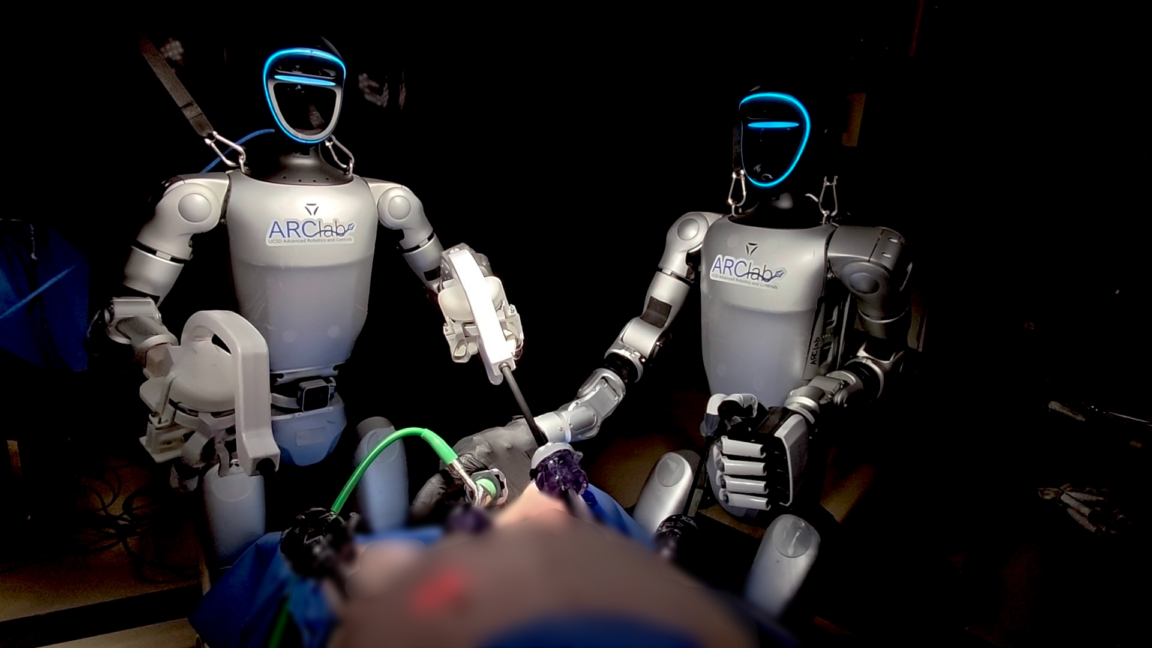
For the first time, surgeons used humanoid robots to perform surgery on living animals. The robots removed gallbladders from live pigs in a test that could change how remote surgery works. This new method uses human control, not artificial intelligence, to guide the robots. If successful in humans, it could bring surgical care to places that cannot afford expensive robotic systems.
Main Impact
The key development is that humanoid robots, controlled by surgeons from a distance, successfully completed two gallbladder removal surgeries on live pigs. This is a world-first experiment that shows how human-robot teamwork can work in medicine. The impact is big because it could make advanced surgery available in small hospitals, rural clinics, battlefields, and even space stations. The robots are cheaper and take up less room than current surgical robots.
Key Details
What Happened
Surgeons at the University of California San Diego School of Medicine used teleoperated humanoid robots to perform minimally invasive surgery. The robots were not acting on their own. Skilled human doctors controlled every movement from a remote location. The robots removed the gallbladders from live pigs during a preclinical trial.
Important Numbers and Facts
The experiment was published in the journal Nature on July 9, 2026. The robots completed two surgeries. The lead researcher is Dr. Shanglei Liu, an assistant professor of surgery at UC San Diego. The robots cost a fraction of the price of current surgical robots and take up much less space in an operating room.
Background and Context
Robotic surgery is not new. Many hospitals use large, expensive robotic arms to help surgeons perform precise operations. But these systems cost millions of dollars and need special rooms. This makes them hard to use in smaller hospitals or in remote areas. Humanoid robots that look more like people could be a simpler and cheaper alternative. They can be controlled from anywhere in the world using a fast internet connection.
Public or Industry Reaction
The medical and tech communities have shown strong interest in this experiment. Many experts see it as a step forward for remote surgery. Dr. Liu said the robots are easy to deploy in many places, from rural areas to battlefields and even space. Some people worry about safety and reliability, but the successful pig surgeries have raised hopes that human trials could come next.
What This Means Going Forward
This experiment is still early. More tests are needed before human patients can be treated this way. But the results suggest that humanoid robots could one day help surgeons reach patients who do not have access to advanced care. The next steps will likely include more animal tests, safety checks, and eventually clinical trials with humans. If everything goes well, this technology could change how surgery is done around the world.
Final Take
Humanoid robots controlled by human surgeons have shown they can perform complex surgery on living animals. This is not about robots replacing doctors. It is about giving doctors better tools to help more people. The future of surgery may involve robots that follow human commands, bringing expert care to places that need it most.
Frequently Asked Questions
Did the robots operate on their own?
No. The robots were controlled by human surgeons from a remote location. They did not use artificial intelligence to make decisions. Every movement was directed by a doctor.
When will this be used on humans?
It is too early to say. More tests on animals and safety checks are needed first. If those go well, clinical trials on humans could begin in the next few years.
Why is this better than current surgical robots?
Current surgical robots are very expensive and take up a lot of space. Humanoid robots cost less and are smaller. This makes them easier to use in small hospitals, rural clinics, and other places where resources are limited.