
Summary
A major communication error from the United States government recently caused confusion in the global energy market. The US Energy Secretary initially claimed that the US Navy had escorted an oil tanker through the Strait of Hormuz, a vital waterway for global trade. However, the White House quickly deleted the statement and clarified that no such escort took place. This mix-up led to immediate changes in oil prices and drew a sharp response from Iranian officials.
Main Impact
The primary impact of this communication shift was felt in the global oil markets. Because the Strait of Hormuz is one of the most sensitive areas for energy transport, any sign of increased military activity can cause prices to rise. When the claim of a Navy escort was first made, traders reacted to the possibility of rising tensions. Once the White House corrected the record, the market had to adjust again, leading to a period of price volatility that worried investors and energy analysts alike.
Key Details
What Happened
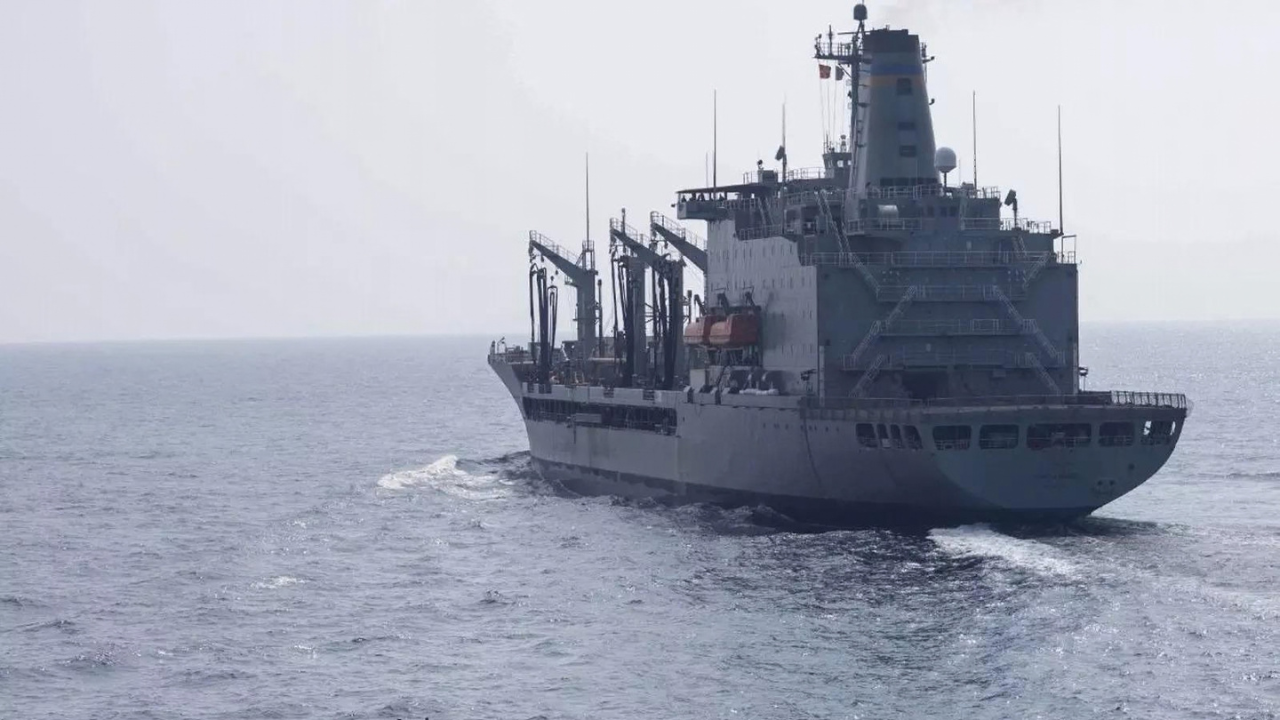
The situation began when the US Energy Secretary made a public statement suggesting that the US Navy was actively protecting a specific oil tanker as it moved through the Strait of Hormuz. This type of military protection, known as an escort, is usually only used when there is a high risk of attack or seizure. Shortly after the statement was released, it was removed from official channels. The White House then issued a formal correction, stating that the information was inaccurate and that the Navy had not provided an escort for the vessel in question.
Important Numbers and Facts
The Strait of Hormuz is a narrow stretch of water between Oman and Iran. It is widely considered the most important oil transit point in the world. Approximately 20% of the world's total oil supply passes through this area every day. On the day of the announcement, oil prices saw a quick fluctuation of nearly 2% before stabilizing after the correction. Iranian military officials, specifically the Revolutionary Guards, also released a statement calling the US claim "false" and "baseless," further highlighting the diplomatic friction caused by the error.
Background and Context
To understand why this mistake matters, one must look at the history of the region. The Strait of Hormuz is a "choke point," meaning it is a narrow path that is difficult to bypass. For decades, the US and Iran have had a tense relationship regarding who controls or monitors these waters. In the past, there have been incidents where tankers were stopped or seized, leading to international crises. Because of this history, the world watches every move made by the US Navy in these waters very closely. A simple statement about an "escort" is not just a routine update; it is seen as a signal of potential conflict or a change in security policy.
Public or Industry Reaction
Industry experts expressed concern over the lack of coordination in the US government's messaging. Energy analysts noted that in a region as volatile as the Middle East, words can be as powerful as actions. If the market believes the US is moving toward a more aggressive stance, fuel prices at the pump can rise for consumers worldwide. Meanwhile, Iran used the opportunity to criticize US presence in the region, claiming that foreign military forces only add to the instability of the waterway. Shipping companies also monitored the situation closely, as they rely on accurate security data to plan their routes and insurance costs.
What This Means Going Forward
Moving forward, the US government will likely face pressure to ensure better communication between the Department of Energy and the White House. This incident shows how a single social media post or press release can have global economic consequences. For the shipping industry, the focus remains on safety. While this specific escort did not happen, the threat of interference in the Strait of Hormuz remains a constant worry. Future movements of oil tankers will continue to be a point of high interest for military and economic observers. We can expect the US Navy to maintain a presence in the area, even if they are not providing direct escorts for every ship.
Final Take
Accuracy in government communication is essential when dealing with global energy security. The quick correction by the White House helped prevent a larger diplomatic or economic crisis, but the initial error served as a reminder of how fragile the peace in the Strait of Hormuz can be. As long as the world depends on this narrow waterway for its energy needs, every word spoken by officials will be analyzed for its potential to change the global economy.
Frequently Asked Questions
Why is the Strait of Hormuz so important?
It is the main route for oil coming from the Middle East to the rest of the world. About one-fifth of the world's oil passes through this narrow passage, making it vital for global energy prices.
Did the US Navy actually escort the oil tanker?
No. Although the US Energy Secretary initially claimed an escort took place, the White House later corrected the statement and confirmed that no escort occurred.
How did the oil market react to this news?
Oil prices fluctuated quickly. They rose when the escort was first mentioned due to fears of tension, and then changed again once the correction was issued by the government.

