
Summary
A United States Navy destroyer recently stopped two oil tankers that were attempting to leave the Strait of Hormuz. This action marks the beginning of a formal blockade led by the U.S. government to put economic pressure on Iran. While the Navy successfully turned these ships back, other vessels linked to Iran have reportedly managed to pass through the area. This move has raised concerns about rising military tensions and the potential for a strong response from Tehran.
Main Impact
The primary impact of this naval operation is the direct disruption of Iran’s oil trade. By physically blocking tankers, the U.S. is moving beyond financial sanctions and using its military power to stop Iranian exports. This has immediate effects on global energy markets, as the Strait of Hormuz is one of the most important paths for oil in the world. If the blockade continues, it could lead to higher fuel prices globally and a possible military confrontation in the Middle East.
Key Details
What Happened
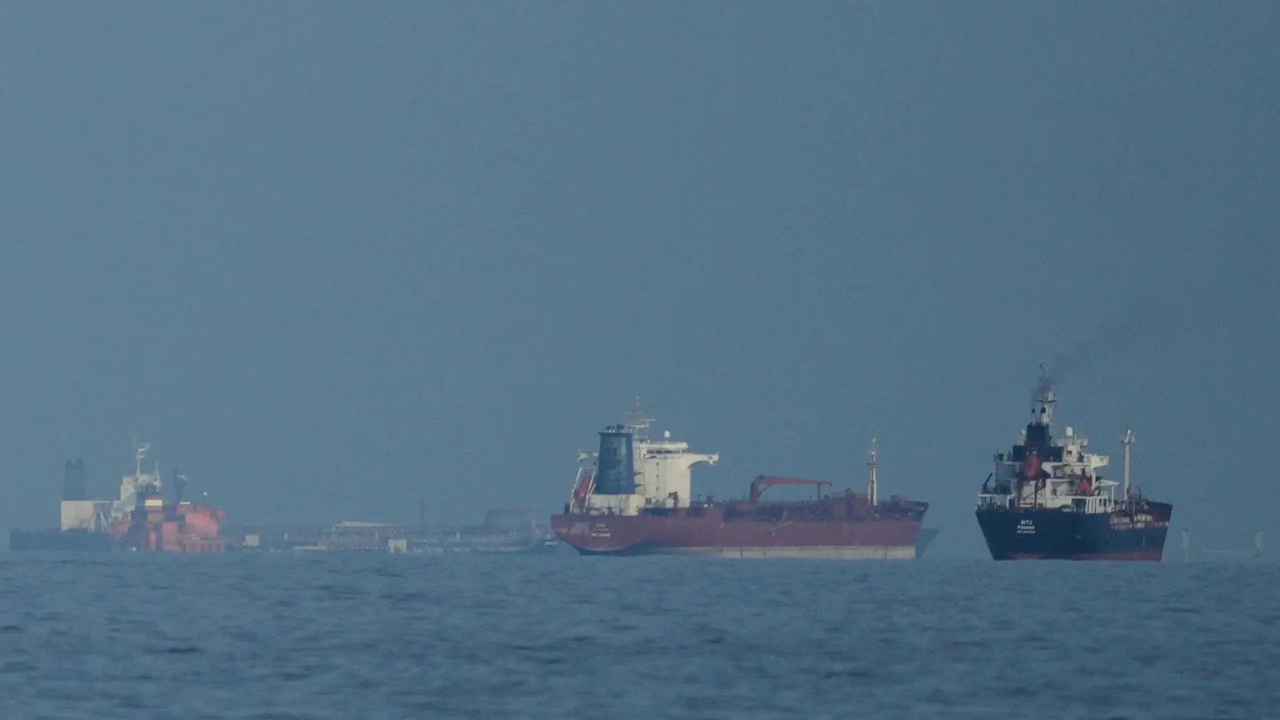
The incident involved a U.S. Navy destroyer patrolling the waters near the entrance of the Persian Gulf. The warship identified two large oil tankers that had recently loaded cargo at Iranian ports. Using radio communication and physical presence, the U.S. crew ordered the tankers to stop their forward movement. After a brief standoff, the tankers complied with the orders and turned back toward Iranian waters. This event is seen as the first major enforcement action of a newly declared maritime blockade.
Important Numbers and Facts
The Strait of Hormuz is a narrow waterway where about 20% of the world's total oil consumption passes every day. Even a small disruption here can change global oil prices within hours. While the U.S. Navy is a powerful force, the area is crowded with hundreds of ships. Reports suggest that despite the presence of the destroyer, at least three other vessels with ties to Iran were able to slip through the blockade under the cover of night or by using different shipping lanes. This highlights the difficulty of monitoring such a busy and vital waterway.
Background and Context
Tensions between the United States and Iran have been high for many years. The U.S. has often used economic sanctions to try and change Iran's policies regarding its nuclear program and its influence in the Middle East. A blockade is a much more serious step than a sanction. In international terms, a blockade is an act of war because it uses military force to prevent a country from trading. The U.S. government argues that this step is necessary to stop Iran from funding its military activities through oil sales. However, many international experts point out that this is a risky strategy that could lead to a larger war if not handled carefully.
Public or Industry Reaction
Energy analysts are watching the situation with great concern. Many fear that if Iran feels backed into a corner, it might try to close the Strait of Hormuz entirely. This would stop not just Iranian oil, but oil from Saudi Arabia, Kuwait, and the United Arab Emirates as well. Shipping companies are already seeing insurance costs rise for any vessel traveling through the region. Meanwhile, Iranian officials have called the blockade an act of "piracy" and have warned that their own navy is ready to protect their commercial interests. Some U.S. allies have expressed support for the pressure campaign, while others worry about the impact on the global economy.
What This Means Going Forward
The next few weeks will be critical for regional stability. The U.S. Navy will likely increase the number of ships in the area to make the blockade more effective. This increases the chance of a mistake or a direct fight between U.S. and Iranian naval forces. Diplomats from other countries are trying to find a way to lower the tension before a major conflict breaks out. If the blockade stays in place, the world may see a shift in how oil is transported, with more countries looking for land-based pipelines to avoid the dangerous waters of the Strait.
Final Take
The interception of these two tankers is a clear sign that the U.S. is willing to use its military to enforce its economic goals. While the move shows strength, it also opens the door to unpredictable risks. The success of this strategy depends on whether it forces Iran to negotiate or pushes it toward a more aggressive military response. For now, the world remains on edge as one of the most important trade routes becomes a front line for military action.
Frequently Asked Questions
What is a naval blockade?
A naval blockade is when a country uses its warships to prevent ships from entering or leaving the ports of another country. It is a way to stop trade and put pressure on an opponent.
Why is the Strait of Hormuz so important?
It is the only way for ships to get from the Persian Gulf to the open ocean. Because so much of the world's oil is produced in this region, the strait is vital for the global energy supply.
Will this cause gas prices to go up?
It is very likely. When there is trouble in the Strait of Hormuz, oil markets usually react by raising prices because they fear there will be less oil available for buyers.

