
Summary
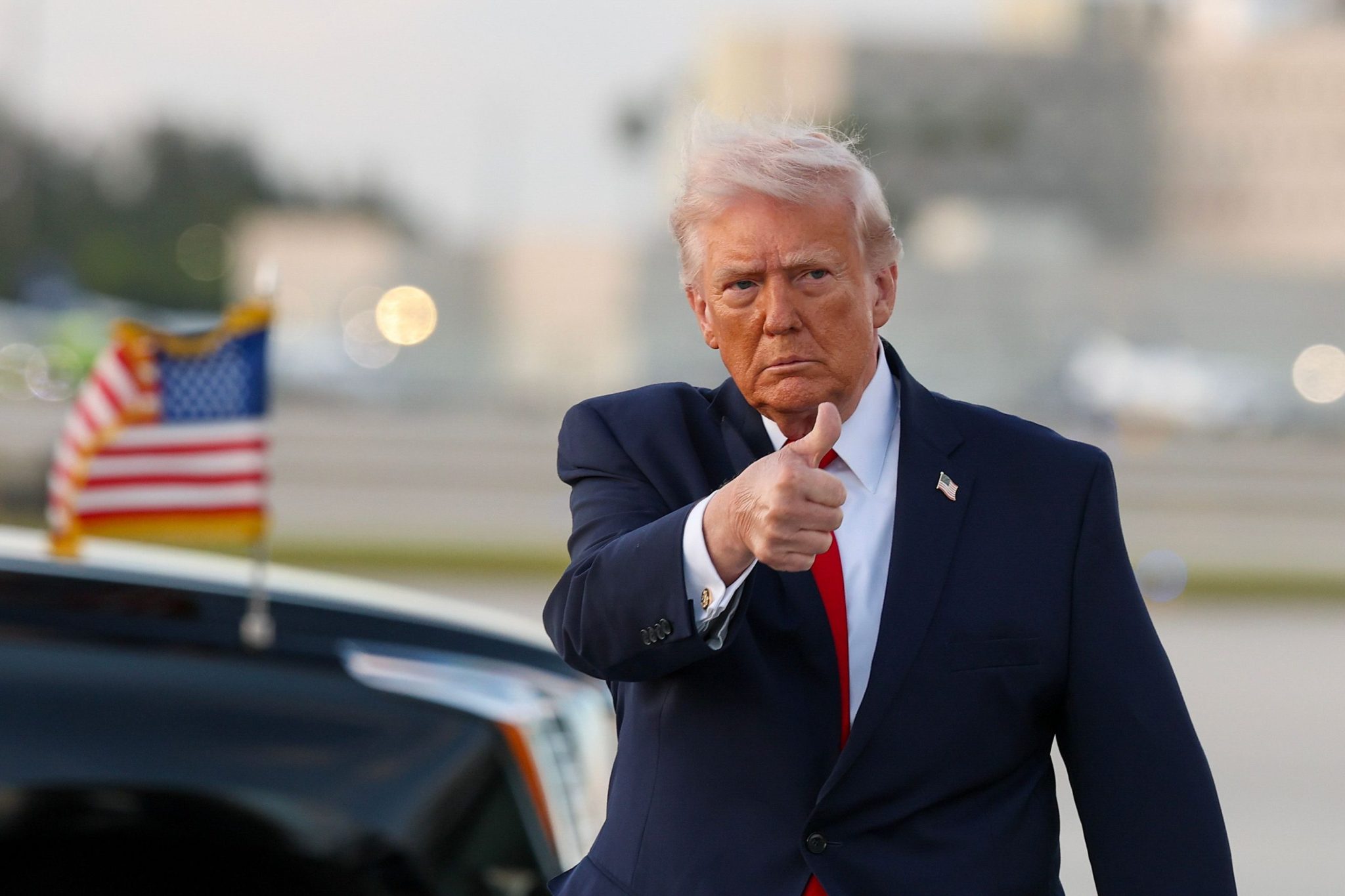
President Donald Trump recently claimed that the war between the United States and Iran is almost over. During a television interview, he expressed confidence that a deal would be reached soon. However, this positive outlook contrasts with the difficult situation currently unfolding at sea. A U.S. naval blockade is actively stopping trade in and out of Iran, and military tensions remain high as both sides wait for a breakthrough in negotiations.
Main Impact
The most significant impact of the current standoff is the total halt of Iranian maritime trade. For the past three days, the U.S. Navy has enforced a strict blockade at the Strait of Hormuz, a vital waterway for global energy. This move has stopped all goods from entering or leaving Iranian ports by sea. While the stock market has reacted positively to the hope of peace, the price of oil remains high. Brent crude is currently trading at $96 per barrel, which is about 33% higher than it was before the conflict began. This price increase affects fuel costs and shipping prices worldwide.
Key Details
What Happened
On Wednesday, President Trump spoke with Maria Bartiromo on Fox Business. He told her that he believes the conflict is "very close to being over." He suggested that Iran is eager to make a deal. Despite these words, the U.S. military is still very active. Central Command (CENTCOM) reported that the naval blockade was fully in place by Tuesday. In just 36 hours, U.S. forces forced six large merchant ships to turn back from Iranian waters. This has effectively cut off Iran's ability to trade using the ocean.
Important Numbers and Facts
The situation involves several critical figures and dates that define the current crisis:
- $96 per barrel: The current price of Brent crude oil, reflecting ongoing market worries.
- 36 hours: The time it took for the U.S. Navy to completely stop Iranian sea trade.
- April 7: The date the current temporary truce was set, which is scheduled to expire next week.
- 20 years vs. 5 years: The U.S. proposed a 20-year pause on Iran's nuclear work, but Iran only offered a 5-year pause.
Background and Context
The conflict centers on two main issues: Iran's nuclear program and control over the Strait of Hormuz. For many years, the U.S. and its allies have tried to stop Iran from making nuclear weapons. Iran claims its nuclear work is for peaceful reasons, like power and medicine. Recently, the conflict turned into a seven-week bombing campaign. This campaign resulted in the death of Iran's top leader, the Ayatollah, and other high-ranking officials. The U.S. is now using a naval blockade to pressure the new Iranian government into a permanent agreement to stop its nuclear activities.
Public or Industry Reaction
The reaction to the President's comments has been mixed. Vice President JD Vance, who led recent talks in Pakistan, was more cautious than the President. He stated that the next steps depend entirely on how Iran chooses to act. Meanwhile, Iran’s military leaders have issued stern warnings. Major General Ali Abdollahi said that if the U.S. continues the blockade, Iran will stop all shipping in the Persian Gulf and the Red Sea. This would be a major blow to global trade. On the other hand, Iranian President Masoud Pezeshkian said his country wants stability but will never "surrender" to force.
What This Means Going Forward
The next few days are critical. The current truce is set to end next week, and negotiators are working hard to find a middle ground. The biggest hurdle is the nuclear program. The U.S. wants a long-term ban on nuclear enrichment, while Iran wants a much shorter timeframe. If a deal is not reached before the truce expires, the naval blockade could lead to direct fighting at sea. Investors are watching closely, hoping for a ceasefire that would lower oil prices and stabilize the global economy. However, if Iran follows through on its threat to block the entire Persian Gulf, the economic consequences could be severe.
Final Take
While President Trump is predicting a quick end to the war, the reality on the water tells a different story. The U.S. is using its military power to force Iran into a corner, and Iran is threatening to push back by disrupting global oil routes. The world is now waiting to see if diplomacy can bridge the gap between a five-year and a twenty-year nuclear deal before the clock runs out on the current truce.
Frequently Asked Questions
What is a naval blockade?
A naval blockade is when a country uses its warships to stop any ships from entering or leaving another country's ports. It is used to stop trade and put pressure on a government during a conflict.
Why is the Strait of Hormuz important?
The Strait of Hormuz is a narrow waterway that connects the Persian Gulf to the rest of the world. A large portion of the world's oil passes through this area, making it vital for global energy supplies.
What is the main disagreement in the peace talks?
The main disagreement is about Iran's nuclear program. The U.S. wants Iran to stop its nuclear work for at least 20 years, but Iran has only agreed to a 5-year pause so far.



