Summary
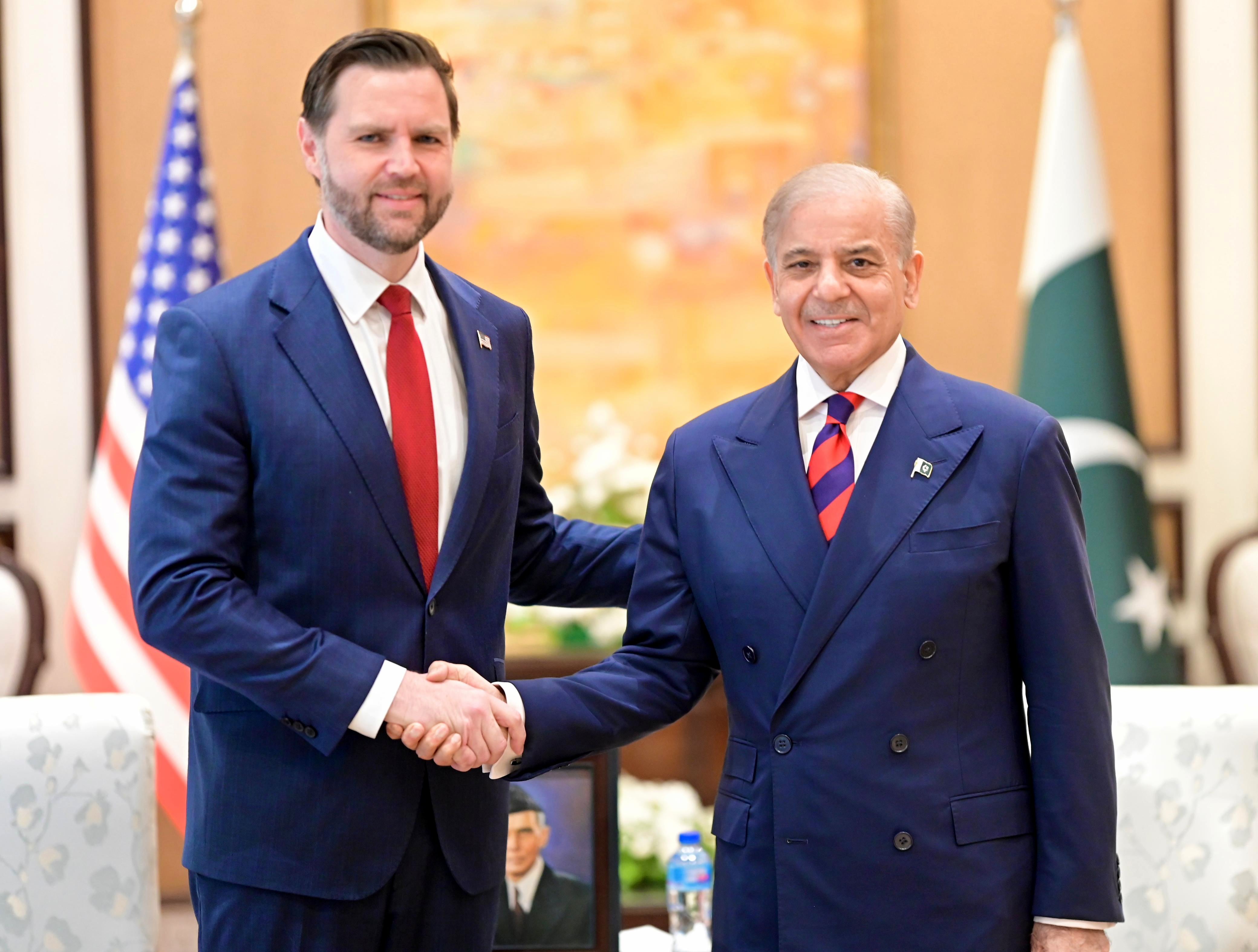
High-level peace talks between the United States and Iran have collapsed in Islamabad, Pakistan. After more than 15 hours of intense discussion, U.S. Vice President J.D. Vance announced that the American delegation is withdrawing from the negotiations. The primary reason for the breakdown is Iran's refusal to provide a clear and firm guarantee that it will not develop nuclear weapons. This failure to reach an agreement marks a significant turning point in the ongoing conflict, shifting the focus from diplomacy back to military action.
Main Impact
The immediate impact of this failed meeting is an increase in military tension across the Middle East. With diplomatic options off the table for now, the risk of a larger war has grown. Shortly after the talks ended, the U.S. military sent two major warships through the Strait of Hormuz. This is the first time American naval vessels have entered this sensitive waterway since the current war began. This move sends a strong message to Tehran that the U.S. is ready to use its military power to protect its interests and keep global trade routes open.
Key Details
What Happened
The negotiations in Islamabad were seen as a last-ditch effort to find a peaceful solution to the war involving the U.S., Israel, and Iran. Diplomats spent nearly a full day trying to find common ground. However, Vice President Vance stated that Iran chose not to accept the specific demands set by Washington. The U.S. wanted "affirmative confirmation" that Iran would stop its pursuit of nuclear arms, but the Iranian side reportedly viewed these demands as "excessive" and unfair. As a result, the U.S. team decided that further talking would not lead to a breakthrough.
Important Numbers and Facts
The talks lasted for a total of 15 hours before the U.S. decided to leave. The military movement involved two U.S. warships navigating the Strait of Hormuz, which is one of the most important oil shipping lanes in the world. On the political side, President Donald Trump spoke to reporters at the White House, expressing total confidence in the U.S. position. He stated that the U.S. would come out on top regardless of whether the talks succeeded or failed. These events took place on April 11 and 12, 2026, during a period of high global anxiety over energy prices and regional safety.
Background and Context
To understand why this matters, it is important to know about the Strait of Hormuz. This narrow stretch of water connects the Persian Gulf with the rest of the world's oceans. About one-fifth of the world's oil passes through this area. If the strait is blocked or becomes a battlezone, gas prices could skyrocket globally, hurting economies everywhere. Iran has often threatened to close the strait if it is attacked or heavily sanctioned.
The nuclear issue is the other major piece of the puzzle. For years, the U.S. and Israel have been worried that Iran is trying to build a nuclear bomb. Iran says its nuclear program is for peaceful energy, but Western leaders do not believe them. The current war has brought these long-standing tensions to a breaking point. The U.S. demands in Islamabad were designed to ensure Iran could never build such a weapon, but Iran sees these rules as an attack on its right to run its own country.
Public or Industry Reaction
The reaction from the U.S. government has been one of firm resolve. President Trump’s comment that "we win" regardless of the outcome suggests that the administration is prepared for a long-term military or economic struggle. In Iran, officials have accused the U.S. of being unreasonable. They claim that Washington is asking for too much while offering too little in return. Global markets are also reacting with concern. Oil traders are watching the Strait of Hormuz closely, fearing that the presence of U.S. warships could lead to a direct exchange of fire, which would disrupt the flow of energy to Europe and Asia.
What This Means Going Forward
The path forward looks increasingly dangerous. Without a diplomatic agreement, the U.S. and Israel are likely to increase military pressure on Iran. This could include more naval patrols, stricter sanctions, or direct strikes on military targets. Iran may respond by using its regional allies to attack U.S. bases or by trying to interfere with shipping in the Gulf. The fact that the U.S. walked away from the table suggests they do not see a way to trust the current Iranian leadership. For the average person, this could mean higher costs for fuel and goods as the world deals with the fallout of a prolonged conflict in a vital part of the world.
Final Take
The collapse of the Islamabad talks shows that the gap between the U.S. and Iran is too wide to bridge with words alone. By moving warships into the Strait of Hormuz, the U.S. is signaling that the era of quiet negotiation is over. The world now waits to see if this show of force will make Iran back down or if it will lead to a much larger and more destructive phase of the war. For now, the hope for a quick peace has faded, replaced by the reality of military strategy and high-stakes power plays.
Frequently Asked Questions
Why did the U.S. stop the talks with Iran?
The U.S. withdrew because Iran would not agree to demands regarding its nuclear program. Specifically, the U.S. wanted proof that Iran would not try to build nuclear weapons, which Iran refused to provide in a way that satisfied American officials.
What is the significance of the Strait of Hormuz?
The Strait of Hormuz is a vital sea route for the global oil trade. Because so much of the world's energy supply passes through this narrow area, any military presence or conflict there can cause global oil prices to rise and disrupt the world economy.
What was President Trump's reaction to the failed talks?
President Trump told reporters that the U.S. is in a winning position regardless of the outcome of the negotiations. He expressed confidence that the U.S. would achieve its goals through other means now that the talks in Islamabad have ended.