Summary
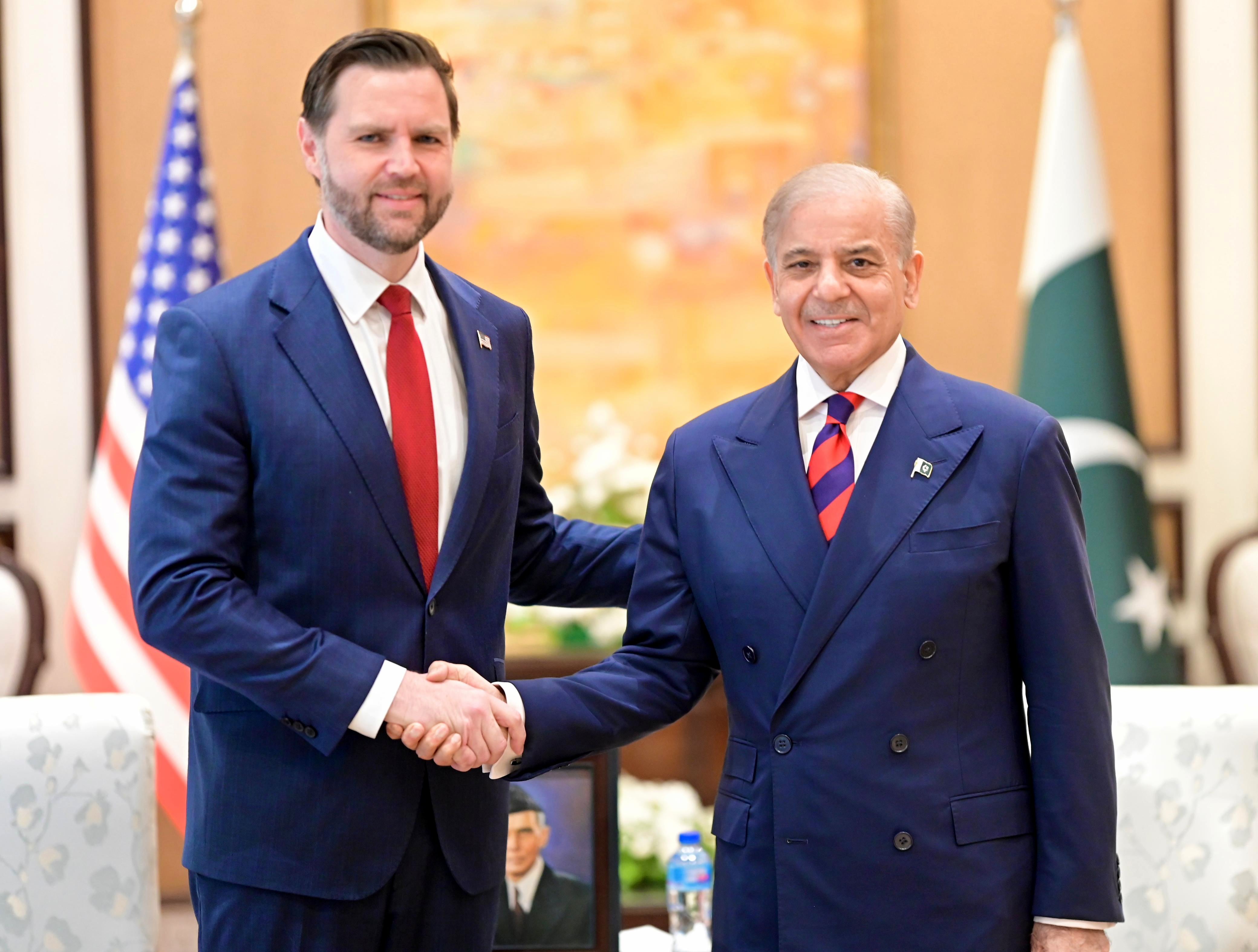
High-level peace talks between the United States and Iran have ended in Pakistan without a signed agreement. After 21 hours of intense discussion, U.S. Vice President JD Vance announced that Washington has presented its final offer to the Iranian government. The primary disagreement remains Iran's nuclear program and the reopening of a major global shipping route. This meeting was a critical attempt to find a long-term solution to the war that began earlier this year.
Main Impact
The failure to reach a deal has immediate effects on global security and the world economy. Because no agreement was signed, Iran has refused to reopen the Strait of Hormuz. This narrow waterway is one of the most important paths for oil tankers in the world. As long as it remains closed, energy prices are likely to stay high, and trade routes will remain blocked. The lack of progress also puts the current temporary ceasefire at risk, as both nations remain in a state of high tension.
Key Details
What Happened
The negotiations took place in Pakistan, serving as a neutral ground for both sides. Vice President JD Vance led the American team through a marathon session that lasted nearly a full day. During these talks, the U.S. pushed for a clear and firm promise from Iran to stop its pursuit of nuclear weapons. However, the Iranian representatives felt the American demands were too high and unfair. They described the U.S. position as having "excessive demands" that they could not accept under the current conditions.
Important Numbers and Facts
The war began on February 28, 2026, when Israeli and American forces launched a surprise military operation against Tehran. Since then, the region has seen significant fighting. On Wednesday, April 8, both sides agreed to a two-week ceasefire to allow for these peace talks. The recent meeting in Pakistan lasted exactly 21 hours before ending in a stalemate. Currently, the ceasefire is still in effect, but it is scheduled to end in less than ten days unless a new agreement is reached.
Background and Context
To understand why these talks are so difficult, it is important to look at the history of the conflict. For years, the U.S. and Israel have been worried about Iran's nuclear goals. They fear that if Iran builds a nuclear bomb, it will change the balance of power in the Middle East and threaten the safety of many nations. Iran, on the other hand, has often said its nuclear program is for peaceful reasons, like making electricity. When the war started in late February, these long-standing tensions turned into a direct military battle. The closure of the Strait of Hormuz was Iran's way of fighting back against the military pressure, using its control over oil routes as a tool in the conflict.
Public or Industry Reaction
The government of Pakistan, which hosted the talks, has expressed concern over the lack of a deal. They have urged both the U.S. and Iran to respect the remaining days of the ceasefire. International trade experts are also worried. Shipping companies have had to move their boats to much longer and more expensive routes because they cannot pass through the Strait of Hormuz. Within Iran, officials have stated clearly that the water route will stay closed until they receive what they call a "reasonable deal." Meanwhile, in the United States, the government is standing firm on its "final offer," suggesting they are not willing to change their terms any further.
What This Means Going Forward
The next few days are critical for the region. If the two-week ceasefire ends without a new plan, the fighting could start again with even more force. The U.S. and Israel must decide if they will change their demands or continue with military pressure. Iran must decide if the economic cost of the war and the closure of the shipping lanes is worth the fight over its nuclear program. There is a small window of time left to prevent the war from growing larger. Other world leaders are expected to put pressure on both sides to return to the meeting table before the ceasefire clock runs out.
Final Take
The world is currently in a waiting game. While the 21-hour meeting showed that both sides are willing to talk, the deep lack of trust makes a real peace deal very hard to reach. The safety of global trade and the lives of many people depend on whether these two sides can find a middle ground in the coming days. Without a breakthrough, the temporary quiet of the ceasefire may soon be replaced by more conflict.
Frequently Asked Questions
Why is the Strait of Hormuz so important?
The Strait of Hormuz is a vital path for the world's oil supply. A large portion of the oil used by many countries passes through this narrow area. When it is closed, oil prices go up everywhere.
What is the main reason the talks failed?
The main reason was a disagreement over nuclear weapons. The U.S. wants Iran to promise it will never build a nuclear bomb, but Iran feels the U.S. is asking for too much without giving enough in return.
How long will the ceasefire last?
The ceasefire was set for two weeks starting on April 8. This means it is expected to last until April 22, unless both sides agree to make it longer or a new fight breaks out before then.