Summary
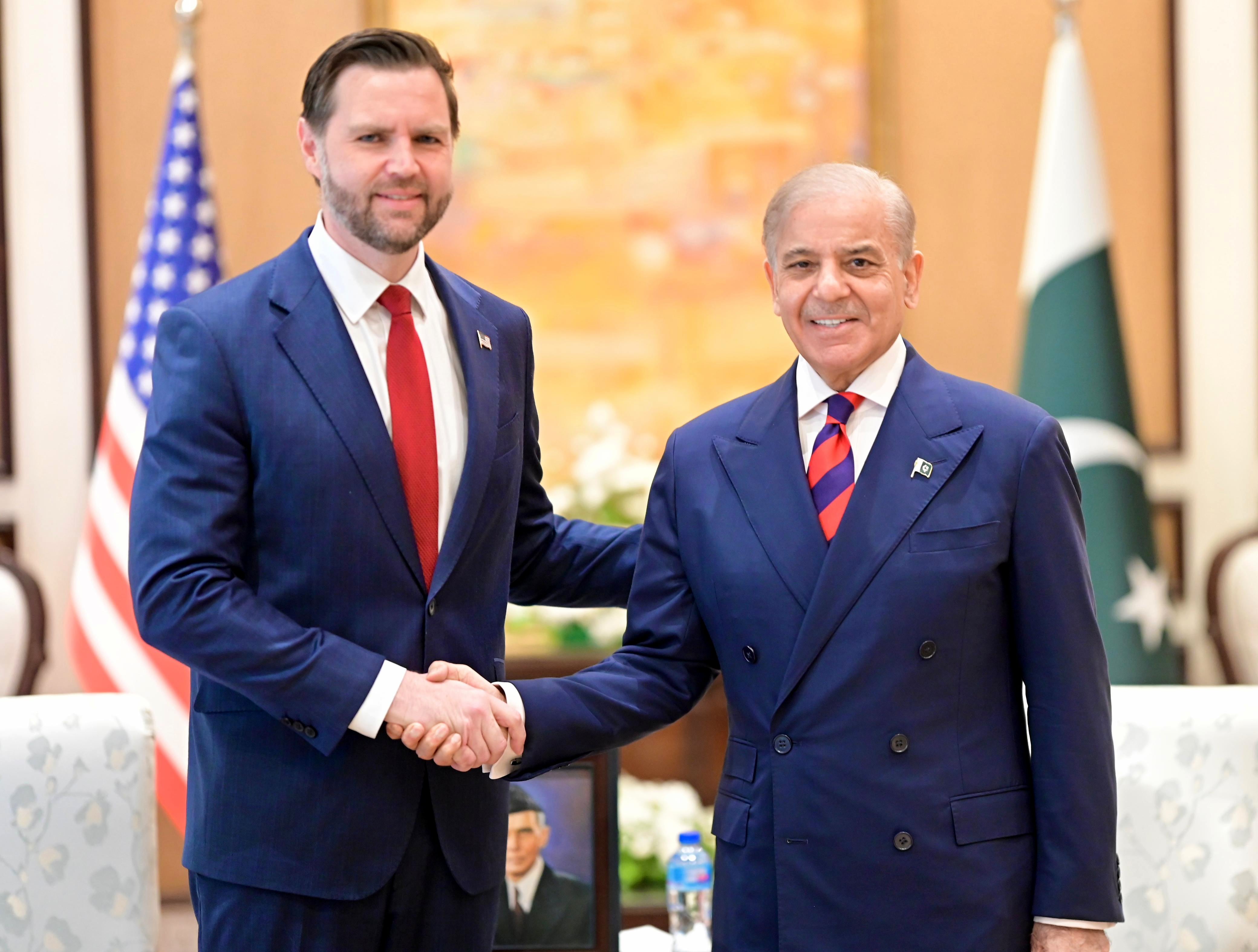
United States Vice President J. D. Vance has officially announced that the U.S. is pulling out of diplomatic talks with Iran. This decision comes after a long and difficult meeting held in Islamabad, Pakistan, where officials spent over 15 hours trying to reach an agreement. The U.S. government stated that the talks failed because Iran refused to meet specific demands regarding its nuclear program. This breakdown in communication marks a serious moment in the ongoing conflict involving the United States, Israel, and Iran.
Main Impact
The immediate impact of this withdrawal is the end of a major diplomatic effort to prevent further war. By walking away from the table, the United States is signaling that it no longer believes words alone can solve the current crisis. This move likely increases the chance of military action or harsher economic punishments against Iran. For the global community, this means that the tension in the Middle East is reaching a new high point, which could affect everything from international security to the price of gasoline at the pump.
Key Details
What Happened
Vice President J. D. Vance delivered the news during a press event in Islamabad. He explained that despite the long hours spent in discussion, the two sides could not find common ground. The U.S. team had set clear rules for the talks, but the Iranian representatives did not accept them. According to Vance, the U.S. cannot continue talking if there is no progress on the most important issues. The atmosphere of the meeting was described as tense, and the final decision to leave was made when it became clear that Iran would not change its position.
Important Numbers and Facts
The meeting in Islamabad lasted for more than 15 hours of continuous discussion. The primary reason for the failure was Iran’s refusal to provide what the U.S. calls "affirmative confirmation" that it will stop trying to build nuclear weapons. The date of this announcement, April 12, 2026, follows months of rising military activity in the region. The U.S. has made it clear that a total stop to nuclear weapon development is a non-negotiable requirement for any peace deal.
Background and Context
The relationship between the United States and Iran has been difficult for many decades. In recent years, this relationship has turned into an open conflict involving Israel as well. The U.S. and Israel are close allies and both believe that a nuclear-armed Iran would be a major threat to world safety. Iran has often claimed that its nuclear work is only for peaceful energy, but many other countries do not believe this. These latest talks were seen as a final attempt to use diplomacy to stop the fighting that has been happening between these nations.
Public or Industry Reaction
World leaders have reacted with a mix of support and deep concern. In Israel, many officials agree with the U.S. decision, arguing that Iran was only using the talks to buy more time. However, some European leaders have expressed worry that ending the talks could lead to a much larger war that involves more countries. In the business world, oil markets showed signs of stress immediately after the news broke. Investors fear that more fighting in the Middle East will make it harder to move oil across the globe, which usually makes prices go up for everyone.
What This Means Going Forward
With diplomacy now on hold, the United States is expected to return to a strategy of "maximum pressure." This usually involves very strict economic sanctions that prevent Iran from selling its goods to other countries. There is also a higher risk that Israel or the U.S. might use military strikes to target Iranian nuclear facilities. The next few weeks will be critical as the world watches to see if Iran responds with its own military moves or if other countries try to step in and restart the talks. For now, the path to peace seems much longer and more difficult than it was just a few days ago.
Final Take
The decision to leave the negotiations in Islamabad shows that the United States is no longer willing to wait for Iran to change its mind. By setting a firm line on nuclear weapons, the U.S. has made its position clear to the world. While this move is intended to show strength, it also removes the last safety net of diplomacy. The focus now shifts from the meeting room to the military and economic arenas, where the stakes are much higher for everyone involved.
Frequently Asked Questions
Why did the U.S. stop the talks with Iran?
The U.S. stopped the talks because Iran would not agree to stop its efforts to build nuclear weapons and failed to meet other key demands after 15 hours of discussion.
Where did the meeting take place?
The meeting took place in Islamabad, Pakistan, which served as the location for these high-level diplomatic discussions.
What is the main concern regarding Iran's nuclear program?
The U.S. and Israel are concerned that Iran is trying to build nuclear bombs, which they believe would threaten the safety of the entire Middle East and the world.