Summary
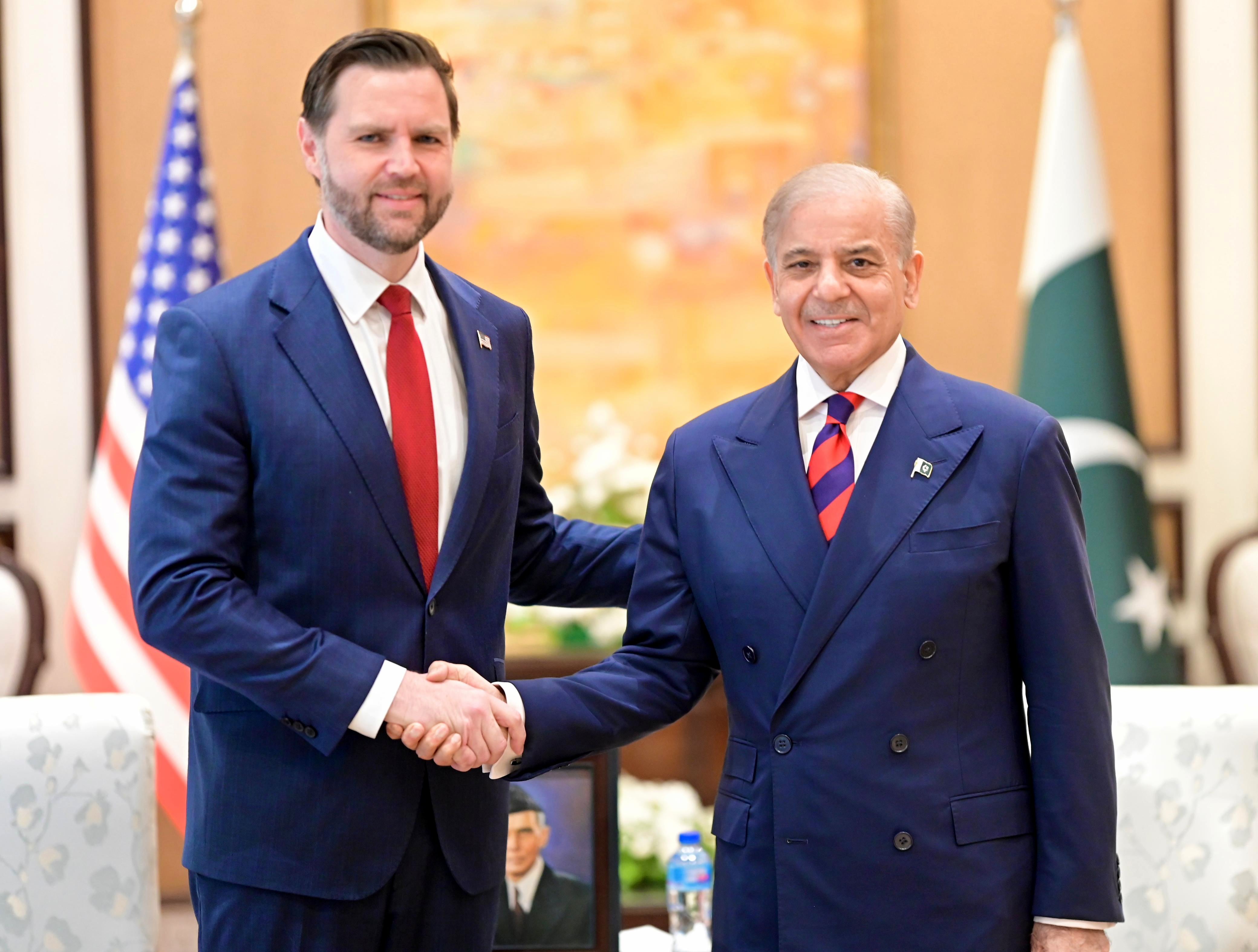
United States Vice President J.D. Vance has officially announced that the U.S. is ending its diplomatic talks with Iran. This decision comes after a long and intense meeting held in Islamabad, Pakistan, where officials spent over 15 hours trying to reach an agreement. The U.S. chose to walk away because Iran refused to meet specific demands, particularly regarding its nuclear program. This breakdown in communication marks a serious moment in the ongoing conflict involving the U.S., Israel, and Iran.
Main Impact
The decision to stop negotiations has an immediate and heavy impact on global security. For several months, there was hope that a diplomatic solution could prevent the current conflict from growing into a much larger war. By leaving the talks, the United States is signaling that it no longer believes words will solve the problem. This move increases the risk of more military action in the Middle East. It also puts more pressure on allies like Israel, who have been watching these talks closely to see if Iran would agree to stop its nuclear ambitions.
Key Details
What Happened
The high-level meetings took place in Islamabad, where representatives from both sides met to discuss a way to end the fighting and address nuclear concerns. Vice President J.D. Vance explained that the U.S. team worked through the night, but they could not find common ground with the Iranian officials. The main sticking point was a demand for "affirmative confirmation" that Iran would not try to build or obtain nuclear weapons. When Iran refused to provide this guarantee, the U.S. decided that the talks were no longer useful.
Important Numbers and Facts
The negotiations lasted for more than 15 hours without a break. This was one of the longest direct meetings between the two sides in recent years. The U.S. withdrawal happened on Sunday, April 12, 2026. While many topics were on the table, the focus remained on Iran's nuclear status. The U.S. government has stated that without a clear and verifiable promise from Teheran, they cannot continue to offer any diplomatic or economic deals.
Background and Context
The tension between the United States and Iran is not new, but it has become much worse recently. For years, the U.S. and Israel have been worried that Iran is trying to build a nuclear bomb. Iran has always said that its nuclear program is only for peaceful things, like making electricity and medicine. However, many world leaders do not believe this. Israel, in particular, views a nuclear-armed Iran as a threat to its very existence. Because of this, the U.S. has used many tools, such as economic punishments called sanctions, to try and stop Iran. These latest talks in Pakistan were seen as a final attempt to fix the issue through talking instead of fighting.
Public or Industry Reaction
The reaction from Iran was quick and critical. Officials in Teheran accused the United States of making "excessive demands" that no country would accept. They claim that the U.S. is trying to force Iran to give up its rights while offering nothing in return. Within the international community, there is a mix of fear and support. Some leaders believe the U.S. was right to stand firm on nuclear safety. Others are worried that without a diplomatic path, the region will see more violence, which could lead to higher oil prices and more instability across the world.
What This Means Going Forward
Now that the talks have ended, the U.S. is likely to look for other ways to pressure Iran. This could mean even stricter economic sanctions to hurt Iran's economy. It could also mean more military support for Israel and other allies in the region. The risk of a direct military clash is now higher than it has been in a long time. Other countries, like China and Russia, may also get involved as they have their own interests in the Middle East. The next few weeks will be critical as the world watches to see if either side will take a step back or if the situation will continue to get worse.
Final Take
The end of the Islamabad talks shows how deep the distrust is between the U.S. and Iran. While diplomacy is always the preferred path, the U.S. has made it clear that it will not accept a deal that leaves the door open for nuclear weapons. This decision moves the conflict into a new and more dangerous phase where the focus is no longer on talking, but on defense and pressure.
Frequently Asked Questions
Why did the U.S. leave the negotiations?
The U.S. left because Iran would not give a clear and confirmed promise that it would stop trying to get nuclear weapons. After 15 hours of talking, the U.S. felt no progress was being made.
Where did these talks take place?
The meetings were held in Islamabad, Pakistan. This location was chosen as a place where both sides could meet to discuss the ongoing war and nuclear issues.
What is Iran's position on the failed talks?
Iran claims that the U.S. was asking for too much and making unfair demands. They believe the U.S. is not acting in good faith and is trying to control Iran's internal affairs.