Summary
The United States and Iran are preparing for high-level diplomatic talks in Pakistan this weekend to address the growing conflict in the Middle East. President Donald Trump is sending a special team, including Jared Kushner, to meet with Iran’s Foreign Minister to discuss a potential path forward. While these talks begin, the U.S. military is maintaining a strict naval blockade that has already forced dozens of Iranian ships to turn around. At the same time, tensions remain high in Lebanon as Hezbollah officials claim the current ceasefire is failing due to continued military strikes.
Main Impact
The decision to meet in Pakistan marks a major shift toward direct diplomacy, but it comes at a time of extreme military pressure. The U.S. is using a "talk and squeeze" strategy, where they offer a seat at the table while simultaneously cutting off Iran’s ability to trade by sea. This dual approach is designed to force Iran into making concessions. However, the aggressive stance taken by U.S. defense officials toward European allies suggests that the U.S. is willing to act alone if other Western nations do not increase their own military contributions.
Key Details
What Happened
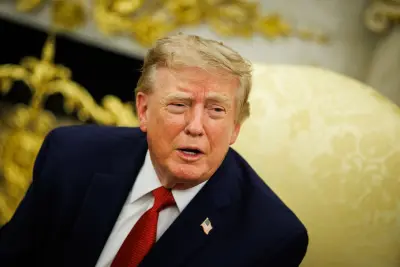
President Trump has appointed Steve Witkoff, his special envoy, and Jared Kushner to lead the American delegation in Islamabad. They will meet with Iranian Foreign Minister Abbas Araghchi, who is traveling to Pakistan to present Iran’s official position. This meeting is the first major sign of a possible diplomatic opening since the conflict intensified. Despite this, U.S. Secretary of Defense Pete Hegseth confirmed that the U.S. military is not slowing down its operations and is prepared for a long-term engagement.
Important Numbers and Facts
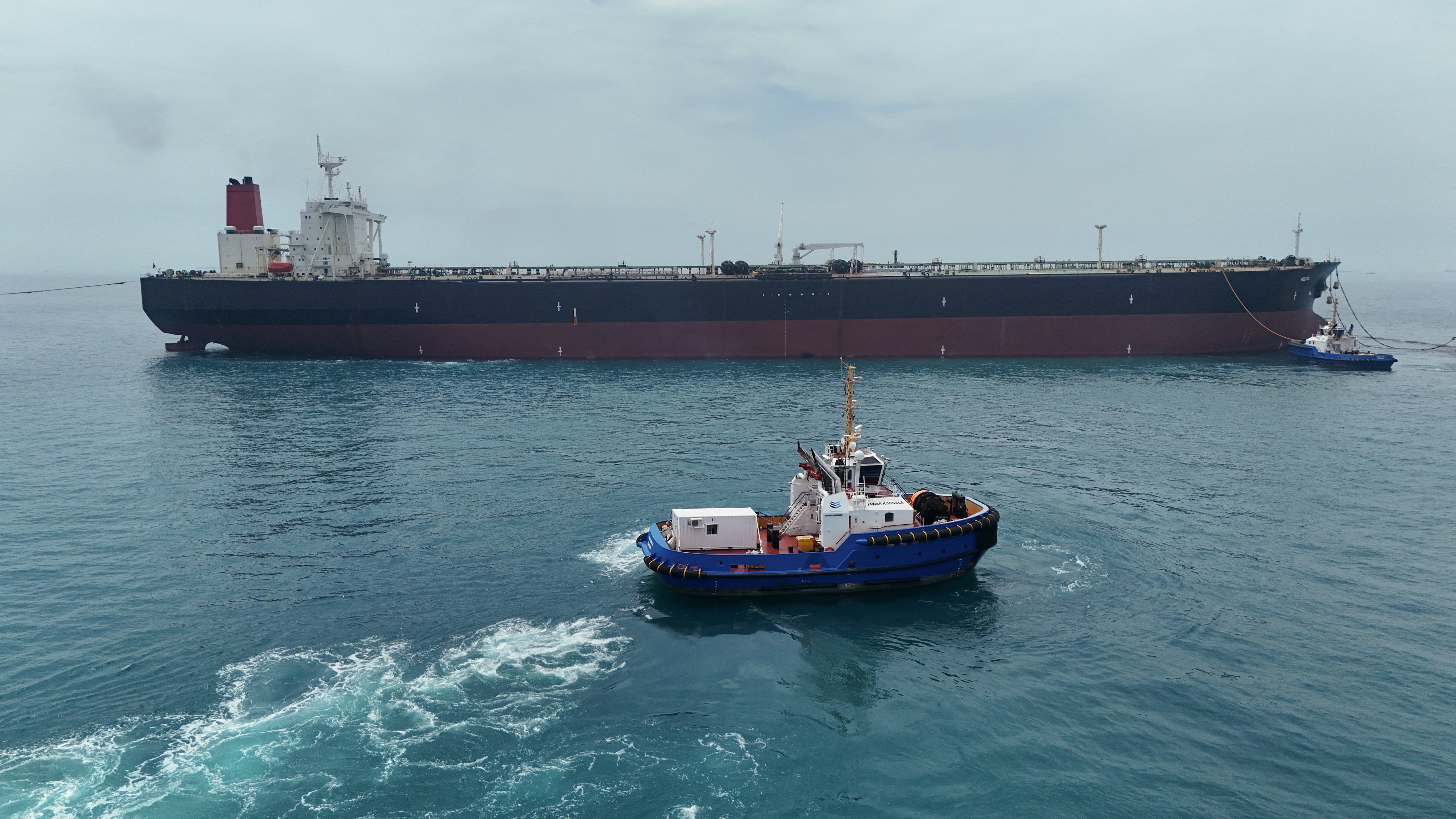
The U.S. naval blockade in the Strait of Hormuz has reached a global scale. According to the Pentagon, 34 ships coming from Iranian ports have been forced to turn back since the blockade began. This has a massive effect on Iran’s economy and its ability to export goods. Additionally, the U.S. recently announced a three-week extension of the ceasefire between Israel and Lebanon. However, Hezbollah leaders have already expressed doubt about this agreement, citing new rocket fire and air strikes that occurred this Friday.
Background and Context
The Strait of Hormuz is one of the most important water passages in the world. A large portion of the world's oil passes through this narrow area. By blocking it, the U.S. is effectively stopping Iran from making money through oil sales. This tactic is often used to bring a country to the bargaining table without starting a full-scale ground war. Pakistan is acting as a middleman in this situation because it maintains working relationships with both Washington and Tehran, making it a neutral place for both sides to talk safely.
Public or Industry Reaction
The reaction from U.S. officials has been blunt. Defense Secretary Pete Hegseth sent a clear message to European nations, stating that the era of relying on American military protection for free is over. He argued that Europe has benefited from U.S. strength for decades and must now step up. Meanwhile, in Lebanon, Hezbollah representative Ali Fayad stated that the ceasefire "lacks meaning" because Israel continues to attack targets within Lebanese territory. Israel, on the other hand, claims its strikes are a direct response to rockets fired by Hezbollah into northern Israel.
What This Means Going Forward
The success of the talks in Pakistan will determine if the conflict moves toward a resolution or further escalation. If Kushner and Witkoff can find common ground with Araghchi, there may be a cooling of tensions. However, the U.S. has made it clear that they are in no rush to end the blockade. If the talks fail, the naval pressure will likely increase, which could lead to higher global energy prices and more frequent military clashes in the region. The next three weeks will be a critical testing period for the ceasefire in Lebanon.
Final Take
The world is watching a high-stakes game of diplomacy and power. While the U.S. is finally opening a door for conversation in Pakistan, it is doing so while holding a firm grip on Iran’s economic lifelines. The message from Washington is clear: they are willing to talk, but they will not stop the pressure until they get the results they want. The coming days in Islamabad will show whether words can achieve what weapons have not yet settled.
Frequently Asked Questions
Why are the U.S. and Iran meeting in Pakistan?
Pakistan is serving as a neutral mediator. Both countries have diplomatic ties with Pakistan, making it a safe and logical place to hold discussions without the pressure of meeting on each other's soil.
What is the Strait of Hormuz blockade?
It is a military action where the U.S. Navy prevents ships from entering or leaving Iranian waters. This is intended to stop Iran from exporting oil and receiving supplies, putting heavy pressure on their economy.
Is the ceasefire in Lebanon still active?
Technically, there is a three-week extension in place. However, both Israel and Hezbollah have reported continued fighting, leading many to believe the agreement is very fragile and may not hold.