Summary
The United States and Iran are preparing for direct peace talks in Islamabad, Pakistan. White House officials report that Iran has shown signs of progress in recent days, leading to a new round of high-level meetings. While diplomacy is moving forward, the situation on the ground remains tense with ongoing fighting in Lebanon and a growing naval blockade in the Strait of Hormuz. These talks represent a major attempt to find a peaceful solution to the long-running conflict between the two nations and their allies.
Main Impact
The decision to hold direct talks in a third country marks a significant shift in the conflict. For months, the region has faced the threat of a larger war involving the United States, Israel, and Iran. By sending top officials to Pakistan, both sides are showing a willingness to talk instead of just fighting. However, the impact of these talks is being tested by continued violence between Israel and Hezbollah in Lebanon. If the meetings in Islamabad succeed, it could lead to a broader ceasefire across the Middle East. If they fail, the risk of a global economic crisis increases due to the military presence in vital shipping lanes.
Key Details
What Happened
White House Press Secretary Karoline Leavitt confirmed that a U.S. delegation will travel to Islamabad on Saturday. The team includes special envoy Steve Witkoff and Jared Kushner. They will meet directly with representatives from the Iranian government. On the other side, Iranian Foreign Minister Abbas Aragchi is expected to arrive in Pakistan tonight. This meeting is part of a larger diplomatic tour for Aragchi, who also plans to visit Oman and Russia to discuss regional security.
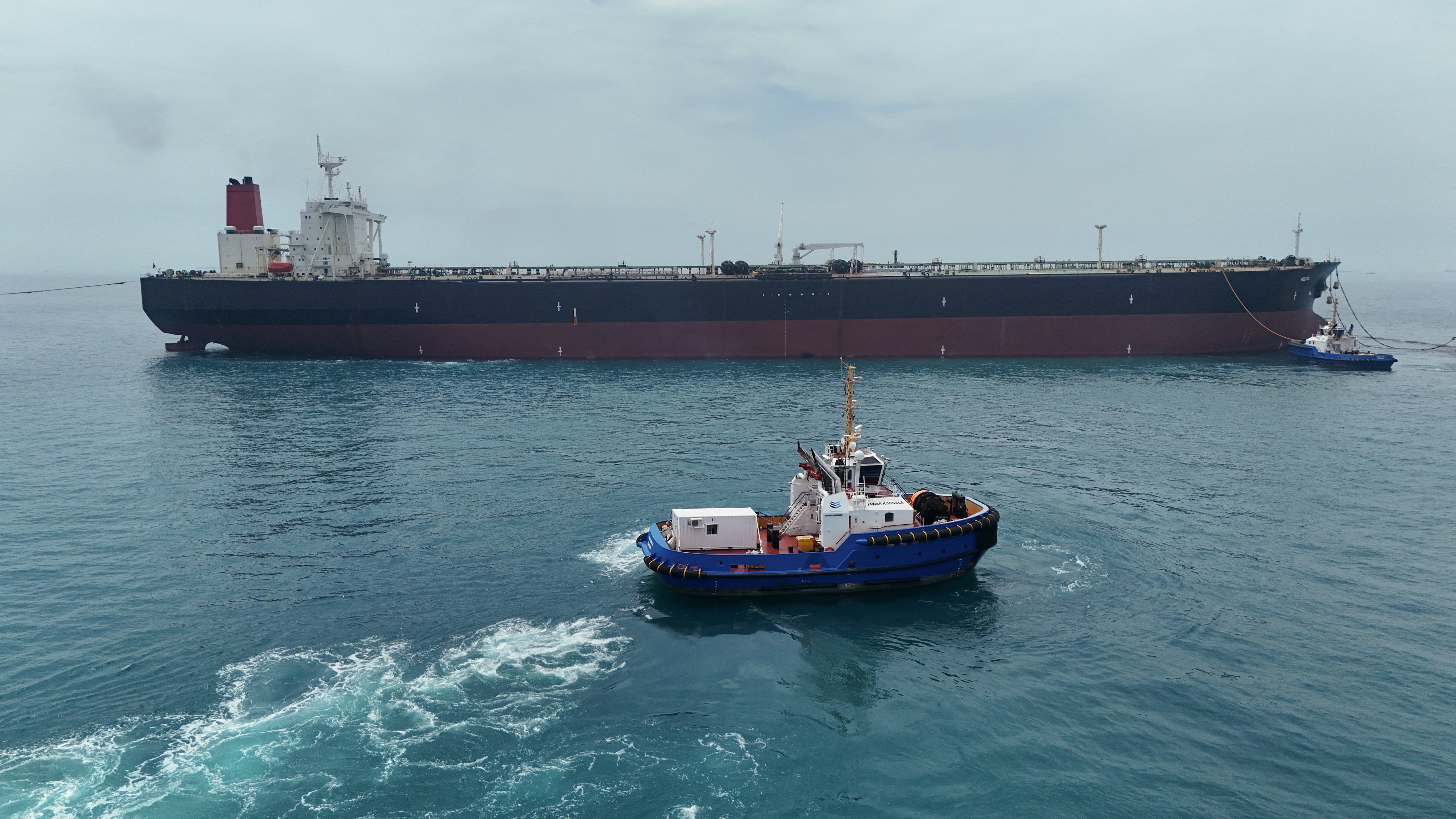
At the same time, U.S. Defense Secretary Pete Hegseth made strong comments regarding the Strait of Hormuz. He stated that the U.S. is expanding its blockade in the area. He also sent a sharp message to European allies, telling them that the era of relying on free U.S. military protection is over. This suggests that the U.S. is taking a more independent and aggressive stance on global trade security.
Important Numbers and Facts
The current diplomatic push follows a recent announcement by the U.S. president regarding a three-week extension of the ceasefire between Israel and Lebanon. Despite this extension, the situation remains unstable. Hezbollah officials claim the ceasefire is not working because Israeli forces continue to launch attacks. Israel, however, says its actions are a response to rockets fired from Lebanon into northern Israel. The talks in Pakistan are seen as a critical window of opportunity before this three-week period ends.
Background and Context
To understand why these talks matter, it is important to look at the geography and the players involved. The Strait of Hormuz is one of the most important water passages in the world. A large portion of the world's oil passes through this narrow area. When the U.S. or Iran threatens to block it, oil prices can go up everywhere, affecting gas prices and the cost of goods globally.
The conflict also involves "proxy" groups, which are smaller armies supported by larger countries. Hezbollah in Lebanon is supported by Iran. When Israel and Hezbollah fight, it often draws the U.S. and Iran closer to a direct war. For years, these countries have communicated through other nations like Qatar or Oman. Moving to direct talks in Pakistan shows that the situation has reached a point where secret messages are no longer enough.
Public or Industry Reaction
The reaction to these developments is mixed. Within the U.S. government, there is hope that the involvement of experienced negotiators like Kushner will lead to a deal. However, military leaders are staying cautious. In Lebanon, the mood is one of frustration. Hezbollah representative Ali Fayad stated that peace agreements have no meaning if the bombing does not stop. Meanwhile, European leaders are reportedly concerned about Secretary Hegseth’s comments. They are now facing pressure to spend more on their own defense or risk losing U.S. support in protecting international shipping routes.
What This Means Going Forward
The next few days will be vital for the future of the Middle East. If the Islamabad talks produce a clear plan, we might see a reduction in fighting in both Lebanon and Gaza. It could also lead to the reopening of the Strait of Hormuz, which would stabilize global markets. However, there are many risks. If Hezbollah and Israel continue to trade fire, the diplomatic efforts in Pakistan could fall apart. The U.S. is also watching Iran’s moves closely to see if their "progress" is real or just a way to gain more time. Investors and world leaders will be watching the results of the Saturday meetings very carefully.
Final Take
We are seeing a rare moment where high-level diplomacy and intense military pressure are happening at the same time. The U.S. is using a "carrot and stick" method—offering peace talks in Pakistan while tightening a naval blockade in the Gulf. While the path to peace is full of obstacles, the fact that both sides are sitting down in the same room is the most positive sign in months. The world now waits to see if these leaders can turn these conversations into a lasting end to the violence.
Frequently Asked Questions
Why are the talks happening in Pakistan?
Pakistan is acting as a neutral ground where both U.S. and Iranian officials can meet safely. It is a common practice in diplomacy to use a third country for sensitive peace talks.
What is the Strait of Hormuz blockade?
The U.S. military is restricting movement in this narrow waterway to pressure Iran. Since much of the world's oil travels through here, the blockade is a powerful tool to influence the global economy.
Is the ceasefire in Lebanon still active?
Technically, there is a three-week extension in place. However, both Israel and Hezbollah have reported recent attacks, leading many to worry that the agreement is failing.