
Summary
The United States housing market is going through a major shift that few experts saw coming. For years, home prices in the "Sunbelt" states like Florida and Arizona were rising at record speeds, but that trend has now stopped. Instead, prices are falling in those popular areas while they continue to rise in the "Rust Belt" and Midwest. This change is being driven by a new "affordability economy," where buyers are moving to cities that offer lower costs of living as interest rates remain high.
Main Impact
The biggest impact of this shift is the end of the massive price growth seen over the last few years. Nationally, home prices only grew by 1.1% over the past year, which is the slowest rate since 2012. This is a sign that the market is "returning to the mean," or moving back to a more normal state after the wild price jumps of the pandemic era. For homeowners in formerly hot markets, this means their property values may start to drop. For buyers, it means the power is finally shifting back into their hands, especially in areas where there are now more houses for sale than there are people ready to buy them.
Key Details
What Happened
A new report from the American Enterprise Institute (AEI) Housing Center shows that the housing market has cooled significantly. In many cities that were once the most popular in the country, prices are now going down. Out of the 53 largest metro areas in the U.S., 28 of them saw price decreases through February 2026. This includes every major city in Florida, California, and Texas. At the same time, cities in the Midwest and Northeast that were previously ignored are now seeing the most growth because they are still affordable for the average worker.
Important Numbers and Facts
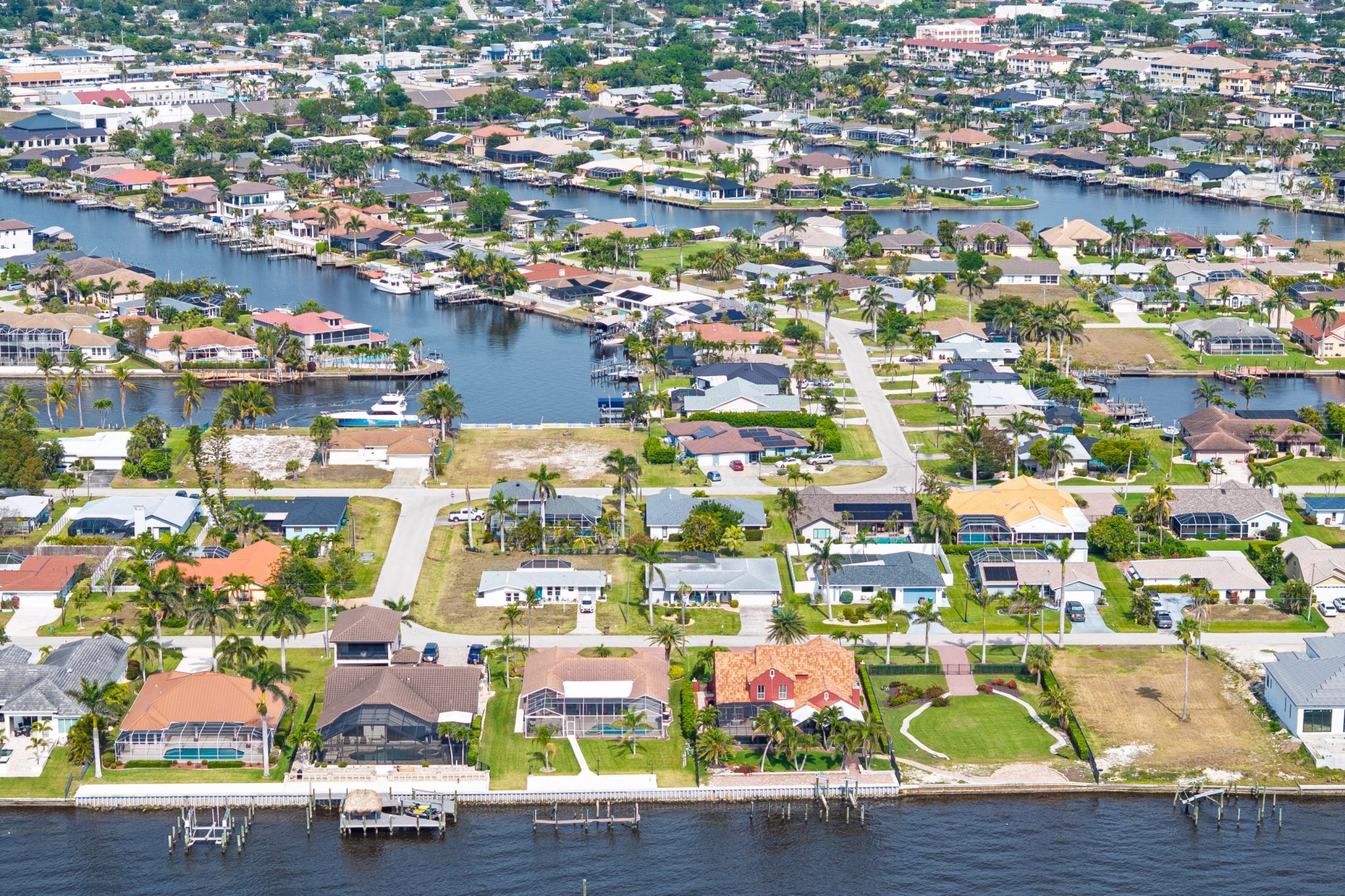
The data shows a clear split between different parts of the country. In Cape Coral, Florida, home prices dropped by 9.6% over the last year. Other Florida cities like North Port and Palm Bay also saw significant decreases. On the other side of the list, Kansas City saw prices rise by 8.6%, making it the top-performing market in the country. Other winners included Cleveland at 5.9% and Pittsburgh at 5.8%. The report also predicts that home prices will continue to fall slightly through 2027 and 2028, dropping by about 2% each year as the market adjusts.
Background and Context
To understand why this is happening, we have to look back at the start of the pandemic. In 2020, the government lowered interest rates to help the economy. This made it very cheap to get a mortgage. Because people could borrow money at rates as low as 2.6%, they were willing to pay much higher prices for homes. This created a massive boom in the Sunbelt, where cities like Austin, Texas, saw prices double in just a few years. However, interest rates have now climbed back up to around 6.5%. When you combine high interest rates with high home prices, most people simply cannot afford to buy in those popular cities anymore. This has forced the market to slow down and prices to drop so that buyers can afford the monthly payments again.
Public or Industry Reaction
Experts like Ed Pinto, the co-director of the AEI Housing Center, say that we are now living in an "affordability economy." He notes that buyers are no longer looking for the most glamorous locations. Instead, they are looking for places where they can live comfortably without spending every penny on their mortgage. Industry analysts also point out that the supply of homes is growing. In cities like Miami and Austin, there are now enough homes on the market to last for eight to twelve months. This is known as a "buyer's market," because when there are so many houses for sale, sellers have to lower their prices to attract a buyer.
What This Means Going Forward
In the short term, we should expect to see more price drops in the South and West. As long as mortgage rates stay high, the expensive homes in these areas will remain out of reach for many first-time buyers. The Midwest and the Rust Belt will likely stay strong for a while because their prices started at a much lower point. However, experts believe that the Sunbelt will eventually become popular again. Once prices fall enough to become affordable, people will likely return to those areas because of the weather and the lifestyle. For now, the focus for the entire country is on finding a balance between what a house is worth and what a family can actually afford to pay each month.
Final Take
The U.S. housing market is correcting itself after years of extreme growth. While it might be worrying for some homeowners to see their property values dip, this change is necessary to make homeownership possible for more people. The rise of the Rust Belt shows that affordability is now the most important factor for buyers. As the market continues to settle, the gap between the most expensive and least expensive cities will likely get smaller, creating a more stable environment for everyone involved.
Frequently Asked Questions
Why are home prices falling in Florida and Texas?
Prices are falling because they rose too high during the pandemic. Now that interest rates are higher, many buyers can no longer afford the monthly payments in these states, leading to a drop in demand and an increase in the number of homes for sale.
What is the "Rust Belt" and why is it popular now?
The Rust Belt refers to parts of the Midwest and Northeast that were known for manufacturing, such as Cleveland and Pittsburgh. These cities are popular now because they offer much lower home prices compared to the rest of the country, making them attractive in today's expensive economy.
Will home prices continue to drop in 2027 and 2028?
According to projections from the AEI Housing Center, home prices are expected to drop by about 2% annually in 2027 and 2028. This is part of a long-term adjustment to bring prices back to more sustainable levels.



