Summary
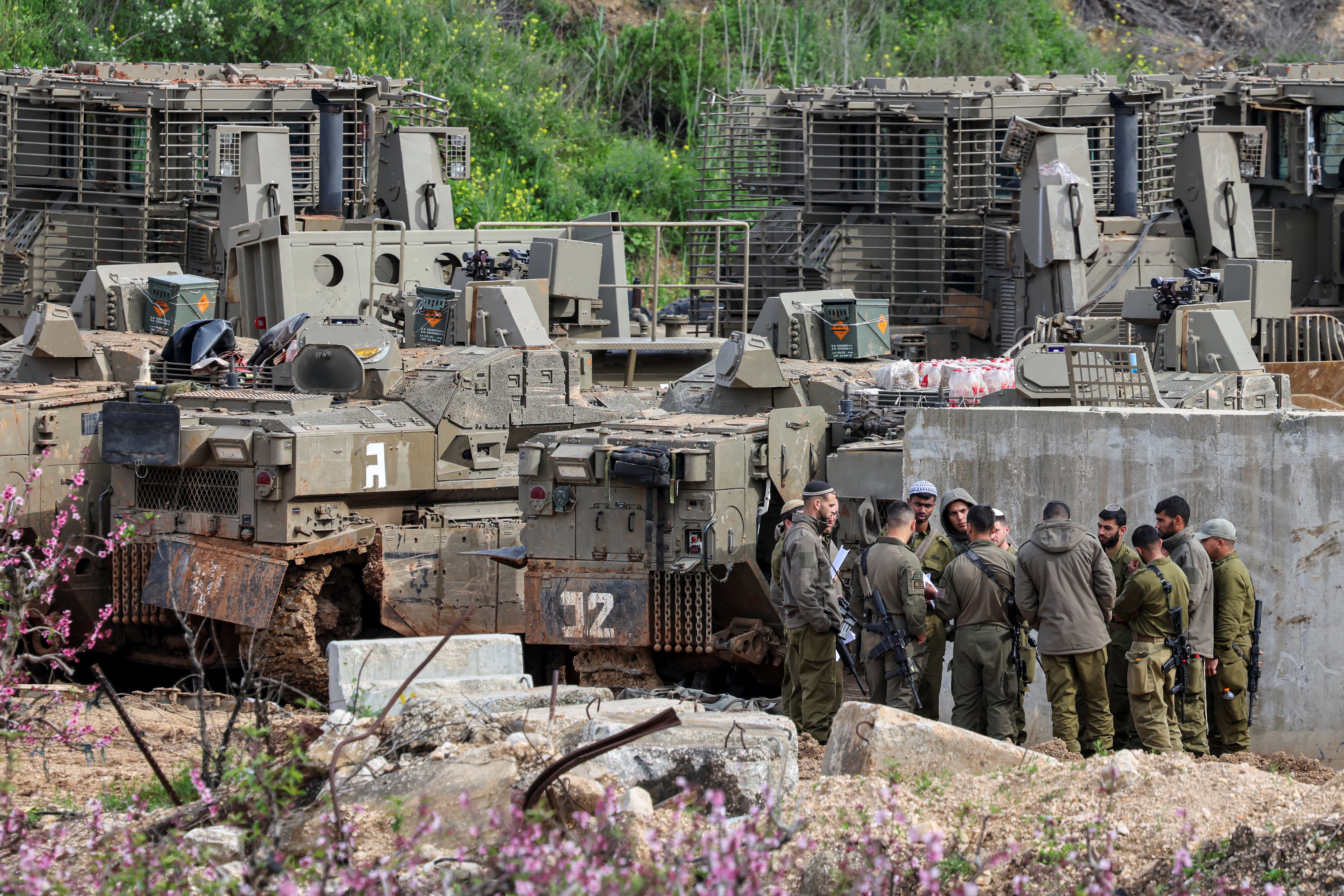
The United States is sending 3,000 elite soldiers to the Persian Gulf as conflict grows between Israel, Iran, and Hezbollah. This move comes despite a recent attempt by President Donald Trump to pause attacks on energy sites for five days. While the U.S. prepares its troops, Israel has announced plans to take control of a large area in southern Lebanon, leading to more violence and a sharp rise in global oil prices.
Main Impact
The decision to send the 82nd Airborne Division marks a major change in how the United States is handling the crisis. By putting thousands of elite troops near the conflict zone, the U.S. is showing it is ready to act directly if the situation gets worse. This deployment happens at the same time Israel is pushing deeper into Lebanon, aiming to control land up to the Litani River. These combined actions have made the world nervous about a much larger war, causing oil prices to jump back above $100 per barrel.
Key Details
What Happened
In the last 24 hours, the military situation has moved quickly. The Pentagon confirmed that 3,000 soldiers from one of its most famous units are heading to the region. On the ground, Israel carried out new air strikes on Beirut, the capital of Lebanon. In return, Iran and Hezbollah fired rockets at Israel. Some of these rockets hit Tel Aviv, where at least six people were hurt. Even though President Trump asked for a five-day break in attacks on oil and gas sites, Iran reported that two of its gas facilities were hit by missiles overnight.
Important Numbers and Facts
The 82nd Airborne Division is known for being able to deploy anywhere in the world in less than 18 hours. The 3,000 soldiers being sent will join other U.S. forces already in the area. In Lebanon, Israel wants to control land 30 kilometers north of the border, reaching the Litani River. Economically, the price of Brent crude oil rose past $100 again, reversing a small drop from the day before. The reported hits in Iran took place at a gas pipeline in Khorramshahr and a gas station in Isfahan.
Background and Context
The fight between Israel and Hezbollah has been going on for a long time, but it has reached a new level of danger. Israel says it needs to control southern Lebanon to stop Hezbollah from firing rockets at Israeli towns. Hezbollah, which is backed by Iran, views this as an attempt to steal their land. The Litani River is a key landmark because it has been used in past peace deals as a boundary line that armed groups were not supposed to cross. Now that Israel plans to move its army all the way to that river, the old rules of the conflict are being thrown away.
At the same time, the U.S. is trying to balance two goals. President Trump wants to protect the world's energy supply by stopping attacks on oil and gas pipes. However, by sending elite troops, the U.S. is also making sure it can defend its interests and its allies if a full-scale war breaks out between Israel and Iran.
Public or Industry Reaction
Hezbollah has reacted strongly to Israel's plan to occupy southern Lebanon. The group called the move a "threat to their existence" and promised to fight any Israeli soldiers who try to stay on Lebanese soil. Meanwhile, the global oil market is showing signs of panic. Traders are worried that if the five-day truce fails, oil production in the Middle East could be cut off. This fear is why prices went up so quickly after the news of the gas pipeline hits in Iran. Many world leaders are calling for calm, but the arrival of more U.S. troops suggests that the military is preparing for the opposite.
What This Means Going Forward
The next few days are critical for the region. If the 3,000 U.S. soldiers arrive and the fighting continues, it could lead to a direct clash between American forces and regional militias. The five-day truce announced by President Trump is already looking weak. If more energy sites are hit, oil prices could climb even higher, which would make gas and electricity more expensive for people all over the world. Everyone is watching to see if Israel will actually move its ground troops to the Litani River, as this would likely lead to a much longer and bloodier battle with Hezbollah.
Final Take
The arrival of elite American troops and the failure to keep energy sites safe shows that the conflict is moving into a dangerous new phase. While leaders talk about peace and short breaks in fighting, the actions on the ground point toward more military force. The world is now waiting to see if these moves will prevent a bigger war or simply make one happen sooner.
Frequently Asked Questions
Why is the 82nd Airborne Division being sent?
They are an elite rapid-response unit. The U.S. is sending them to the Persian Gulf to protect American interests and show strength as the conflict between Israel, Iran, and Hezbollah grows.
What is the significance of the Litani River?
The Litani River sits about 30 kilometers north of the Israel-Lebanon border. Israel wants to control all the land up to this river to create a buffer zone and stop Hezbollah from launching attacks.
Why did oil prices go up?
Prices rose above $100 because investors are worried that the war will damage oil and gas infrastructure. Even though a truce was mentioned, reports of hits on Iranian gas facilities made the market nervous again.