Summary
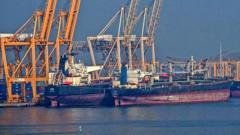
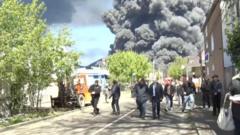
A major oil refinery in the Russian town of Tuapse has been hit by a drone strike for the third time. The attack caused a large fire at the facility, forcing local officials to order an immediate evacuation of people living nearby. This strike is part of a growing trend where energy sites are targeted to disrupt fuel supplies and economic stability. The Russian government has responded by accusing Ukraine of trying to damage the global energy market.
Main Impact
The most immediate impact of this strike is the disruption of Russia’s oil processing capabilities. The Tuapse refinery is a key site for preparing oil for export and domestic use. When a facility like this is damaged, it reduces the amount of fuel available and hurts the country’s ability to earn money from selling energy abroad. For the local community, the impact is even more direct, as hundreds of people had to leave their homes to avoid the thick smoke and potential explosions from the burning oil tanks.
Beyond the local damage, these strikes are changing how the war is fought. By hitting deep inside Russian territory, the attacks show that industrial sites are no longer safe from long-range drones. This forces the Russian military to move its air defense systems away from the front lines to protect factories and refineries in the rear. This shift could create new openings in other areas of the conflict.
Key Details
What Happened
Early in the morning, several drones flew toward the Tuapse refinery, which sits on the coast of the Black Sea. Witnesses reported hearing loud explosions followed by a bright orange glow over the facility. Emergency crews arrived quickly, but the fire proved difficult to control because of the large amount of flammable fuel stored at the site. Local leaders decided to move residents to safer areas until the fire was put out and the air was clear of toxic fumes.
Important Numbers and Facts
This is the third time this specific refinery has been targeted in recent months. The Tuapse plant is owned by Rosneft, Russia’s largest oil company, and it can process millions of tons of crude oil every year. While the exact extent of the damage is still being checked, early reports suggest that at least one of the main processing units was hit. This unit is vital for turning raw oil into usable products like gasoline and diesel. There have been no confirmed reports of deaths, but the economic cost of the repairs is expected to be very high.
Background and Context
Oil is the backbone of the Russian economy. The money made from selling oil and gas helps pay for the government’s daily operations and its military efforts. Because of this, energy infrastructure has become a primary target in the ongoing conflict. Ukraine has stated in the past that hitting these sites is a way to defend itself by cutting off the resources that fuel the Russian military.
The Black Sea region is especially important for this trade. Many of Russia’s largest ports and refineries are located along these waters. By striking Tuapse, the attackers are hitting a spot that is central to how Russia moves its energy products to the rest of the world. This strategy aims to make the war more expensive and difficult for the Kremlin to maintain over a long period.
Public or Industry Reaction
The Kremlin has reacted with anger to the latest strike. Government spokespeople called the attack an act of "energy terrorism" and claimed that such actions could cause oil prices to rise for everyone around the world. They argue that attacking refineries creates uncertainty in the global market, which could lead to higher costs for transport and heating in many countries.
In the energy industry, experts are watching the situation closely. Some analysts believe that if these strikes continue, Russia might have to stop exporting certain types of fuel to ensure there is enough for its own citizens. This could lead to a shortage in the global supply, which often makes prices go up at the gas pump for regular drivers in other nations.
What This Means Going Forward
Looking ahead, it is likely that we will see more of these types of attacks. Both sides are using drones more frequently because they are cheap to build and can travel long distances. Russia will likely try to build better defenses around its refineries, but protecting every single pipe and tank across such a large country is a massive challenge. This means that the energy sector will remain a high-risk zone for the foreseeable future.
For the people living near these industrial sites, life is becoming more dangerous. The need for evacuations shows that the war is moving closer to civilian areas that were once considered safe. If the strikes continue to hit major processing plants, the Russian government may face pressure from its own citizens to provide better security or find a way to end the threats to their homes and jobs.
Final Take
The strike on the Tuapse refinery is a clear sign that the war is focusing heavily on the economic tools that keep the Russian state running. As both sides look for ways to gain an advantage, the global energy market and local communities are caught in the middle. The success of these drone strikes suggests that the battle for energy control will be a major part of the conflict's next phase.
Frequently Asked Questions
Why are oil refineries being targeted?
Refineries are targeted because they are essential for a country's economy and military. Hitting them reduces the fuel available for tanks and planes and cuts off the money earned from selling oil.
Is the Tuapse refinery important?
Yes, it is a major facility on the Black Sea coast owned by Rosneft. it plays a big role in processing oil for export to other countries.
Will this make gas prices go up?
It is possible. When large refineries are damaged, the total supply of fuel decreases. If many sites are hit, it can cause global oil prices to rise due to supply concerns.