Summary
The Spanish Congress has rejected a government plan to keep rent prices frozen across the country. A group of right-wing parties, including the Popular Party (PP), Vox, and Junts, joined together to vote against the measure. This decision ends a period of rent control that was meant to protect tenants from rising costs. The failure of the vote has caused a lot of anger among left-wing parties and shows how difficult it is for the current government to pass new laws.
Main Impact
The most direct result of this vote is that the legal freeze on rent increases will stop. This means that landlords may soon be able to raise prices for many people living in rental properties. For thousands of families already struggling with the cost of living, this could lead to higher monthly bills. Beyond the financial impact, the vote shows a major shift in power within the Spanish Parliament. The government can no longer rely on its usual partners to pass important social rules.
Key Details
What Happened
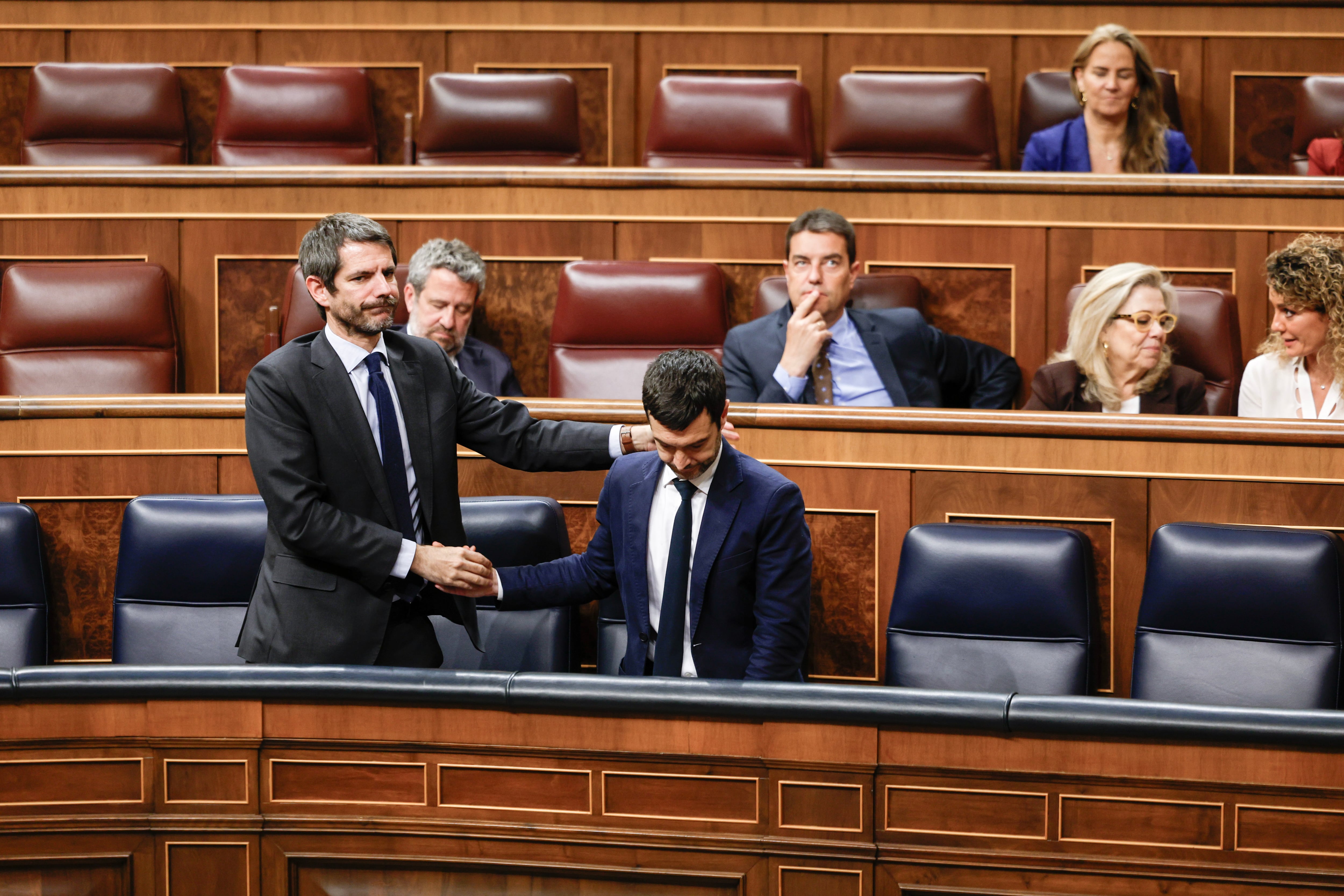
During a tense meeting in the Spanish Congress, lawmakers debated whether to extend a decree that stopped rents from going up. The government, led by the PSOE and Sumar, argued that the freeze was necessary to help people deal with inflation. However, the opposition parties argued that the rule was unfair to property owners and did not solve the real problem of a housing shortage. When it came time to vote, the right-wing parties had enough numbers to block the plan entirely.
Important Numbers and Facts
The vote took place on April 28, 2026. The parties that voted against the rent freeze were the Popular Party (PP), Vox, and Junts. This was a surprise to some because Junts has often supported the government in the past. The rejection of the decree means that the temporary protections for renters are now gone. This affects a large portion of the population, especially in big cities where housing is most expensive.
Background and Context
Housing has become one of the biggest political issues in Spain. In recent years, the price of renting an apartment has gone up much faster than the average person's salary. This has made it very hard for young people and low-income families to find a place to live. To fix this, the government used "decrees," which are fast laws that can be put into place quickly. These laws were meant to stop prices from jumping too high during economic crises. However, many people in the real estate industry and conservative parties believe these rules stop people from building new homes or putting their properties on the market.
Public or Industry Reaction
The scene inside the Congress was very dramatic. Gabriel Rufián, a leader from the ERC party, was very angry with the party Junts. He accused them of turning their backs on the working class. At one point, he walked over to the Junts members to hand them a document, which led to a lot of shouting. Members of the Vox party even shouted "actor" at him. Outside of the building, housing rights groups have expressed deep worry. They fear that without these protections, many people will be forced to leave their homes because they can no longer afford the rent. On the other hand, some property owner groups welcomed the news, saying the market should be free to set its own prices.
What This Means Going Forward
This event is a sign of a very divided government. The PSOE, which is the main party in power, is facing criticism from both the right and the left. Their partners on the left feel the government is not doing enough to protect poor people. Meanwhile, the right-wing parties are becoming more united in their efforts to stop government plans. In the coming months, the government will have to try and find a new way to talk to these parties if they want to pass any more laws about housing or the economy. If they cannot find a middle ground, more government plans could fail in the same way.
Final Take
The rejection of the rent freeze is a major turning point for Spanish politics and the housing market. While politicians argue over rules and power, the real impact will be felt by everyday people paying their rent each month. This situation highlights the massive challenge of making housing affordable while keeping different political groups happy. Without a clear plan that everyone can agree on, the housing crisis in Spain is likely to continue for a long time.
Frequently Asked Questions
Why was the rent freeze law rejected?
The law was rejected because the Popular Party, Vox, and Junts voted against it. They believe that rent controls do not work and that the government should not tell property owners how much they can charge.
Will my rent go up immediately?
It depends on your specific rental contract. However, because the legal freeze has ended, landlords now have more freedom to increase prices when contracts are renewed or when new tenants move in.
What will the government do next?
The government may try to write a new law or negotiate with other parties to find a different way to control housing costs. For now, they do not have enough support in Congress to pass a similar rent freeze.