Summary
The United States is pushing Iran to make a formal promise to stop firing at ships passing through the Strait of Hormuz. This demand comes as new talks between the two countries are set to restart in Oman this Saturday. Vice-President JD Vance is among the American officials expected to attend the discussions. The move aims to reduce tensions in one of the world's most important oil shipping routes.
Main Impact
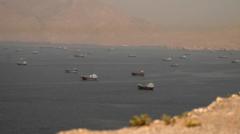
The Strait of Hormuz is a narrow waterway where about one-fifth of the world's oil passes through. If Iran agrees to stop shooting at ships, it could lower the risk of disruptions to global oil supplies. This would help stabilize energy markets and reduce the chance of a wider conflict in the Middle East. However, if talks fail, the situation could escalate, leading to higher oil prices and increased military presence in the region.
Key Details
What Happened
US officials have made it clear that a key goal in the upcoming talks is to get Iran to commit to not attacking commercial and military vessels in the Strait of Hormuz. The discussions are part of a broader effort to address ongoing tensions between the two countries. The talks in Oman are seen as a critical step to avoid direct confrontation.
Important Numbers and Facts
The Strait of Hormuz connects the Persian Gulf to the open ocean. It is only 21 miles wide at its narrowest point. Around 17 million barrels of oil pass through it every day. Iran has previously threatened to block the strait in response to sanctions. The talks restart on Saturday, July 11, 2026, in Muscat, Oman.
Background and Context
For years, Iran and the US have been at odds over many issues, including Iran's nuclear program and its influence in the Middle East. The Strait of Hormuz has often been a flashpoint. Iran has used the threat of closing the strait as a way to pressure other countries. In recent months, there have been several incidents where Iranian forces fired warning shots at or seized commercial ships. This has raised concerns among shipping companies and oil buyers worldwide.
Public or Industry Reaction
Shipping companies and oil traders have welcomed the news of talks. Many hope for a peaceful resolution that keeps the strait open. Some analysts say that even a temporary agreement would be a positive sign. However, there is also skepticism. Critics point out that past agreements with Iran have not always lasted. The international community is watching closely, as any disruption could affect global fuel prices.
What This Means Going Forward
If Iran agrees to the US demand, it could lead to a broader understanding between the two countries. This might open the door for talks on other issues, such as Iran's nuclear activities. However, if Iran refuses, the US may increase its naval presence in the area. This could lead to more standoffs at sea. The outcome of these talks will likely shape the security of oil shipments for months to come.
Final Take
The demand for Iran to stop shooting at ships is a clear and direct request from the US. The talks in Oman offer a chance to lower tensions, but the path forward is uncertain. Both sides have strong reasons to avoid a conflict, but trust remains low. The world will be watching to see if diplomacy can succeed where threats have failed.
Frequently Asked Questions
Why is the Strait of Hormuz so important?
The Strait of Hormuz is a narrow waterway where a huge amount of the world's oil is shipped. About one-fifth of all oil traded globally passes through it. If it is blocked, oil prices could rise sharply, affecting economies around the world.
What does the US want Iran to promise?
The US wants Iran to formally agree to stop attacking or shooting at ships that travel through the Strait of Hormuz. This includes both commercial vessels and military ships. The goal is to keep the waterway safe and open for international trade.
Where are the talks taking place?
The talks are happening in Oman, a country in the Middle East. Oman has often acted as a neutral place for discussions between Iran and other nations. The talks are set to resume on Saturday, July 11, 2026.