
Summary
The United States has officially started a blockade of the Strait of Hormuz, a move that has brought ship traffic to a complete stop in one of the world's most vital waterways. This action follows the collapse of peace talks between the U.S. and Iran over the weekend. As a result, oil prices have quickly climbed above $100 per barrel, and hundreds of ships are now stranded at sea. This standoff marks a major increase in economic pressure as both nations claim control over who can enter and exit the region.
Main Impact
The immediate impact of the blockade is the total freezing of global energy supplies that move through the Middle East. About 20% of the world’s oil and liquefied natural gas passes through this narrow stretch of water. With the U.S. military now blocking the path, the flow of these resources has dropped to zero. This has caused immediate panic in the energy markets, leading to higher costs for fuel and heating around the world. For many countries, especially in Asia, this means they must find ways to use much less energy very quickly.
Key Details
What Happened
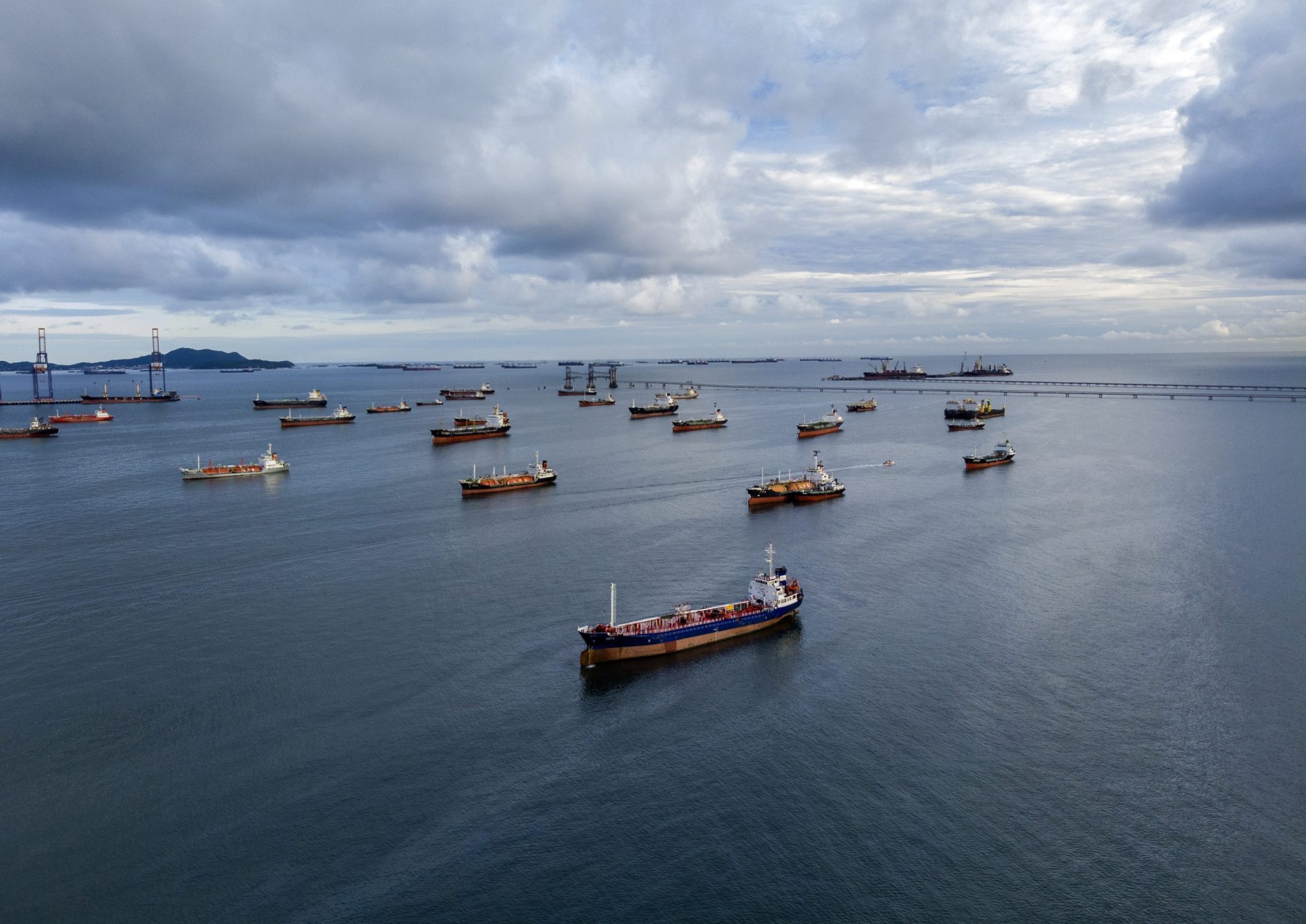
On the morning of April 13, a large oil tanker named the Rich Starry was moving toward China with a load of Iranian oil. As it approached the Strait of Hormuz, it suddenly made a sharp turn and went back the way it came. This ship joined a group of about 800 other vessels that have been stuck in the area since late February. Experts say that no tankers have tried to pass through the strait since the U.S. blockade began. The situation turned into a full blockade after the U.S. government decided to stop all traffic to put more pressure on Iran.
Important Numbers and Facts
The scale of this event is massive. There are currently 400 oil and gas tankers sitting idle in the water. Before this blockade, Iran was allowing about 10% of normal traffic to pass if the ships paid a special fee. Now, that number has hit zero. Oil experts warn that the world could see a loss of 5 million barrels of oil demand every day because the fuel simply isn't available. Prices have already jumped past the $100 mark, and there is no sign that they will come down soon. Ships that are not carrying Iranian goods are technically allowed to pass by the U.S., but they are staying still because they fear being attacked by Iranian forces.
Background and Context
The Strait of Hormuz is a small but very important piece of water. It connects the oil-rich countries of the Persian Gulf to the rest of the world. For decades, it has been a place of tension. The U.S. wants to stop Iran from selling oil to fund its government and military. Usually, the U.S. uses sanctions, which are rules that punish people for buying Iranian goods. However, this blockade is a much more direct action. By using warships to stop traffic, the U.S. is trying to force Iran to change its ways without starting a full war on land. This is often called economic warfare because it uses the economy as a weapon.
Public or Industry Reaction
The global response has been a mix of fear and a search for peace. French President Emmanuel Macron has announced that he is working with the United Kingdom to set up a group of countries to help. Their goal is to restore the "freedom of navigation," which means making sure ships can move safely through international waters. They want to create a mission that is separate from the U.S. and Iran to help calm the situation. Meanwhile, energy experts are worried. Many believe the situation will get much worse before it gets better. They are asking who will be brave enough to try and sail through the blockade first, as no one wants to be the first ship caught in a potential fight.
What This Means Going Forward
In the coming weeks, the world will likely feel the pinch of these shortages. It is not just about gasoline for cars. The blockade also stops the movement of natural gas, fertilizer, and even helium. Farmers need fertilizer to grow food, and factories need gas to run. Countries like Saudi Arabia are trying to move their oil through different routes, but it is not enough to replace what is lost. If the blockade continues, many nations will have to use their emergency oil reserves. The risk of violence is also high. President Trump has stated that any Iranian boats that get too close to U.S. ships will be destroyed. This makes the chance of a small mistake turning into a bigger battle very likely.
Final Take
This blockade has turned a long-running political argument into a global energy crisis. With hundreds of ships stuck and prices rising, the world is waiting to see which side will blink first. The crews on these stranded ships are now living on limited food and water, waiting for a solution that seems far away. As long as both the U.S. and Iran claim they control the water, the global economy will remain in a very dangerous position.
Frequently Asked Questions
Why is the Strait of Hormuz so important?
It is a narrow waterway where about 20% of the world's oil and natural gas travels. If it is blocked, the global supply of energy drops significantly, causing prices to rise everywhere.
What happens to the ships that are stuck?
There are about 800 ships currently waiting in the water. The crews are rationing their food and water supplies. Some are even fishing to get enough to eat while they wait for the blockade to end.
Will this cause a war?
While both sides are using their navies to show strength, they have mostly stuck to economic pressure so far. However, the U.S. has warned it will use force if Iranian boats approach their ships, which keeps the risk of a fight very high.



