
Summary
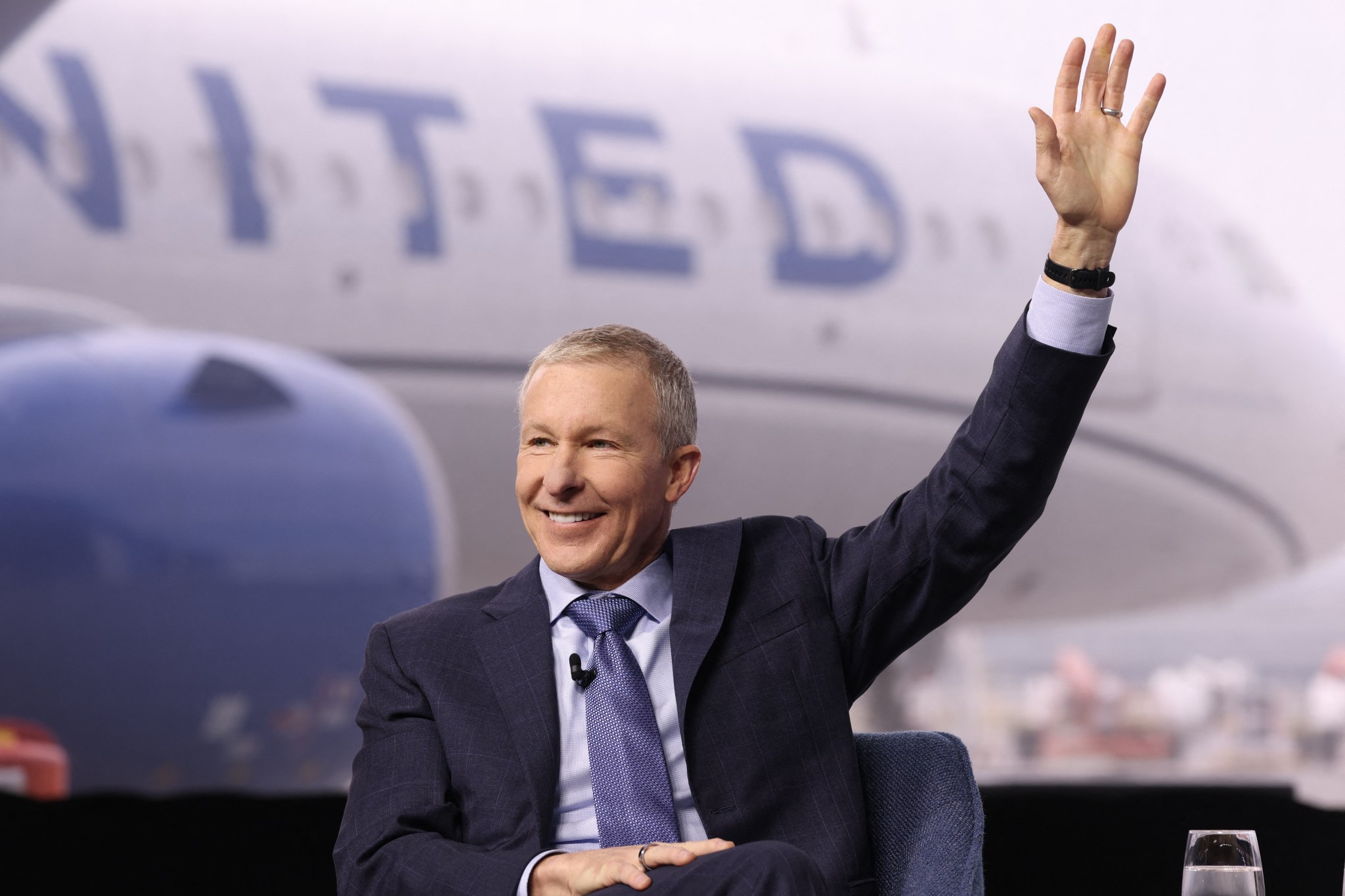
United Airlines CEO Scott Kirby has recently proposed a massive merger with American Airlines, a move that would create the largest carrier in the world. This potential deal was discussed during a White House meeting with President Trump, who is known for his interest in large-scale business agreements. If the merger goes through, the new company would be twice the size of its closest competitors, significantly changing the way people fly in the United States and abroad. This development comes as rising fuel costs and heavy debt put pressure on the airline industry.
Main Impact
The most significant impact of this merger would be the creation of a dominant force in the aviation industry. A combined United and American Airlines would control a huge portion of the domestic market, holding a massive lead over rivals like Delta and Southwest. For travelers, this could mean fewer choices and potentially higher ticket prices in cities where the two airlines currently compete. However, supporters argue that a larger U.S. airline would be better equipped to compete with international carriers that receive financial help from their own governments.
Key Details
What Happened
The idea for the merger came to light following a meeting at the White House on February 25, 2026. While the official reason for the meeting was to discuss a $500 million project at Dulles International Airport, United CEO Scott Kirby used the opportunity to pitch the merger to President Trump. Kirby suggested that a "super-carrier" would help the United States reduce its trade deficit and compete more effectively on the global stage. While the White House has not officially taken a side, the administration’s general support for big business deals has kept the conversation alive.
Important Numbers and Facts
The financial differences between the two airlines are stark. In 2025, United Airlines reported a profit of $3.5 billion. In contrast, American Airlines earned only $111 million, despite having $55 billion in total sales. American is also carrying $37 billion in debt, making it vulnerable to economic shifts. Additionally, the price of jet fuel has recently doubled, jumping from $100 to nearly $200 per barrel due to conflict in the Middle East. This spike in costs often forces struggling airlines to look for buyers or partners to stay in business.
Background and Context
Over the last twenty years, the U.S. airline industry has changed significantly. What used to be a group of nine major airlines has shrunk down to just four: American, United, Delta, and Southwest. These four companies now control about 80% of all flights in the country. Historically, when fuel prices go up, airlines tend to merge to save money and stay profitable. Because American Airlines is currently in a weak financial position compared to United, many experts believe it is a prime candidate for a takeover, even if the deal seems too big to be allowed.
Public or Industry Reaction
The reaction to the proposal has been mixed. Transportation Secretary Sean Duffy mentioned that the President "loves big deals," which suggests the government might be more open to this merger than previous administrations. However, there is also strong opposition. State officials worry that a merger would lead to fewer flights and higher costs for their residents. Labor unions may also resist the move, as combining two massive workforces and deciding which pilots or flight attendants have more seniority is a very difficult and often controversial process.
What This Means Going Forward
For the merger to happen, the airlines would likely have to follow strict rules from the Department of Justice. This might include giving up "slots" and "gates" at major airports to allow smaller, low-cost airlines to compete. If United has to give up too many of its most profitable routes to get the deal approved, the merger might no longer make financial sense. Additionally, investors like Carl Icahn are watching the industry closely. If the United-American deal fails, other smaller airlines like JetBlue might become the next targets for a sale.
Final Take
While a merger between United and American Airlines faces many legal and financial hurdles, it is no longer considered impossible. The combination of a business-friendly White House and extreme pressure from rising fuel costs has created a unique moment for such a massive proposal. Whether it results in a new global giant or falls apart under regulatory pressure, the attempt itself shows how much the airline industry is struggling to adapt to a changing world.
Frequently Asked Questions
Why do United and American Airlines want to merge?
The main reasons are to save money on rising fuel costs and to create a massive company that can compete better with international airlines. United is financially strong, while American has a lot of debt, making a partnership potentially beneficial for both.
Will a merger make flight tickets more expensive?
Many experts believe that when two major competitors join together, there is less pressure to keep prices low. If one company dominates an airport, they have more power to set higher fares for passengers.
Is the government likely to approve the deal?
The current administration has shown a preference for large business deals and less regulation. However, the Department of Justice would still look closely at whether the merger creates a monopoly that hurts consumers.



