Summary
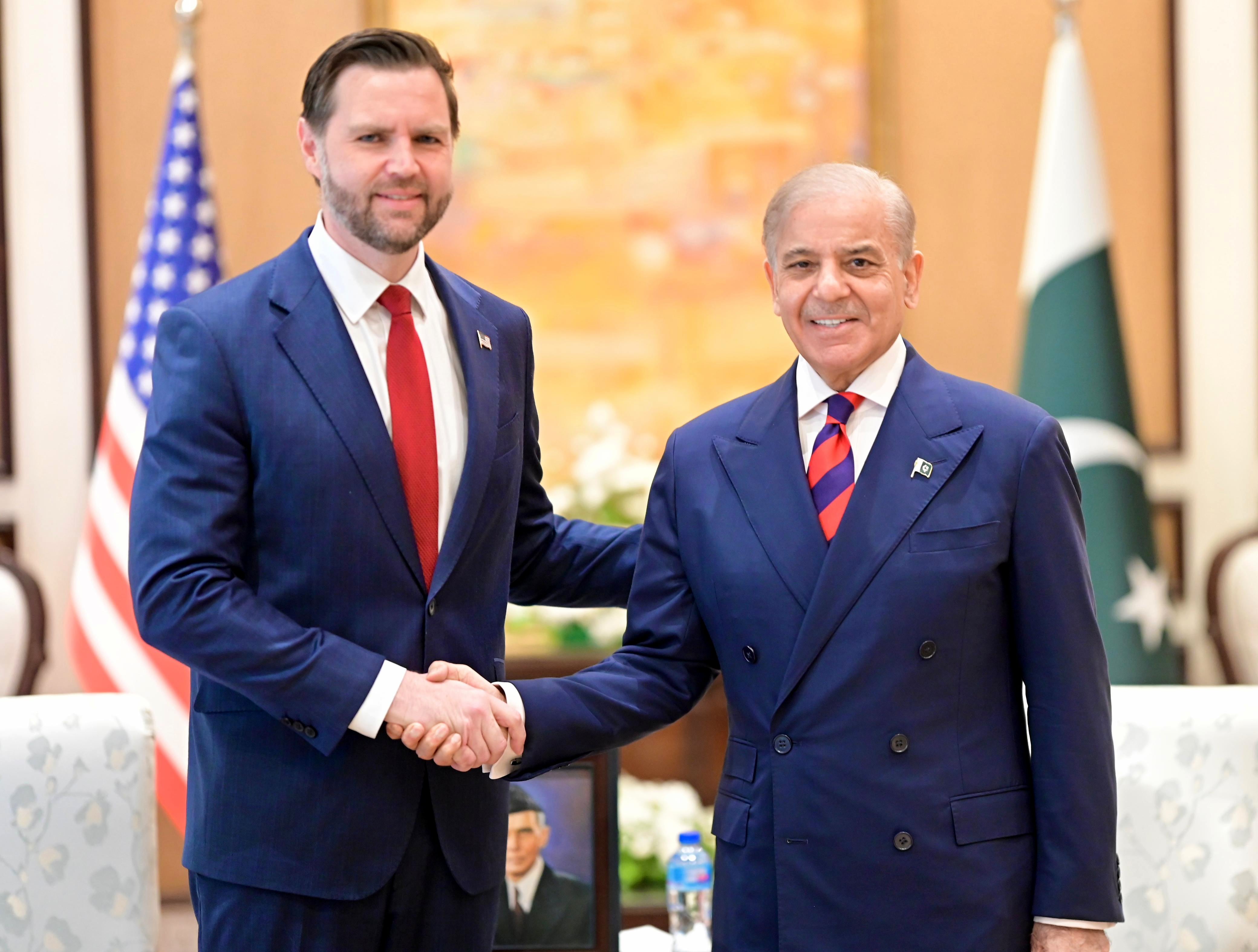
High-level officials from the United States and Iran are currently meeting in Islamabad, Pakistan, to discuss ending the ongoing conflict in the Middle East. This meeting is a major historical event because it marks the first time the two nations have held direct, face-to-face talks since 1979. While both sides are looking for a way to stop the violence, a major disagreement remains over the control and safety of the Strait of Hormuz. Despite these peace talks, military actions continue in the region, including new strikes in Lebanon and the movement of U.S. warships through sensitive waters.
Main Impact
The most significant impact of these talks is the end of a decades-long diplomatic silence between Washington and Tehran. For over 40 years, the two countries have communicated mostly through other nations or indirect channels. By sitting in the same room, Vice President J.D. Vance and Iranian Parliament Speaker Mohamad Baqer Qalibaf are signaling a serious attempt to prevent the regional war from growing larger. However, the tension in the Strait of Hormuz shows that even if a ceasefire is reached, the struggle for control over global oil routes will remain a difficult challenge for both sides.
Key Details
What Happened
The negotiations began on Saturday afternoon in Islamabad. The Iranian state news agency, Tasnim, confirmed that the two delegations met directly to discuss terms for ending the war. This direct meeting was not guaranteed, and its occurrence was later confirmed by the office of the U.S. Vice President. While the leaders talked, the U.S. military took action in the Persian Gulf. Two American warships sailed through the Strait of Hormuz to begin a mission to remove underwater mines. This is the first time U.S. naval ships have entered this area since the current war began.
Important Numbers and Facts
- 1979: The last year the U.S. and Iran held direct, formal negotiations before this week.
- 13 People: The number of individuals reported killed in recent Israeli attacks in southern Lebanon.
- 2 Warships: The number of U.S. naval vessels currently working to clear mines in the Strait of Hormuz.
- Islamabad: The neutral location chosen for these high-stakes diplomatic sessions.
Background and Context
To understand why these talks are so important, it is helpful to look at the history between the two countries. Relations between the U.S. and Iran broke down in 1979 after the Iranian Revolution. Since then, the two nations have often been on opposite sides of conflicts in the Middle East. The Strait of Hormuz is a very narrow path of water that connects the Persian Gulf to the rest of the world. It is one of the most important places on Earth for the oil industry. About one-fifth of the world's oil passes through this small area. Because it is so narrow, any country that controls it can easily block oil ships, which would cause gas prices to rise all over the world. Iran has often threatened to close the Strait during times of tension, while the U.S. insists on keeping it open for international trade.
Public or Industry Reaction
The news of a direct meeting has surprised many global observers. For years, experts believed that the two countries were too far apart to speak directly. The White House has been careful in its public statements, but officials confirmed that the meeting was a "direct encounter," which suggests a higher level of trust than in previous years. Meanwhile, the shipping and oil industries are watching the situation in the Strait of Hormuz very closely. The presence of U.S. ships clearing mines is seen as a positive step for trade, but the ongoing disagreement over who should manage the waterway keeps the markets nervous. In Lebanon, the reaction is more somber, as local residents continue to face violence despite the talk of peace in Pakistan.
What This Means Going Forward
The talks are not over yet. Another session is scheduled to take place soon to address the remaining problems. The biggest hurdle is finding a compromise on the Strait of Hormuz. Iran wants to ensure its security and influence in its own backyard, while the U.S. wants to guarantee that oil can flow freely without the threat of mines or attacks. If these talks succeed, it could lead to a broader ceasefire that includes other groups and countries in the region. However, if the two sides cannot agree on the Strait, the risk of the war starting again remains high. The situation in Lebanon also shows that a deal between the U.S. and Iran might not immediately stop all the fighting on the ground, especially involving Israel.
Final Take
This meeting in Islamabad is a historic turning point that few expected to see so soon. While the direct conversation between J.D. Vance and Mohamad Baqer Qalibaf is a major step toward peace, the physical reality of mines in the water and missiles in Lebanon shows how difficult the path ahead will be. The world is waiting to see if diplomacy can finally replace decades of anger.
Frequently Asked Questions
Why is the Strait of Hormuz so important?
The Strait of Hormuz is a vital shipping lane for the global oil supply. Because a large portion of the world's oil travels through this narrow waterway, any conflict there can cause global energy prices to spike and disrupt the world economy.
Why is this meeting considered historic?
This is the first time since the 1979 Iranian Revolution that high-ranking officials from the United States and Iran have met face-to-face for direct negotiations. For over 40 years, the two countries have avoided direct diplomatic contact.
Is the war in the Middle East over now?
No, the war is not over. While the U.S. and Iran are talking about a ceasefire, fighting is still happening in places like southern Lebanon, and many difficult issues regarding borders and security still need to be resolved.