Summary
Hungarians are heading to the polls to decide the future of their country in a high-stakes election. After 16 years of leadership under Prime Minister Viktor Orbán, a strong new challenger has emerged to contest his power. Péter Magyar, a former government insider, is leading a grassroots movement that has gained massive support in a short amount of time. This vote is seen as a turning point that could either keep the current government in place or start a completely new chapter for the nation.
Main Impact
The result of this election will have a major effect on both Hungary and the rest of Europe. For over a decade, Viktor Orbán has moved the country toward a style of government he calls "illiberal democracy," which has often put him at odds with the European Union. If Péter Magyar wins, it could mean a return to more traditional democratic values and better relationships with Western allies. A change in leadership would also signal that the public is tired of long-term rule and wants more transparency in how the country is run.
Key Details
What Happened
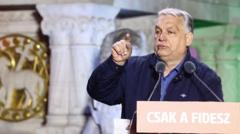
The political situation in Hungary changed quickly over the last few months. While Viktor Orbán has easily won previous elections, this time he faces a rival who knows the inner workings of his own system. Péter Magyar was once part of the political establishment but broke away to form the Tisza party. He has used social media and large public rallies to reach voters who feel the current government has been in power for too long. On the other side, Orbán has remained defiant, telling his supporters that only he can protect the country from outside pressure and economic problems.
Important Numbers and Facts
Viktor Orbán has served as Prime Minister since 2010, marking 16 years of continuous rule. During this time, his party, Fidesz, has held a strong majority in parliament. However, recent polls show a shift in public opinion. Many surveys now put Péter Magyar’s party in a leading position or in a very close race with the government. Economic issues have played a big role in this shift, as Hungary has faced high prices and slow growth over the past year. Thousands of people have attended protests and rallies in the capital city, showing a level of political energy that has not been seen in the country for a long time.
Background and Context
To understand why this election is so important, it helps to look at how Hungary has changed since 2010. Viktor Orbán has spent years changing laws, the court system, and the media to strengthen his hold on power. His supporters say he has brought stability and protected Hungarian culture. His critics, however, argue that he has weakened democracy and allowed corruption to grow. Péter Magyar became a household name when he began releasing information about how the government operates behind closed doors. Because he was once an insider, his claims carried a lot of weight with the public, helping him build a large following very quickly.
Public or Industry Reaction
The reaction from the public has been divided but intense. In rural areas, many people still see Orbán as a strong leader who looks out for the common person. In larger cities, there is a clear sense of excitement about the possibility of change. Young voters, in particular, seem drawn to Magyar’s message of starting fresh. International observers are also watching closely. Leaders in the European Union have had many disagreements with Orbán over the years regarding the rule of law. A new government could lead to the release of billions of euros in EU funds that have been frozen due to concerns about the current government’s policies.
What This Means Going Forward
If the polls are correct and a change occurs, the next few months will be a period of transition. A new government would need to review many of the laws passed over the last 16 years. There would also be a focus on fixing the economy and lowering the cost of living for families. If Orbán manages to stay in power, he will likely see it as a sign that the people still support his vision, which could lead to even stricter policies. Regardless of who wins, the country remains deeply split, and the new leader will have to find a way to bring people together after a very tense campaign season.
Final Take
Hungary is at a crossroads where the choice is between a long-standing leader and a newcomer promising total reform. This election shows that even after 16 years of one-party dominance, the political mood can shift rapidly when a credible alternative appears. The outcome will not only decide who sits in the Prime Minister’s office but will also define Hungary’s identity on the global stage for years to come. Voters are now deciding if they want to stick with the path they know or take a chance on a different future.
Frequently Asked Questions
Who is Péter Magyar?
Péter Magyar is a former government official who turned against the ruling party to lead a new political movement called the Tisza party. He has become the main challenger to Viktor Orbán.
How long has Viktor Orbán been in power?
Viktor Orbán has been the Prime Minister of Hungary since 2010, meaning he has led the country for 16 consecutive years.
What are the main issues in this election?
The main issues include the state of the economy, government corruption, and Hungary's relationship with the European Union. Many voters are also focused on whether it is time for a change after so many years of the same leadership.