Summary
Tensions in the Middle East have spiked following two separate attacks on cargo ships in the Strait of Hormuz. These incidents occurred on Wednesday, shortly after the United States announced an extension of a ceasefire with Iran. The attacks involve Iranian military forces and have raised serious concerns about the safety of international shipping routes. While diplomatic talks are supposed to be ongoing, these violent actions suggest that the situation remains highly unstable.
Main Impact
The primary impact of these attacks is the immediate threat to global trade and the fragile peace process. The Strait of Hormuz is one of the most important water passages in the world for oil and goods. Any violence here causes shipping companies to worry, which can lead to higher insurance costs and more expensive prices for consumers worldwide. Furthermore, the timing of the attacks undermines the ceasefire extension announced by President Donald Trump. It shows a clear disconnect between diplomatic efforts and the actions taking place on the water.
Key Details
What Happened
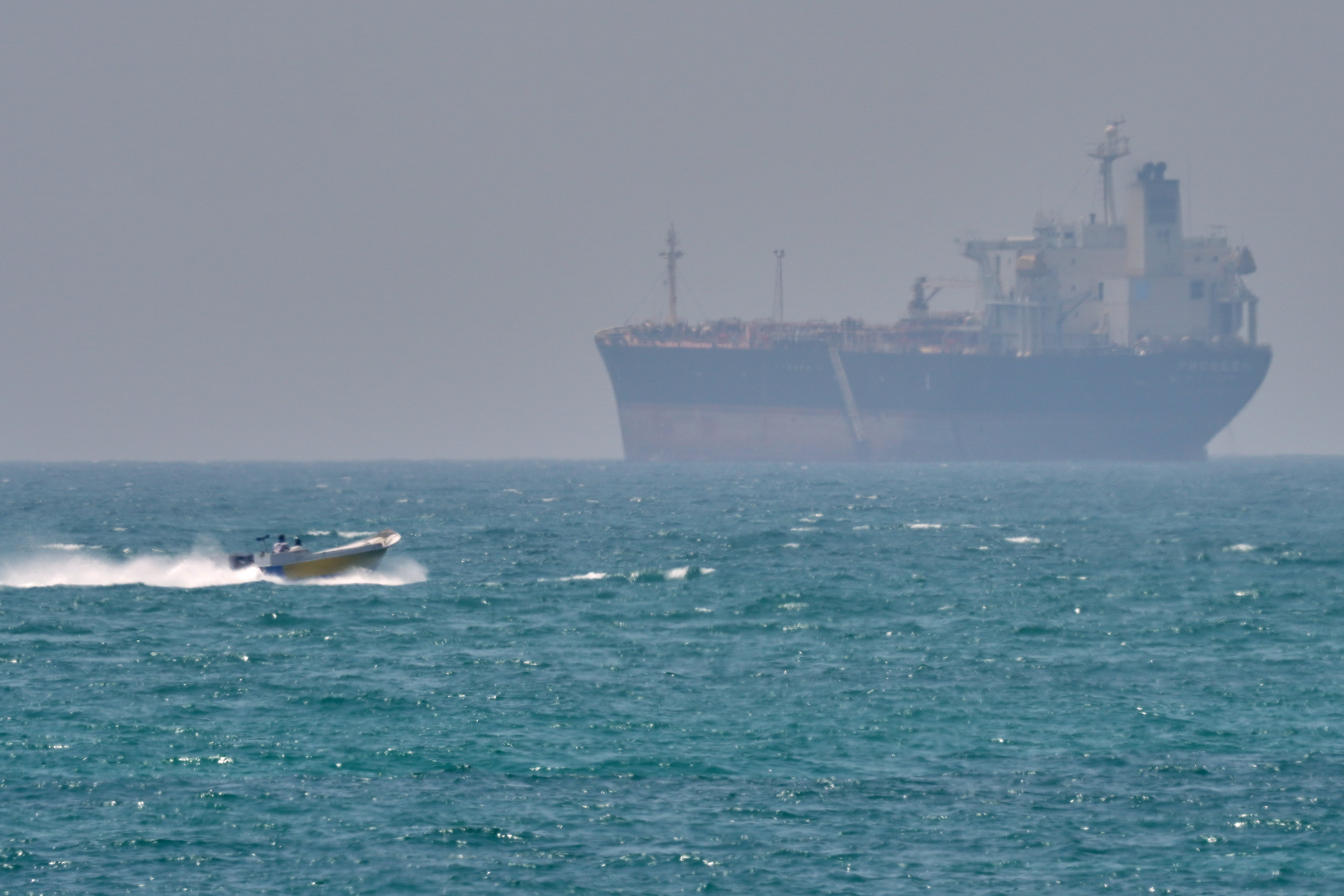
According to reports from the United Kingdom Maritime Trade Operations (UKMTO), a boat belonging to the Iranian Revolutionary Guard fired at a large container ship. This first incident took place about 15 nautical miles northeast of Oman. Shortly after, a second incident was reported only 8 nautical miles off the coast of Iran. In the second case, shots were also fired, though the specific group responsible was not immediately named. These events happened just hours after a pause in fighting was supposed to be in effect.
Important Numbers and Facts
The attacks occurred on April 22, 2026. The first ship was targeted 15 nautical miles from Oman, while the second was roughly 15 kilometers (8 nautical miles) from the Iranian shore. These locations are critical because they sit at the entrance of the Persian Gulf. President Trump had recently used his social media platform, Truth Social, to announce that the U.S. would extend the truce. He stated that the ceasefire would stay in place until Iran presents a formal proposal for a long-term deal. However, he also confirmed that the U.S. Navy would continue its blockade of the area to maintain pressure during negotiations.
Background and Context
The conflict between the United States, Israel, and Iran has been growing for a long time. The Strait of Hormuz is a narrow point where a large portion of the world's oil passes through every day. Because it is so narrow, it is easy for military boats to harass or block larger ships. Recently, the U.S. and its allies have been using a naval blockade to stop certain goods from reaching Iran. This blockade is a major point of anger for the Iranian government. The current ceasefire was meant to give both sides time to talk and avoid a full-scale war, but the presence of military ships from both sides makes the area a powder keg.
Public or Industry Reaction
The Iranian Revolutionary Guard has taken a firm stance following the incidents. Through the Mehr news agency, they stated they are fully prepared to fight back against any perceived aggression. They warned that they could strike "enemy assets" with great force if the conflict starts again. On the other side, maritime authorities are advising all ships in the region to be extremely careful. Shipping industry experts are worried that if these attacks continue, the ceasefire will be canceled entirely. There is a general feeling of doubt about whether a peaceful deal can be reached while weapons are still being fired.
What This Means Going Forward
The next few days will be critical for the future of the region. If the U.S. views these attacks as a direct violation of the ceasefire, they may choose to restart military operations. This would end the hopes for a negotiated peace deal. Iran’s decision to fire on ships despite the truce suggests they may be trying to show strength or force the U.S. to end the naval blockade. For the rest of the world, this means the risk of higher energy prices and a potential expansion of the war remains very high. Diplomats will have to work quickly to stop the violence before it turns into a larger battle.
Final Take
The attacks in the Strait of Hormuz prove that a ceasefire on paper does not always mean peace on the water. With both the U.S. blockade and Iranian military boats active in the same small area, the risk of a mistake or a deliberate provocation is constant. True stability will likely remain out of reach as long as both sides use military force to influence political talks.
Frequently Asked Questions
Why is the Strait of Hormuz so important?
It is a narrow waterway that connects the Persian Gulf with the rest of the world. A huge amount of the world's oil and natural gas is moved through this area, making it vital for the global economy.
What is a naval blockade?
A naval blockade is when a country uses its warships to stop ships from entering or leaving a specific area. In this case, the U.S. is using it to control what goes in and out of Iran to put pressure on their government.
Is the ceasefire still in effect?
Technically, the ceasefire extension announced by the U.S. is still active, but these recent attacks have put it in great danger. If the violence continues, the truce could be officially canceled by either side.